BMW Sensors
Sensors for BMW. Compare prices, check fitment, find the right part for your build.
Affiliate disclosure. BimmerTalk is a proud partner of the Amazon Associates Program and Turner Motorsport. We may earn a small commission on qualifying purchases through our links, at no extra cost to you. Read the full disclosure.


Bosch 17272 OE Oxygen Sensor for BMW 228i 320i 328i Series
the Bosch
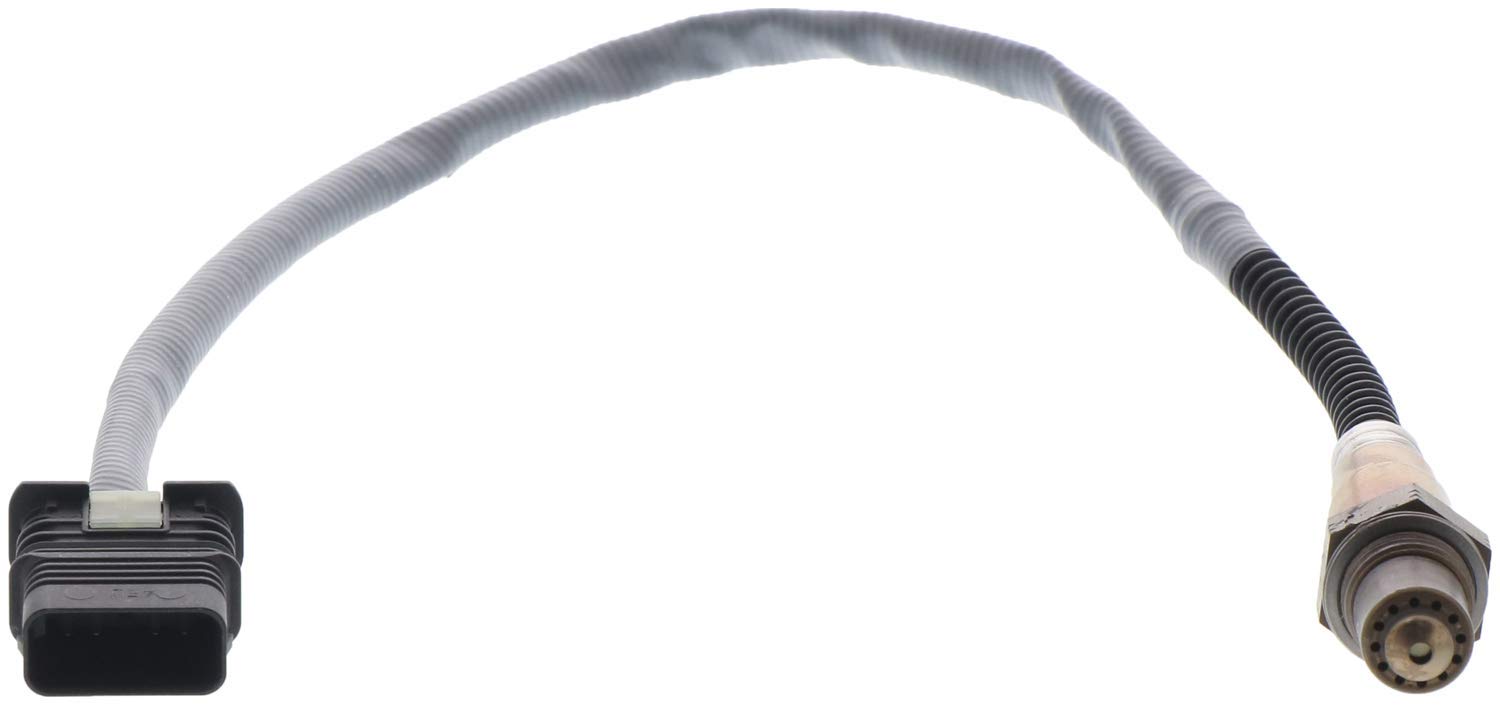
Bosch Premium OE Oxygen Sensor for BMW 228i 320i 328i
the Bosch

Bosch 13477 OE Oxygen Sensor for BMW 320i 323 325 328 Series
the Bosch

ENA Mass Air Flow Sensor for BMW 320i 328i X1 M3 - 2.0L
the ENA

A-Premium 5-Pin MAF Sensor for BMW 328i 528i X3 X5 - 3.0L
the A-Premium

A-Premium 3-Pin MAF Sensor Assembly for BMW 323i 328i 528i
the A-Premium

Jaronx Compatible with BMW Parking Brake Auto Hold Button 5‘ F10/6’ F12/7' F01/X3 F25/X4 F26/X5 F15/X6 F16, E-Brake AUTO
Jaronx

1 Pack for BMW Parking Brake Auto Hold Switch Button Replacement for BMW X3 F25/X4 F26/X5 F15/X6 F16/5' F10/6' F12/7' F0
Erivis
BMW Sensors - O2, MAF, MAP, Camshaft, Crankshaft, Coolant, Oil Level
BMW's DME relies on a sensor network that is more extensive than most platforms. The turbocharged engines like the N54 and B58 add boost pressure sensors, charge temperature sensors, and HPFP pressure inputs that naturally aspirated engines don't require. Understanding which sensor does what speeds up diagnosis enormously when a fault code appears.
O2 Sensors - Upstream and Downstream
BMW uses wideband O2 sensors upstream (pre-cat) and narrowband sensors downstream (post-cat) on most platforms. The wideband sensors measure actual air-fuel ratio and feed the DME for closed-loop fueling control. The narrowband downstream sensors monitor catalyst efficiency. On the N54 with its twin turbos, there are upstream sensors in each turbo outlet - both must be functioning correctly for proper AFR control. Bosch is the OEM supplier; aftermarket O2 sensors often have incorrect wiring or response time characteristics that cause ongoing faults even after replacement.
MAF and MAP
The MAF (Mass Airflow Sensor) on naturally aspirated BMW engines is mounted in the intake duct after the air filter. It measures air mass entering the engine using a hot-wire element. Contamination from oiled performance air filters is a common failure cause - the oil coats the sensing element and causes rich mixture faults. Clean with MAF cleaner before condemning the sensor.
Turbocharged BMW engines often rely more heavily on MAP (Manifold Absolute Pressure) sensors than MAF for boost management. The N54 has a MAP sensor in the charge pipe after the intercooler. The location makes it vulnerable to boost leaks - a split charge pipe causes the MAP to read low boost and the DME throws a fault. Replace the OEM plastic charge pipes on the N54 with aftermarket aluminum if you haven't already - it's a known failure point that the MAP sensor will report before you see the split.
Camshaft and Crankshaft Position Sensors
Camshaft and crankshaft position sensors provide the timing reference the DME needs for ignition and injection timing. Failure produces hard no-starts or severe misfires depending on which sensor fails. On the N52, the camshaft position sensors sit in the valve cover - accessible from above. On the N54, there are four camshaft sensors (intake and exhaust, left and right bank on the VANOS system) plus the crankshaft sensor at the bottom of the engine block. A failing crankshaft sensor on the N54 often produces intermittent stumble at idle before complete failure.
Coolant Temperature and Oil Level
The coolant temperature sensor on the N52 and N54 sits in the thermostat housing - a common replacement item given the thermostat housing failure rate on these engines (often done together as an assembly). An incorrect coolant temp reading produces poor fuel economy and cold-start enrichment issues. The Foxwell scanner shows live coolant temp data to verify sensor output against actual engine state.
BMW uses an oil level sensor rather than a conventional dipstick on most F and G chassis cars. The sensor sits in the oil pan and measures level capacitively. It also measures oil temperature and condition. When the oil level sensor fails (common on N54 around 80,000 miles), the instrument cluster shows a false oil pressure or level warning. Confirm with a manual level check via the sensor port or by monitoring the correct behavior with ISTA live data before replacing expensive components based on a potentially faulty sensor input.
Sensors guides
Expert picks and how-tos for BMW sensors.
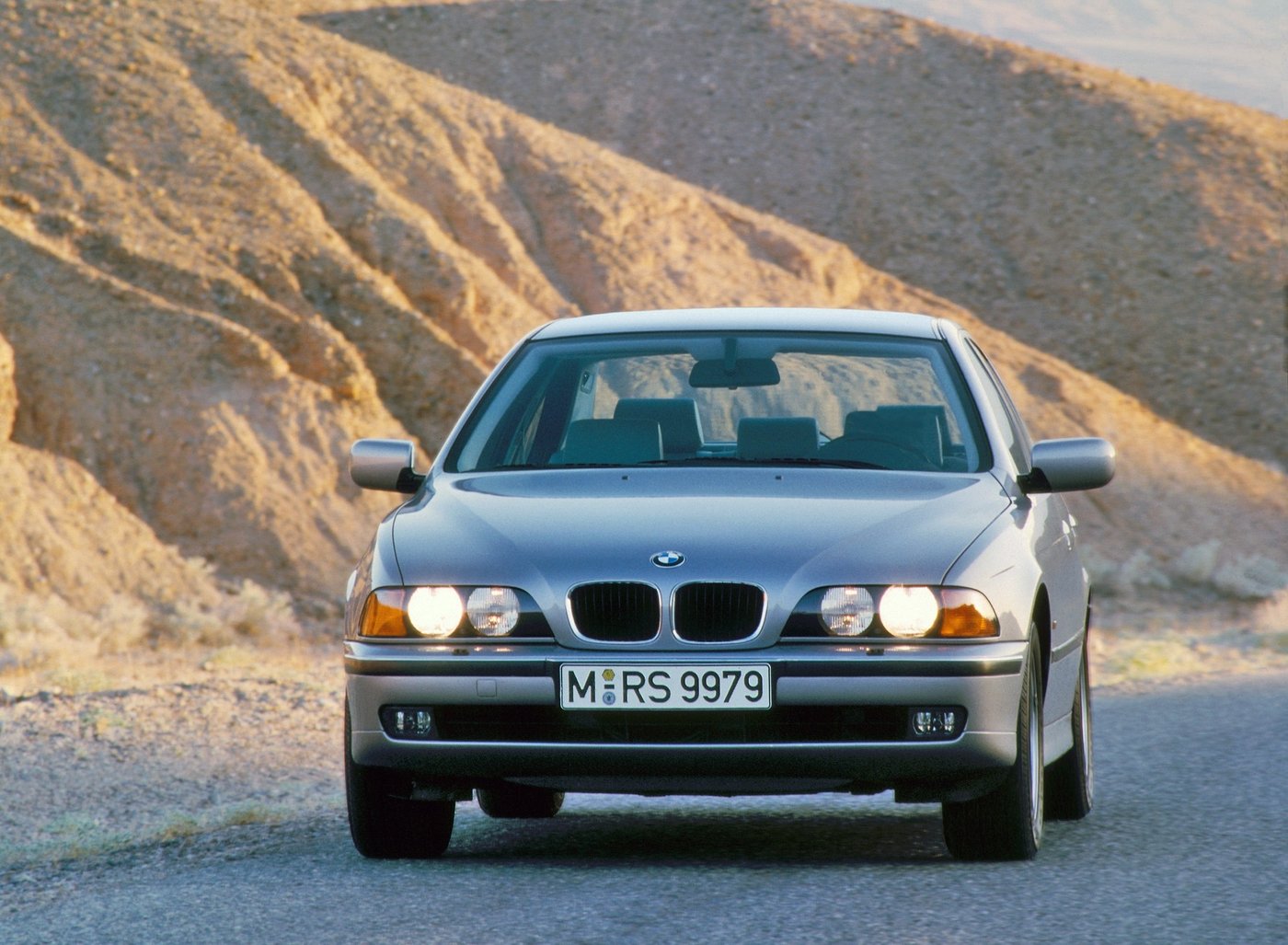

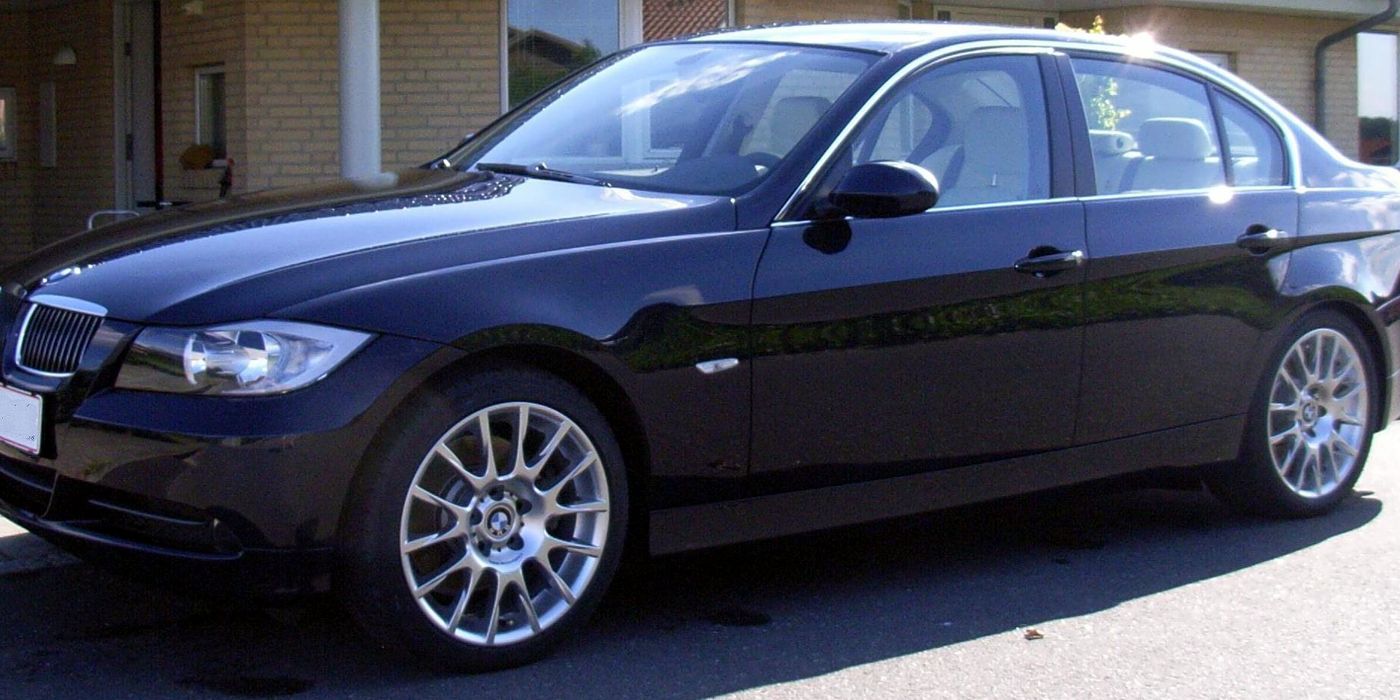
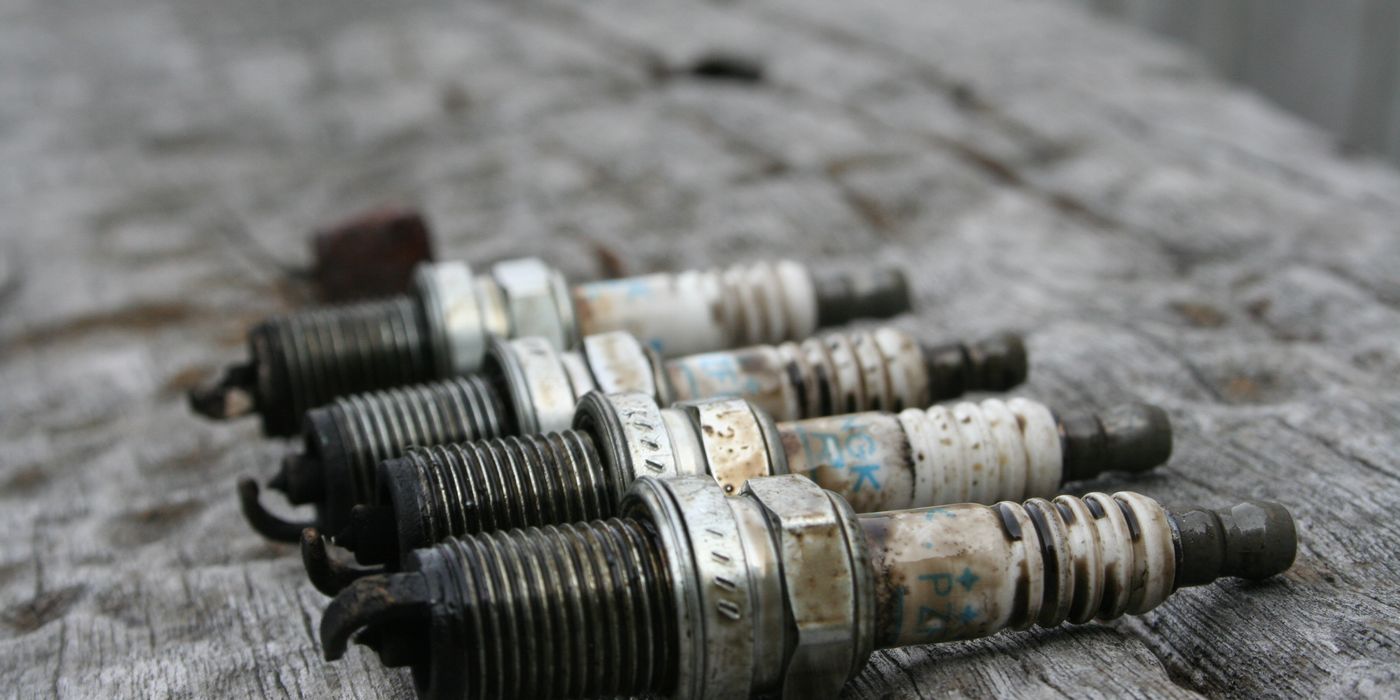
Find parts by BMW chassis
Decoder pages with engine specs, common problems, and market range per chassis.