BMW Automatic Transmission Fluid Guide - ZF 8HP Service
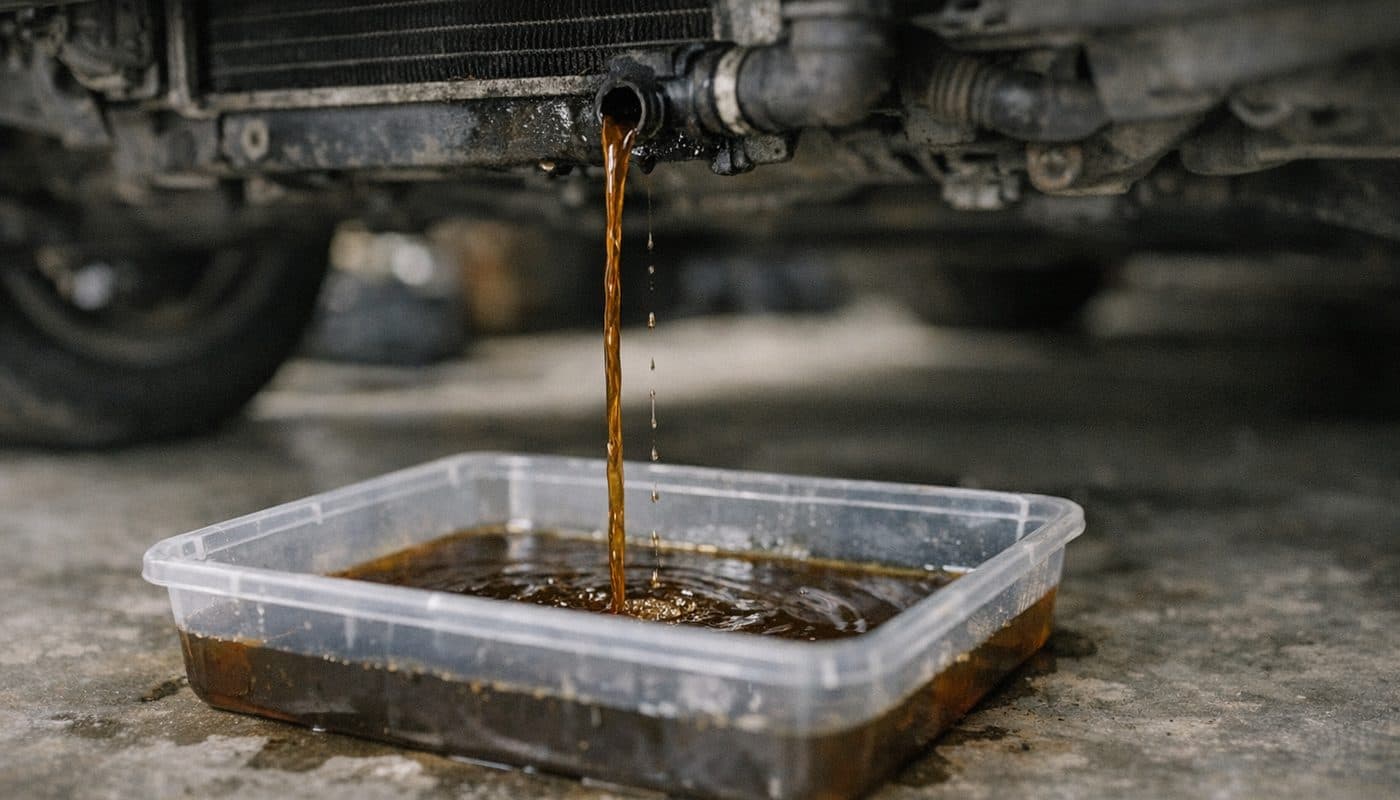
The G20 330i sitting in my driveway right now came to me with 72,000 miles on the clock, one previous owner, and a folder full of dealer service receipts. Every oil change, every brake service, every microfiber towel they used to wipe the steering wheel was logged. What was not logged, anywhere, on any receipt, in any line of the Condition Based Service printout, was a single transmission fluid change. The previous owner asked the dealer about it twice and got the same answer both times. "It is sealed for life. There is no service interval." I bought the car on a Friday. I dropped the pan that Sunday. The fluid that came out was the color of cold espresso.
That fluid was the original 2017 fill. It had spent six years and 72,000 miles cooking inside the bell housing, holding hydraulic pressure for eight clutch packs, lubricating a planetary gearset that shifts in under 200 milliseconds, and slowly losing every additive that gave it a chance of doing its job. ZF Friedrichshafen, the company that actually designed and built that transmission, recommends servicing the fluid at 80,000 km (about 50,000 miles). BMW, the company that bolted the transmission into the car and sold it to the customer, removed the fluid service from the maintenance schedule in 2009 and started calling it "lifetime fill." Those two statements cannot both be right. They are not both right. ZF is right. BMW is doing marketing.
I worked the BMW and MINI marketing role for a year before I went indie. I know the script the writers use because I ran the script. I know exactly why the dealer told the previous owner of my car that the fluid was sealed for life, and I know exactly what it costs the customer when that lie catches up to them. The number on the bottom of a mechatronic rebuild quote is somewhere between $2,500 and $4,500. The number on the bottom of a fluid service done at the right interval is closer to $250. This guide is the version of the conversation I wish every BMW owner could have with their dealer before signing the receipt.

Lifetime Fluid
BMW Says
80,000 km
ZF Says
$200-300
DIY Cost
$700-1100
Dealer Cost
$2500-4500
Mechatronic Rebuild if Skipped
If you are scanning to confirm the basics before you commit to the job, here is the picture. Every BMW automatic from 2009 onward is a ZF 8HP. They all take ZF Lifeguard 8 fluid. They all have an integrated pan filter that gets replaced as one unit. They all set fluid level by transmission temperature, not by dipstick (there is no dipstick). The smart cadence is a full pan service at 60,000 to 80,000 miles, with an optional drain-and-fill in between. The rest of this guide is the long version.
| Variant | Engines | Cars | Capacity |
|---|---|---|---|
| 8HP45 | 2.0L 4-cyl | 320i 328i 428i X3 28i | 7L |
| 8HP50 | 3.0L 6-cyl | 335i 435i M340i 540i X5 40i M2 | 7-9L |
| 8HP70 | V8 / M | M3 G80 M5 F90 X5M X6M M8 | 9-10L |
| 8HP76 | Heavy duty | G05 M50i larger | 9-10L |
The lifetime fluid myth - exactly how BMW gets away with this
Let us start with the language. The phrase "lifetime fill" is not a lie in the technical sense, because BMW gets to define "lifetime" however it wants. Internally, when you read BMW's own service literature, lifetime is roughly the warranty period plus a goodwill window. That is somewhere around 100,000 miles or 8 years, whichever happens first. After that point the transmission is not BMW's problem anymore. It is yours. And BMW has zero financial incentive to keep maintaining a component they will not have to warranty.
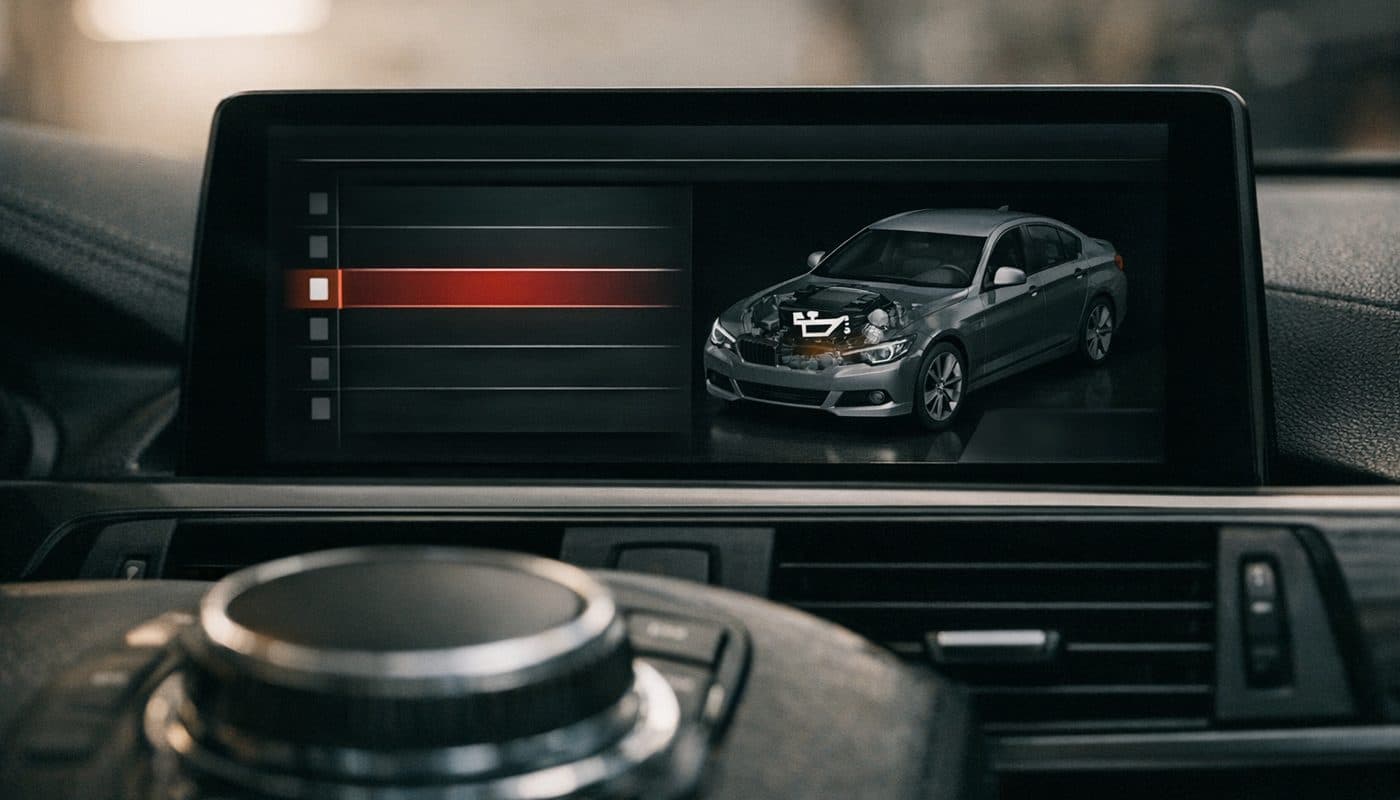
BMW removed the transmission fluid service from the customer-facing maintenance schedule starting in the 2009 model year. That timing is not a coincidence. The 8HP launched on BMW vehicles in late 2008 (early adoption on the F01 7 Series). By 2010 it was rolled across most of the lineup. Removing the service line lets BMW advertise a lower five-year cost of ownership than competitors who still print a transmission service interval on the schedule. It also simplifies the dealer service menu. The CBS (Condition Based Service) display on your iDrive shows engine oil, brake fluid, and microfilter intervals. It does not show transmission fluid. It cannot show transmission fluid, because there is no item in the database to surface.
So when you call your local BMW dealer and ask for a transmission fluid change, the service writer pulls up your VIN, looks at the maintenance schedule, sees nothing listed, and tells you the truth as their system shows it. "There is no service interval." Some dealers stop there. Others go further and tell you the transmission is sealed for life. That second statement is the one that costs people money. It is not a sealed unit. It has a drain plug, a fill plug, and a bolted-on pan with an integrated filter. ZF's own technical bulletin SD92-114 walks through the service procedure step by step. The procedure exists. BMW's TIS system has it documented. It is just not in the customer-facing CBS menu.
The reason this matters is what happens between mile 60,000 and mile 120,000 on the original fluid. The eight clutch packs in the 8HP are friction-locked using a fluid that contains a precisely calibrated friction modifier package. As that fluid ages, the friction modifier breaks down, the detergent additives get used up, and microscopic clutch material starts shedding into the fluid. The shed material glazes the clutch surfaces (which is permanent), circulates through the valve body (which scores the EDS solenoid bores, also permanent), and eventually starts showing up as hard shifts, slip, hesitation, and intermittent limp mode warnings. By the time you feel the symptom, the damage is done. The fluid service at 60k was the fix. The fluid service at 120k is just slowing the cascade.
I have read enough customer reports and pulled my own ZF pans to know exactly how this story ends. The cars that come in at 130,000 miles with shudder on torque converter lockup do not get fixed by fresh fluid. They get worse more slowly. The cars that come in at 60,000 miles for a fluid service drive away feeling like new and do another 60,000 miles without complaint. BMW's "lifetime fill" language is the difference between those two outcomes.
ZF 8HP family explained - which transmission is in your BMW
If your BMW is a 2009 or newer automatic, it is a ZF 8HP. There are no exceptions on a passenger car (the manuals and the DCT M cars are the only outs). The naming convention is straightforward once you decode it. 8HP means 8-speed, high-performance, planetary. The number after that (45, 50, 70, 75, 76) is the torque rating in daNm. So an 8HP45 is rated to 450 Nm of input torque, an 8HP70 is rated to 700 Nm, and the 8HP76 is the heavy-duty version rated for the M cars and the bigger SUVs.
8HP45 - the 4-cylinder workhorse
The 8HP45 is what sits behind the B46/B48 4-cylinder turbo and most of the older N20 cars. F30 320i, F30 328i, F32 428i, F22 228i, F25 X3 28i, and a handful of others. Pan capacity is around 7 liters total fluid. The pan is the smaller version of the 8HP family. Service kit part numbers in the 24117613253 / 24118612901 range depending on year. This is the most common 8HP variant on the road in the US.
8HP50 - second generation 4-cylinder and the small 6-cylinder
The 8HP50 launched in 2015 as the gen-2 update of the 8HP45 with a higher torque rating and updated valve body. Same pan, same procedure, same fluid. You see this behind later B48 and the smaller B58 applications. The capacity sits in the 7 to 9 liter range depending on the chassis.
8HP70 / 8HP75 - the inline-six and V8 cars
If you have a 335i, 435i, M340i, 540i, X5 40i, X5 50i, F87 M2 (N55-era), or any of the V8 5 and 7 Series, you have an 8HP70 or its second-generation 8HP75 cousin. Larger case, larger pan, around 9 to 10 liters total fluid capacity. The 8HP75 brought a higher torque rating and updated electronics for the G-chassis cars from roughly 2017 onward. Service procedure is identical to the smaller variants but you will use a couple more liters of fluid and the pan bolts are slightly different.
8HP76 - the M cars and heavy-duty SUVs
The G80 M3, G82 M4, G87 M2 (S58), F90 M5, F95 X5M, F96 X6M, and F92 M8 all run the 8HP76. This is the heavy-duty, high-rate version with reinforced clutch packs and a higher line pressure tune. Pan capacity is similar to the 8HP70 (around 9 to 10 liters). Fluid spec is still ZF Lifeguard 8. If your M car came with the 8HP76 instead of the older DCT, you have a transmission that desperately wants regular fluid service. The launch control function and the higher line pressure mean fluid degradation accelerates compared to a stock daily driver.
Across all four variants the takeaway is the same. Same fluid. Same procedure. Same critical service interval. The pan and filter part numbers differ slightly, but the workflow on the lift is identical. If you can do an 8HP45 service on an F30 328i, you can do an 8HP70 service on a G80 M3.
ZF Lifeguard 8 fluid spec - what makes it different
ZF Lifeguard Fluid 8 is not a generic ATF. It is a specifically formulated synthetic transmission fluid with a friction modifier package matched to the friction material in the 8HP clutch packs. That matching is the part that almost nobody outside of the engineering room talks about, and it is the part that destroys transmissions when people get it wrong.
The eight clutch packs in the 8HP are calibrated to a specific friction coefficient. The clutch material has a known coefficient when bathed in Lifeguard 8. The TCU pressure curves, the shift overlap timing, and the line pressure ramp are all tuned around that exact friction relationship. Drop in a fluid with a different friction modifier package (Dexron VI being the most common offender) and you change the friction coefficient. The TCU does not know that. It commands the same pressure for the same shift, but now the clutch is either gripping too hard (which feels like a hard, jerky shift) or too soft (which feels like slip and creates heat). Either way, you are damaging the clutch material every shift, and the damage is permanent.
The bottle you want has one of these part numbers on it:
- ZF S671090312 - the OEM 1-liter bottle from ZF directly
- BMW 83 22 2 152 426 - the BMW-branded 1-liter bottle (same fluid, BMW packaging)
- BMW 83 22 2 289 720 - the BMW-branded 5-liter jug
- BMW 83 22 2 305 397 - the revised SKU, same fluid
Fresh Lifeguard 8 is light green, almost a slightly milky pale green. By 60,000 miles in service it darkens to brown. By 100,000 miles it is black-brown and smells faintly burnt. That color shift is the easiest visual proof you can give a hesitant owner that "lifetime fluid" is marketing language. Pop the fill plug on a 100k car and the fluid that drips out will not look anything like the fluid in a fresh bottle.
Approved fluid alternatives
If you cannot get the OEM bottle, or you want to compare your options on price, there are a handful of fluids that genuinely meet both ZF TE-ML 11 and BMW ATF 3+. These are the ones I would actually put in my own car.
ZF Lifeguard Fluid 8 - the OEM, the obvious right answer
This is the fluid ZF puts in the transmission at the factory. This is the fluid BMW packages under their own part number and sells through dealer parts counters. This is the only fluid I will personally pour into an 8HP that is in my care. It is not the cheapest option per liter (around $25 to $32 per liter retail), but the cost difference between OEM and the cheapest "compatible" fluid is maybe $40 to $60 across a full pan service. On a $250 service that is a rounding error. Buy the OEM and remove the variable from the equation.

ZF LifeGuard Fluid 8 Automatic Transmission Fluid - 7 Liters
$130.07
TRIAX ATF 689 Full Synthetic - the budget alternative
If you cannot source the OEM bottle quickly (it does ship out of stock from time to time) or you are looking for a price-conscious option, TRIAX ATF 689 is the synthetic alternative that actually carries the right approval. Full synthetic base, friction modifier package matched to the ZF 8HP spec, and explicitly labeled for BMW F30, G20, X3, and X5 applications. Per-liter cost runs lower than the OEM bottle which makes the math friendly if you are doing both a drain-and-fill and a full pan service inside a year.

Triax ATF 689 - Full Synthetic ZF 8HP Transmission Fluid for BMW F30 G20 X3 X5
$54.99
Mobil ATF LT 71141
This was historically the BMW recommended fluid for the older 6-speed ZF (6HP) and it does carry the right approvals for the 8HP as well. ExxonMobil has been an OE blender for ZF in Europe for years. If you find this on a parts shelf at a real price, it is a legitimate option. The 8HP-era cars I have personally serviced have all run on Lifeguard 8 or the BMW relabel, but Mobil LT 71141 is on the approved list and I would not turn it down.
Pentosin ATF 1
Pentosin is one of the OE blenders for ZF in Europe. Pentosin ATF 1 is the version that carries both the ZF and BMW approvals. Easy to find at European-focused parts shops in the US. Slightly cheaper than the OEM bottle. Solid track record on customer cars I have inherited from indies who buy parts in bulk.
Liqui Moly TopTec ATF 1100
Liqui Moly is German, well-known, and TopTec 1100 is their answer to the 8HP fluid spec. Carries the right approvals. Slightly premium pricing compared to TRIAX or Pentosin but gives you that German-brand peace of mind that some buyers want. Performs identically to Lifeguard 8 in my experience.
Service intervals - the honest answer
Forget the BMW maintenance schedule for a minute. Forget the dealer's "sealed for life" line. Here is what actually happens to the fluid based on how the car is driven, and what I tell my friends and family to do.
For a stock daily driver in a mild climate with no towing, service the fluid at 60,000 to 80,000 miles. That is the conservative ZF interval extended to account for the fact that most modern driving is gentler than the worst-case ZF designed around. If you are cautious or you keep cars long, lean toward 60k. If you are confident and you live somewhere cool, you can stretch to 80k.
For a tracked car or a car that tows regularly, drop the interval to 30,000 to 40,000 miles. Track use puts the fluid through repeated thermal cycles that age it faster. Towing keeps the line pressure high and the fluid hot. Either condition cuts fluid life roughly in half.
For a tuned car (Stage 2 or higher, or anything pushing more than 450 Nm at the wheels), service every 40,000 to 50,000 miles. The xHP TCU flash, JB4 piggyback, or any tune that raises power output also raises the load on the clutch packs. Fresh fluid is part of the tune plan, not optional. More on this in the xHP section below.
For a hot-climate car (Phoenix, Houston, Vegas summer), knock 10,000 to 20,000 miles off whichever bracket you are in. Heat is the single biggest fluid killer. A car that lives where 110 deg F summers are normal will see fluid degrade noticeably faster than the same car in a cooler climate.
For a used car you just bought with no documented service history, do the service immediately regardless of mileage. You do not know what is in there. The fluid color and condition will tell you the story. If it comes out brown, you needed the service. If it comes out fresh green, the previous owner did the work and you have a record now.
For any car past 5 years old still on the original fluid, service by 60,000 miles regardless of mileage. Fluid degrades on a calendar too, not just a mileage clock. A car that sits a lot still ages its fluid because the additives oxidize over time.
DIY service procedure step by step
I do this on my own car and on customer cars about every other month. The job is two to three hours total, with most of that being the temperature wait at the end. The actual wrenching is around 90 minutes if you are organized.
Tools you need
- Torque wrench in the 8 to 25 Nm range minimum (the pan bolts torque to 8 Nm, the drain and fill plugs are around 35 Nm)
- 8 mm hex bit and a Torx T40 (the drain and fill plugs are typically 8mm hex on 8HP45/50, T40 on some 8HP70 variants - check yours before you buy)
- Fluid transfer pump or pressurized fluid pumper for the fill (gravity feed will not work because the fill port is on the side of the pan, not the top)
- Drain pan with at least 8 liters of capacity (you will pull around 5 liters out and you do not want it overflowing onto your floor)
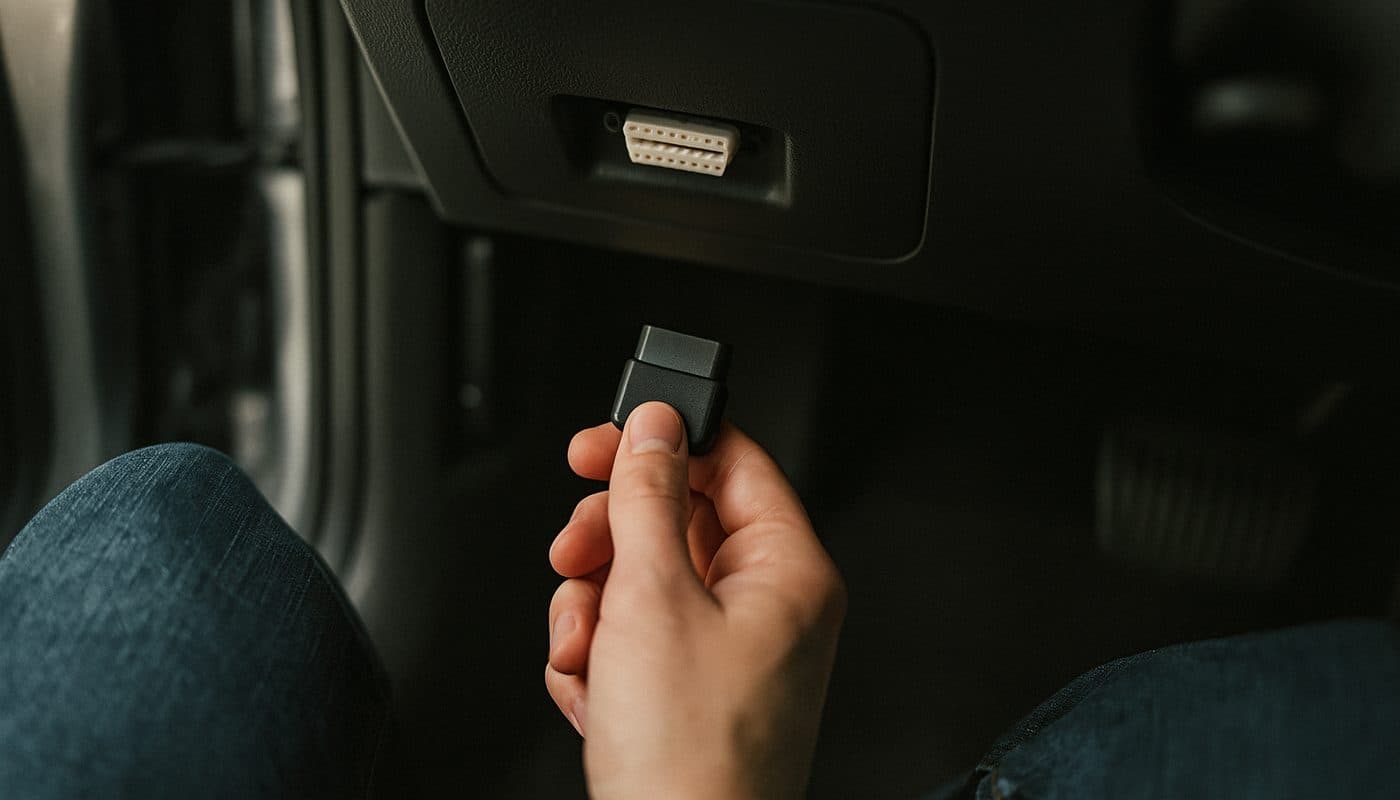
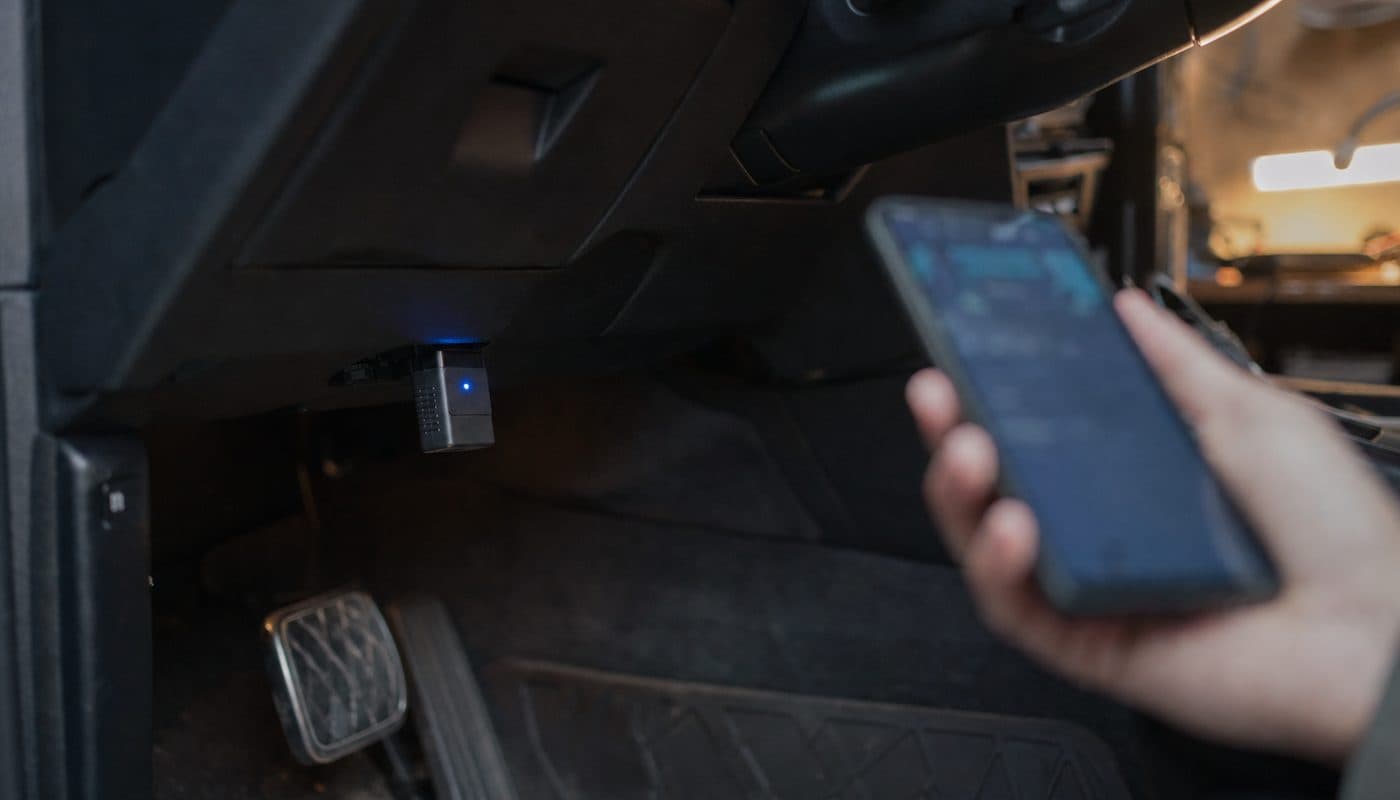
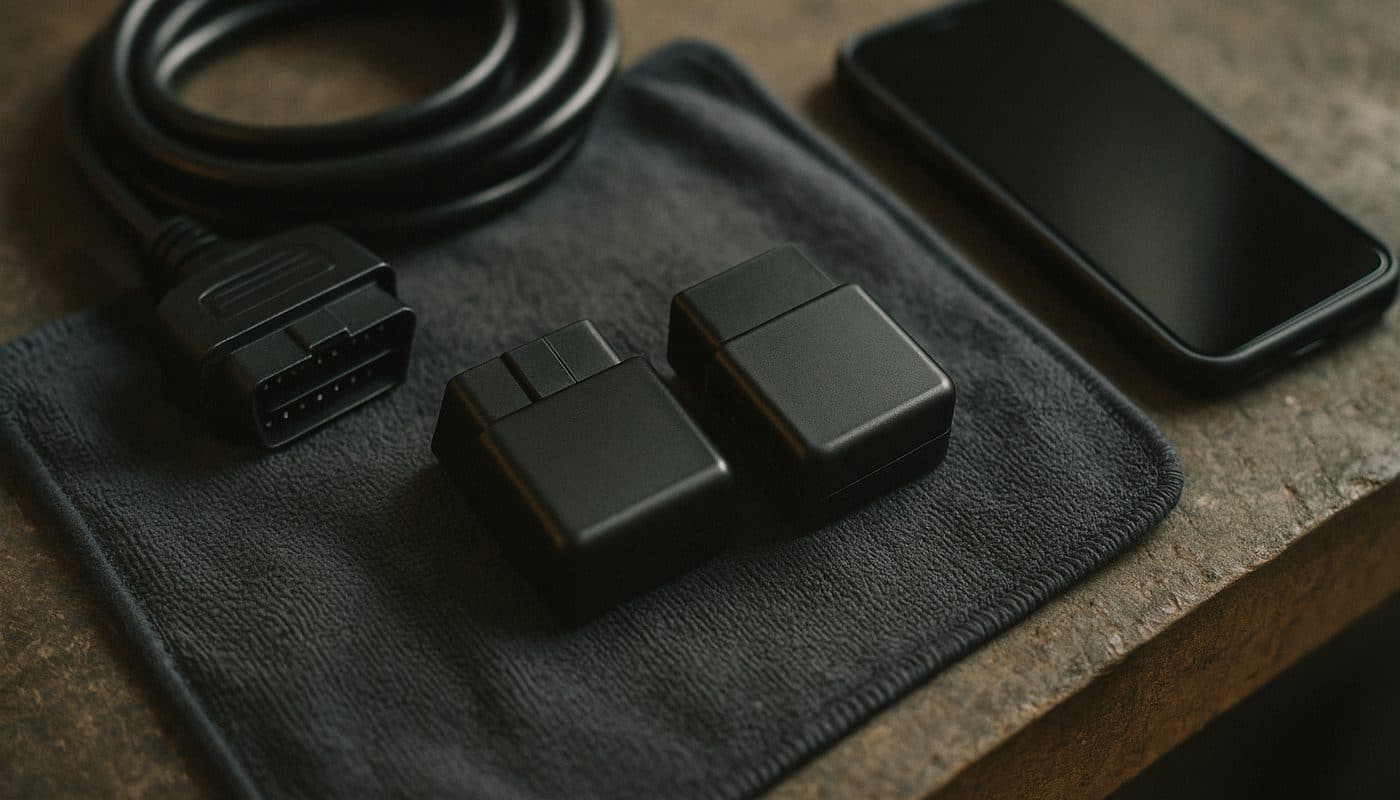
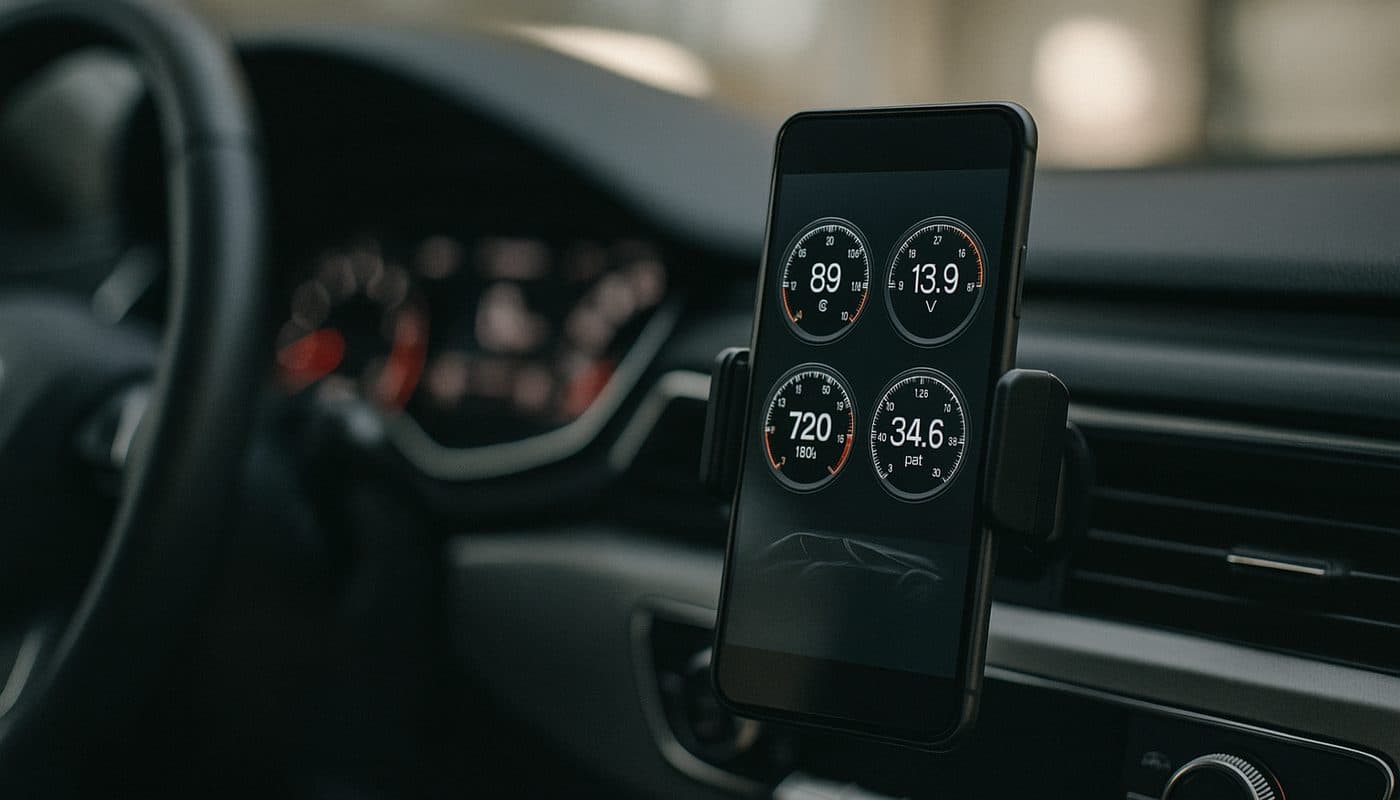
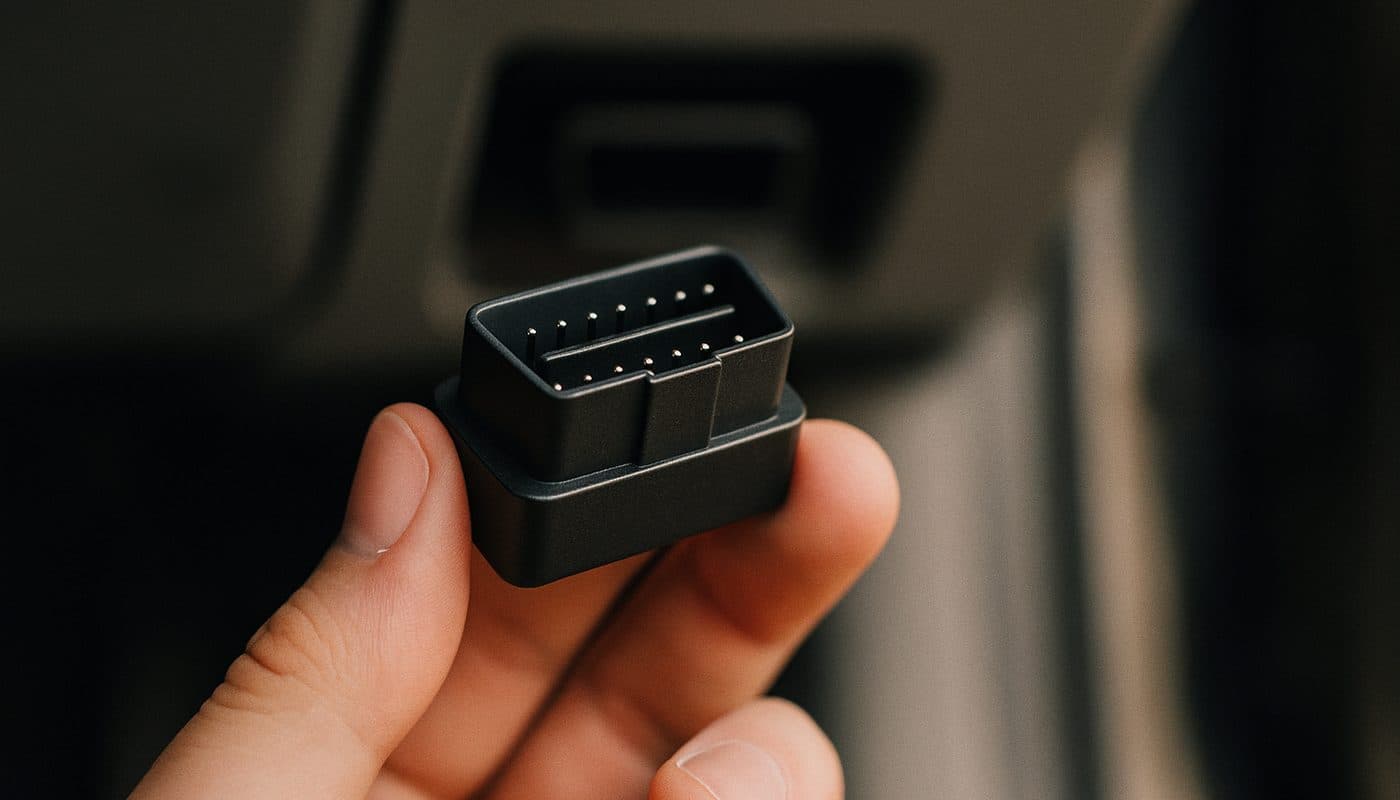
- OBD2 scan tool that reads transmission fluid temperature live data - BimmerCode, ISTA on a laptop, Carly, Foxwell NT530, or even a $30 OBDLink MX+ with the BimmerLink app on your phone
- Jack stands or a lift (the car must be level for the fluid level check, this matters more than you would think)
- Brake parts cleaner and a stack of shop towels
Service kit contents
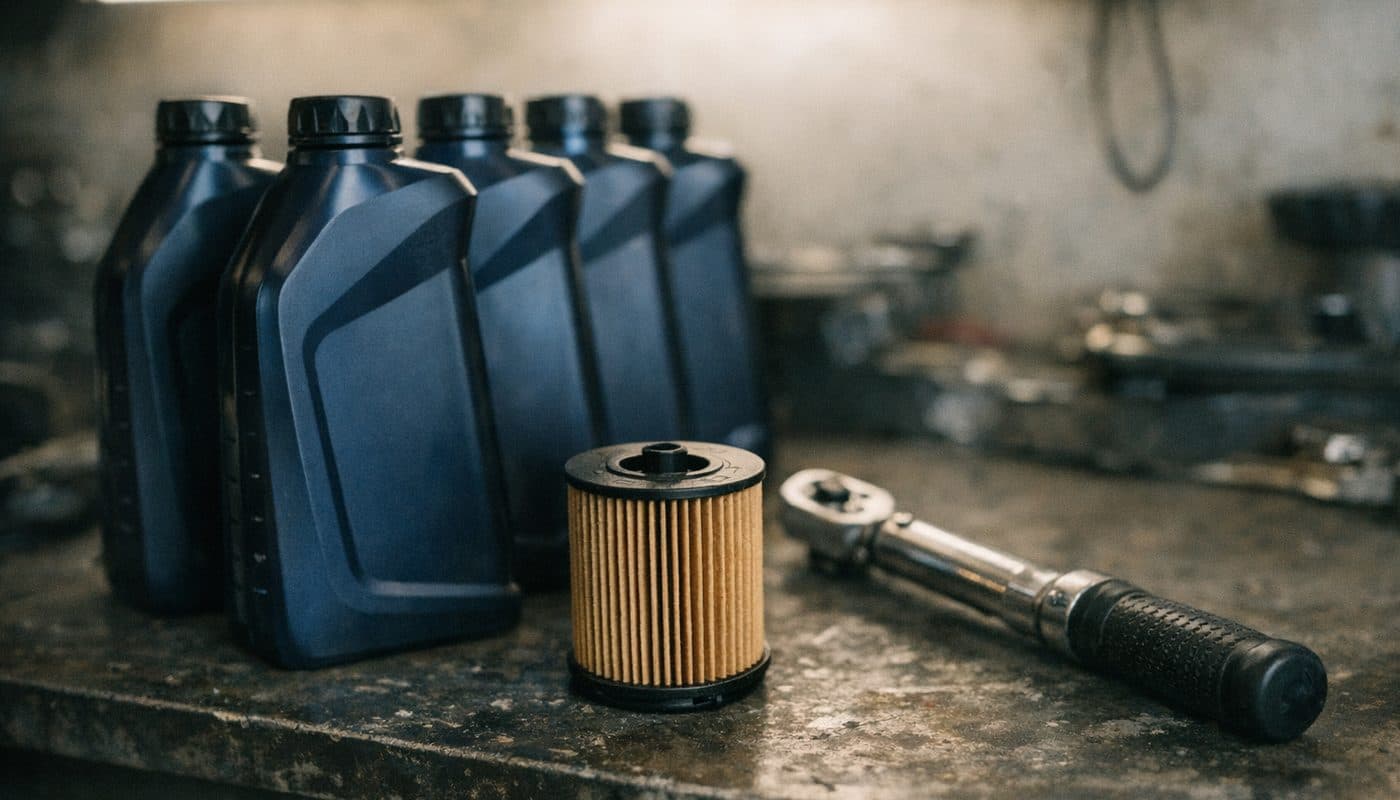
The smart move is to buy a complete service kit rather than parts a la carte. A proper 8HP service kit includes:
- New pan with integrated filter element (sold as one unit, you do not separate them on the 8HP)
- New pan gasket (built into the pan on most kits, do not try to reuse)
- New M6 pan bolts (single-use stretch bolts, 13 to 18 of them depending on variant - reusing the old bolts is asking for a leak)
- New drain plug and crush washer (some kits skip this, buy separately if needed)
- 7 liters of ZF Lifeguard 8 (you will use 5 to 6 liters, the extra is for top-off)
The procedure
1. Get the car level. On a lift this is automatic. On jack stands, all four corners need to be the same height. Off-level by even a couple of degrees throws off the fluid level check at the end.
2. Plug in the OBD scanner and pull up the transmission fluid temperature live data. You want to confirm two things before you start: the temperature reads correctly (it should match ambient if the car has been sitting overnight), and the scanner connection is stable. If the scanner drops out mid-procedure you will be stuck.
3. Open the fill plug FIRST. This is the rule. If you can get the fill plug off, you can refill the transmission. If you drain it first and then find the fill plug is seized, you are looking at a tow truck. Use the right bit, apply heat if needed, and break the fill plug loose before you touch the drain plug.
4. Open the drain plug and let the fluid drain into your catch pan. You will get 4 to 5 liters out of the pan. The remaining fluid stays trapped in the torque converter and the cooler lines (more on that below).
5. Once drained, remove the pan bolts in a star pattern. The pan will come down with a bit of residual fluid, so keep the catch pan under it. Discard the old pan, gasket, filter, and bolts as one unit.
6. Wipe the mating surface on the transmission case clean with brake cleaner. Inspect for any obvious damage to the sealing surface.
7. Install the new pan with new gasket, new bolts, torqued in a star pattern to spec (typically 8 Nm for the M6 pan bolts on most 8HP variants). Use a torque wrench. The pan is aluminum and the bolts are short. Overtorque strips, undertorque leaks.
8. Reinstall the drain plug with a new crush washer, torqued to spec (35 Nm typical).
9. Pump fresh ZF Lifeguard 8 in through the fill port. You will get most of the 5 to 6 liters in before fluid starts to back-flow out the fill port. Stop when fluid weeps out steadily.
10. Now the critical part. Reinstall the fill plug loosely (just enough to stop the drip), start the engine, and let the transmission warm up. Watch the OBD temperature reading.
11. Once the transmission temperature reaches roughly 30 to 40 deg C, with the engine running and the brake pressed, shift through Park, Reverse, Neutral, Drive, Sport, Manual, and back to Park. Hold each gear for 3 to 5 seconds. This circulates fresh fluid through all the clutch packs and the torque converter.
12. With the engine still running and the transmission temperature still in the 30 to 40 deg C window, crack the fill plug open. Fluid should drip out steadily. If it streams, you are overfilled (let it drain to a drip). If it does not come out at all, you are underfilled (pump more in until it drips).
13. Tighten the fill plug to spec (35 Nm typical with new crush washer). Job done.

Service kit options
You have three reasonable paths for sourcing the parts. The math changes depending on whether you want OEM packaging, best dollar value, or a specific aftermarket upgrade.
| Option | Price (April 2026) | What You Get | Best For |
|---|---|---|---|
| ZF OE Pan Kit (full) | $250-300 | Pan with filter, gasket, bolts, 5L fluid | Set-and-forget DIYer |
| BMW Genuine Pan Kit | $350-450 | Same parts, BMW box | Resale-record buyers |
| Mahle/Hengst Pan Kit + ZF fluid separate | $200-280 | Aftermarket pan/filter (Hengst is the OE filter supplier anyway), 7L ZF fluid | Best dollar value |
| Turner Motorsport HD aluminum pan + ZF kit | $400-500 | Heavy-duty finned aluminum pan with magnetic drain, plus ZF service contents | Tracked / tuned cars |
| Drain-and-fill only (no pan) | $80-120 | 5L ZF fluid, new drain plug | Mid-interval refresh |
The Mahle/Hengst route is the smart-money pick for most owners. Hengst manufactures the OE filter for ZF anyway (recent ZF pans switched suppliers from Filtran to Hengst), so when you buy a Hengst-branded pan you are buying the same filter that goes in the OEM kit, just without the ZF labeling fee. Combine that with the OEM ZF Lifeguard 8 fluid bought separately and you get genuine OE-quality service kit parts for $50 to $80 less than the boxed OEM kit.
The BMW Genuine boxed kit is the right pick if you are a stickler for resale documentation. Some buyers of used BMWs want to see BMW-branded parts on the receipts. If that is your buyer profile, the boxed kit pays for itself at sale time.
The Turner Motorsport HD aluminum pan is worth the upgrade for tracked or heavily tuned cars. The aluminum pan adds finned cooling area, includes a magnetic drain plug to catch ferrous wear particles, and looks better when the car is on the lift. For a stock daily it is overkill. For a track car it is cheap insurance.
Drain-and-fill vs full pan removal vs flush
Three different procedures, three different price points, three different outcomes. Understanding the difference matters for setting the right service cadence.
Drain-and-fill (no pan removal)
This is the cheap mid-interval refresh. You crack the drain plug, let 4 to 5 liters of old fluid out, replace the same volume of fresh fluid through the fill port, and check level at temperature. Filter is not replaced (it stays bonded to the pan). Cost is $80 to $120 in parts. Time is around 90 minutes including the temperature check. Right cadence is every 30,000 miles as a half-interval refresh.
Full pan removal with new filter
This is the proper service. Drop the pan, replace the integrated filter (which means a new pan), drain the same 4 to 5 liters from the case, refill with fresh fluid through the fill port, check level. Cost is $230 to $320 in parts. Time is two to three hours. Right cadence is every 60,000 miles, or every 80,000 if the car lives an easy life.
Flush - do NOT do this
A pump flush uses a pressurized machine that pushes new fluid through the cooler return line while pulling old fluid out. The idea is that you replace nearly all the fluid in one shot instead of just the 50% that drains out of the pan. The problem is that the pressure can dislodge accumulated clutch debris from the case and circulate it through the valve body. ZF explicitly does not recommend a pump flush on the 8HP. Multiple BMW indies refuse to do it. If a quick-lube shop tries to upsell you on a "transmission flush" service, walk away. They are using the wrong fluid AND the wrong procedure.
The right cadence is drain-and-fill at 30k for owners who want maximum fluid freshness, with a full pan service at 60k. Or skip the mid-interval and do the full pan at 60k. Both are valid. Do not flush.
Mechatronic sleeve leak - the 80k+ trap
This is the part of the job that catches everyone out, and the part that should be on every service writer's checklist alongside the fluid service. The mechatronic sleeve is a rubber sealing element that lives where the wiring harness from the rest of the car passes into the transmission case. It seals the inside of the transmission (which is full of pressurized hot fluid) from the outside world (which is your driveway). And it dries out and cracks over time.
What it is
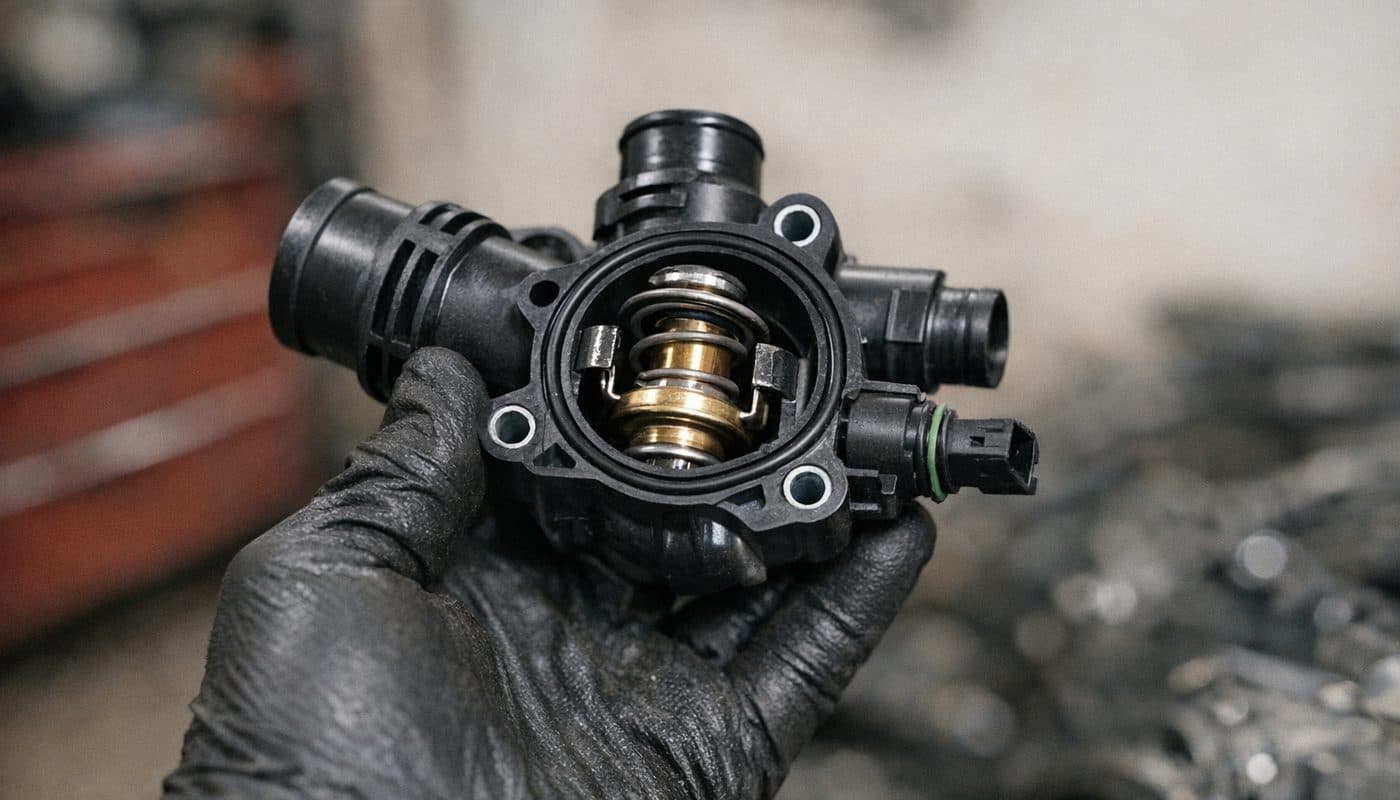
The mechatronic unit is the brain of the 8HP. It is the valve body plus the TCU, all packaged together inside the transmission pan. The wiring harness that connects the TCU to the rest of the car has to pass through the case wall somewhere. That somewhere is the mechatronic sleeve, a rubber and plastic assembly that includes a sleeve, an inner adapter, and a set of o-rings. After enough thermal cycles and enough years of fluid contact, the rubber loses its plasticity, the sleeve hardens, and a small leak develops.
Symptoms
The earliest symptom is small fluid spots on your driveway in the morning. Pink or brown stains on the side of the transmission pan. A faint burnt-fluid smell after a hard drive. As the leak progresses you can see intermittent "Drivetrain Malfunction" warnings, especially on cold starts. Slight slip on the 1-2 shift first thing in the morning. In the worst case, enough fluid loss to drop the level below spec and trigger limp mode.
When it happens
The mechatronic sleeve leak is almost universal at 80,000+ miles. Many cars start weeping by 60,000 miles. By 100,000 miles on the original sleeve it is leaking even if you do not see drips on the floor (the fluid evaporates off the hot pan and disappears between drives). If your car has 80,000 miles or more on it, assume the sleeve is bad until you can verify otherwise.
The fix
The parts cost is $35 to $60 for the sleeve, the inner adapter sleeve, and the o-rings. ZF sells the kit as part 0501 217 916. BMW sells the same parts under 24 34 7 588 723. Always replace ALL the components in the kit at once. Reusing the inner adapter or the o-rings is asking for a fresh leak in 6 months.
The labor is around 4 hours at an indie ($400 to $600 with parts) if you book it as a standalone job. Or it adds 30 minutes to a fluid service if you do it WITH the pan off. This is the single biggest reason to batch the sleeve replacement with your first fluid service. The pan is already off. The mechatronic is already exposed. You are halfway there. Spend the extra $50 on the sleeve kit and 30 minutes on the install and you have eliminated a $500 future repair.
TCU tuning consideration
If you are running an xHP flash (or planning one), the fluid service is part of the tune plan, not an optional add-on. xHP is a TCU reflash from Tunestation that costs around $149 for the license. It rewrites the shift maps and line pressure tables to give you faster shifts, more aggressive launch behavior, and on some cars launch control that the factory never enabled.
Three reasons fresh fluid is mandatory before or right after the flash:
One. The xHP firmware runs higher line pressure and faster shift commands than the factory tune. Tired fluid cannot maintain the pressure or carry the heat. You can flash an old-fluid car and it will work, but you are eating clutch life every shift.
Two. xHP enables launch control on cars that did not ship with it from the factory. Launch control is brutal on the clutches and the torque converter. Old fluid plus launch control equals clutch glaze in a few hundred miles. Fresh fluid plus launch control equals normal wear over thousands of miles.
Three. After the flash, both ZF and the xHP team note that shift quality is weird for the first few hundred miles as the TCU re-learns. Doing the flash on fresh fluid speeds up the adaptation and gives you a cleaner final calibration.
The pattern I follow when a customer asks: flash, drive 200 miles, then service the fluid. That way the new TCU calibration adapts on fresh fluid and you set the level at the right operating point with the new shift behavior in play. If the car is already past 60k on the original fluid, do the fluid service first, drive 1,000 miles to confirm everything is happy, then flash.
Cost breakdown - DIY vs indy vs dealer
The math here is brutal and the dealers know it. Pricing is current as of April 2026.
| Path | Total Cost | Notes |
|---|---|---|
| DIY at home with jack stands | $200-300 | Plus 2-3 hours of your time |
| Independent BMW specialist | $400-600 | Often will batch with the sealing sleeve at no extra labor |
| BMW dealer (when they will do it) | $700-1100 | Many dealers refuse, citing "lifetime fill" |
| Quick lube (universal flush machine) | $200-300 | DO NOT - they will use the wrong fluid AND flush it through |
The DIY path at $200 to $300 in parts is the same procedure as the dealer's $1,000 service, with one difference. The dealer is paying a tech labor rate of $180 to $220 per hour. The dealer is also marking up the parts at MSRP. The total bill on a $250 parts kit at $200/hour for 3 hours of labor lands you at $850 plus tax. That is your $700 to $1,100 dealer quote.
The independent BMW specialist quote of $400 to $600 is where most owners land if they do not want to do the work themselves. Indies typically buy the OEM parts kit at trade pricing ($180 instead of $250), charge $120 to $150 per labor hour (instead of dealer's $200), and complete the job in 2 hours flat because they do them all the time. The math is just better at an indie.
The DIY savings are real but the time investment is real too. If your hourly rate is $100 and the job takes 3 hours, you have spent $300 of your time to save $400 on the indie quote. If your time is worth less, the math gets better. If you actually enjoy wrenching on your own car (and you should, that is half the point of owning a BMW), the time is not really a cost at all.

Warning signs you need fluid service yesterday
The 8HP is good at hiding fluid problems until they are advanced. By the time you feel a symptom, the fluid is well past its useful life. Here are the warning signs in rough order of severity, from "you are a little overdue" to "do not drive the car another mile without fixing this."
Hard cold shifts. The most common first symptom. Cold morning starts feel jerky on the 1-2 or 2-3 upshift, then smooth out after 5 minutes of driving. This is the fluid losing its viscosity stability and the additive package starting to fail.
Slipping on 1-2 or 3-4 shifts. You feel the engine RPM rise momentarily during the shift, then catch as the clutch locks. This is clutch material starting to glaze and lose friction coefficient. Fluid alone will slow this but may not fully reverse it if you have ignored it for too long.
Delayed engagement when shifting from Park to Drive. You shift the lever, you feel a 1-second delay, then the transmission engages with a small clunk. This is line pressure dropping below spec, usually because the fluid is contaminated and the pump is struggling.
Burnt smell from under the car after a hard drive. The fluid is past its thermal life. The friction modifier package has broken down and the base oil is starting to oxidize. Service immediately.
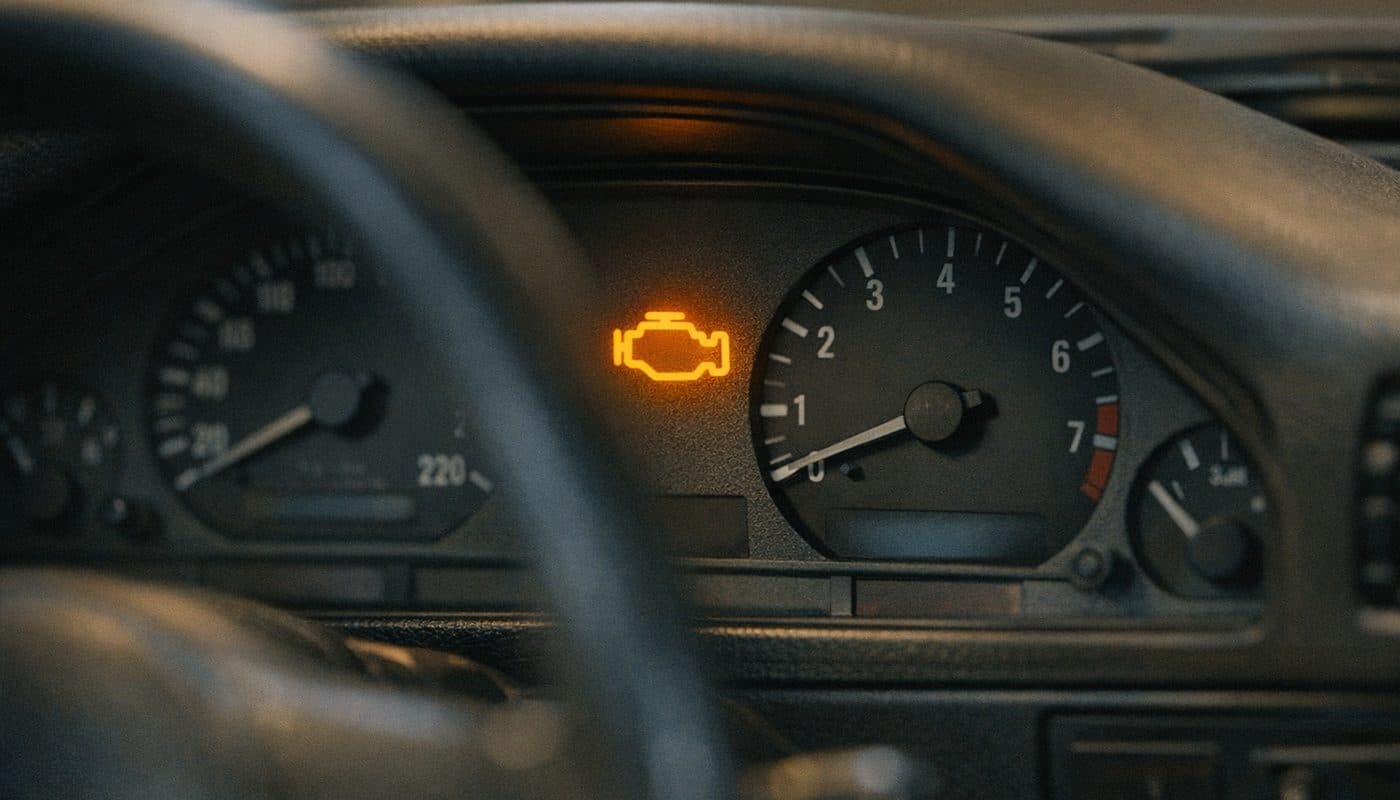
"Drivetrain Malfunction" warning, especially on cold start. Could be a number of things, but old fluid plus a leaking mechatronic sleeve is high on the list. If you have not serviced the fluid recently and you see this warning, that is a signal. We have a separate BMW Drivetrain Malfunction guide that walks through the diagnostic flow if you want to chase it down.
Hesitation under hard acceleration. Stomp the throttle from a cruise and feel a pause before the transmission downshifts. Line pressure is dropping under load, usually because the fluid is contaminated and the pump cannot maintain demand.
Visible fluid drops under the car. Could be the mechatronic sleeve (most likely). Could be the pan gasket (less common, but possible if the pan was disturbed at some point). Either way, get under the car and find the source. ZF Lifeguard 8 fluid leaks pink-brown when fresh, dark brown when old.
Shudder on light throttle 40 to 60 mph. This is torque converter lockup clutch glaze. The lockup clutch is a small clutch inside the torque converter that locks the impeller and turbine together at cruise to eliminate slip. When the friction surface glazes, you feel a vibration during the lockup engagement. Fresh fluid will not fully reverse this once it has progressed but it will stop it from getting worse.
If you have ANY two of these symptoms together, do not delay. The fluid service is cheap. The mechatronic replacement is not. The valve body remanufacture is not. The full transmission replacement is genuinely expensive. The fluid is the cheapest insurance policy you can buy for the most expensive component in your drivetrain.
What to expect at the dealer
I worked the BMW and MINI marketing role for a year. Here is the script. When a customer calls and asks for a transmission fluid change on their 8HP, the writer pulls up the VIN and looks at the maintenance schedule. There is no transmission fluid line item. The writer reads what is on the screen, which is "no service interval listed." Some writers stop there and tell the customer the fluid is sealed for life. Others go further and say "BMW does not recommend that service on this vehicle."
Both of those statements are technically defensible from inside the BMW dealer system. Neither one is true in the real world. The fluid is not sealed for life (there is a drain plug, a fill plug, and a removable pan with an integrated filter). BMW does not "recommend against" the service (BMW's own TIS technical information system has the procedure documented in detail). The system just does not surface it because BMW removed it from the customer-facing menu.
How to push back. Ask for the "fluid replacement procedure per BMW TIS" by name. Reference TIS document SD92-114 (this is the public ZF technical bulletin, but BMW has equivalent internal docs). Ask the writer to escalate to the shop foreman if needed. Some dealers will then quote the service. Some will still refuse. If yours refuses, do not waste any more energy on it. Take the car to a BMW indie or do the job yourself.
The dealer refusal is real and predictable. It is not malicious. The writer is not lying to you on purpose. They are reading what the screen tells them, and the screen tells them nothing because BMW did not put anything in the database. The independent BMW shops are easier in every way for this specific service. They know the procedure, they buy the parts in bulk, they will batch the mechatronic sleeve, and they will not argue with you about whether the service should exist.
Want the bigger picture on what BMW services actually cost vs what the dealer will tell you? Our BMW oil change cost breakdown covers the same DIY-vs-indy-vs-dealer math for the most common service item. The pattern repeats across every BMW maintenance line. And if you are working through a broader service plan for your car, our BMW transmission service guide covers the cross-chassis breakdown of every transmission BMW has put on the road in the last 25 years.
What happens when you skip this past 100,000 miles
I want to walk you through the failure cascade in detail because it is the part of the story that motivates the work. The fluid service is preventive. The skipped service is what creates the chain of failures.
Stage one - the fluid loses its detergent and friction modifier package somewhere between 60k and 100k miles depending on driving conditions. The base oil itself is still functional but the additives that protect the clutches are gone. At this point you have already started shedding microscopic clutch material into the fluid.
Stage two - the shed clutch material starts to glaze the friction surfaces. Glazing is permanent loss of friction coefficient. Once a clutch surface is glazed, no amount of fresh fluid will restore it. The TCU compensates by raising line pressure, which buys you time but accelerates wear on every other component.
Stage three - the contaminated fluid circulates through the valve body. The 8HP valve body has narrow EDS solenoid bores that control shift pressure. The shed clutch material starts scoring those bores. Scored bores leak past the spool valves, which means the TCU loses precise pressure control on shifts. You feel this as inconsistent shift quality, hesitation, and intermittent harsh shifts.
Stage four - the mechatronic sleeve leak (which has been weeping fluid for the last 30k miles because nobody serviced it) drops the fluid level enough to trigger limp mode on a cold start or under hard load. Now the car will not move properly. You either tow it to a shop or you nurse it home and start panicking.
Stage five - the repair quotes come in. Valve body remanufacture is around $375 from MAKTRANS for the rebuilt part, plus 4 to 6 hours of labor at $150 per hour for the indie or $200 per hour for the dealer. So $1,000 to $1,600 if you are lucky and the bores are still salvageable. If the bores are too far gone, full mechatronic replacement is $2,500 to $4,500 depending on whether you go remanufactured or new. If the clutches themselves are toast (rare but it happens) you are looking at a complete transmission replacement, which is $5,000 to $8,000 installed.
The fluid service you skipped at 60k that would have cost $250 prevented every one of those outcomes. That is why this is the cheapest insurance you can buy for your BMW.

Frequently asked questions
How often should BMW transmission fluid be changed?
For a stock daily driver in a mild climate, every 60,000 to 80,000 miles is the right interval. For a tracked or towed car, drop to 30,000 to 40,000. For a tuned car, 40,000 to 50,000. ZF's official recommendation is 80,000 km (about 50,000 miles) but most BMW indies treat 60,000 to 80,000 as the conservative real-world number for stock cars.
Does BMW transmission fluid really need to be changed?
Yes, despite what BMW marketing language tells you. ZF Friedrichshafen, the company that designed and built the 8HP, publishes a service interval. BMW removed it from the customer maintenance schedule for cost-of-ownership marketing reasons. The fluid degrades on a real-world clock regardless of what BMW prints on the schedule.
What kind of transmission fluid does BMW use?
For all 2009 and newer BMW automatics (the entire ZF 8HP family), the fluid is ZF Lifeguard Fluid 8. BMW sells the same fluid under part numbers 83 22 2 152 426 (1L) and 83 22 2 289 720 (5L). Older 6HP transmissions use a different fluid (Mobil ATF LT 71141 historically) and even older 5HP cars use yet another spec. Confirm your transmission code before buying fluid.
Is BMW ZF 8HP transmission fluid lifetime?
No. "Lifetime" in BMW's vocabulary means the warranty period plus a goodwill window, which works out to roughly 100,000 miles or 8 years. The transmission itself is designed to last longer than that, but only if you service the fluid. ZF specifies an 80,000 km service interval for the 8HP, which BMW chose not to print in the customer service schedule.
How much does it cost to change BMW transmission fluid?
DIY at home is $200 to $300 in parts. An independent BMW specialist will do it for $400 to $600 including parts and labor. A BMW dealer will charge $700 to $1,100 if they will do it at all (many refuse, citing the "lifetime fill" line). Quick-lube shops should be avoided entirely because they use the wrong fluid and the wrong procedure.
Can you change the transmission fluid yourself on a BMW?
Yes, with the right tools. You need a torque wrench, an OBD2 scanner that reads transmission fluid temperature live data (BimmerLink, Carly, or Foxwell NT530 are all fine), a fluid transfer pump for the fill, and the ability to get the car level on jack stands or a lift. The actual wrenching takes 90 minutes. The total job is 2 to 3 hours including the temperature check.
What happens if you do not change BMW transmission fluid?
The friction modifier package in the fluid breaks down between 60,000 and 100,000 miles. Clutch material sheds into the fluid, glazes the clutch surfaces, and circulates through the valve body. The result is hard shifts, slip, hesitation, and eventually limp mode. The repair path is valve body remanufacture ($1,000 to $1,600), full mechatronic replacement ($2,500 to $4,500), or transmission replacement ($5,000 to $8,000). The fluid service prevents all of this.
Is it OK to use Dexron VI in a BMW transmission?
No. Absolutely not. Dexron VI uses a different friction modifier package (calibrated for GM transmissions) and the friction coefficient is wrong for the 8HP clutch packs. The TCU pressure tables expect ZF Lifeguard 8. Dexron VI will cause harsh engagement or clutch slip within a few hundred miles, and the damage to the clutch surfaces is permanent. Same warning applies to Mercon V, Mercon LV, Type IV ATF, and any "multi-vehicle" universal fluid that does not explicitly meet ZF TE-ML 11 and BMW ATF 3+.
Why does BMW say lifetime fluid?
Marketing and cost-of-ownership math. Removing the fluid service from the schedule lets BMW advertise a lower five-year cost of ownership than competitors who still print a transmission service interval. It also simplifies the dealer service menu. And the actuarial math works out for BMW because most 8HPs survive past warranty on the original fluid, and the ones that do not are out of pocket for the customer.
How many liters of fluid does a ZF 8HP take?
Total transmission capacity is around 9 liters across the family (slightly less on the 8HP45, slightly more on the 8HP70 and 76). A pan drain releases only 4 to 5 liters because the rest stays trapped in the torque converter and cooler lines. A complete service kit comes with 7 liters of fluid, which gives you enough for the drain refill plus top-off and a small reserve.
What temperature should BMW transmission fluid be when checking level?
30 to 50 deg C transmission fluid temperature, monitored via OBD scanner. BMW spec is 30 to 40 deg C. ZF spec is 30 to 50. I aim for 35 to 40 to be safe. Filling cold gives you an underfill (the fluid expands as it heats up). Filling hot gives you an overfill (the fluid is already at maximum volume). Either error causes problems. The OBD temperature reading is non-negotiable.
Should you flush a ZF 8HP transmission?
No. ZF explicitly does not recommend a pump flush on the 8HP. The pressurized flush can dislodge accumulated clutch debris and circulate it through the valve body, which is exactly what you do not want. Multiple BMW indies refuse to do flushes for this reason. If a quick-lube shop tries to upsell you on a "transmission flush," walk away. The right procedure is drain-and-fill or full pan removal, never a pressure flush.
What is ZF Lifeguard 8 fluid?
ZF Lifeguard Fluid 8 is the OEM synthetic transmission fluid formulated specifically for the ZF 8HP family. It carries the BMW ATF 3+ approval and the ZF TE-ML 11 approval. The friction modifier package is calibrated to match the friction material in the 8HP clutch packs. Bottle color is light green when fresh, darkens to brown by 60,000 miles in service. Sold under ZF part S671090312 and BMW part 83 22 2 152 426.
How do you check transmission fluid level on a BMW with no dipstick?
The 8HP has no dipstick. The fill plug doubles as the level indicator. You set the level when the transmission fluid temperature is between 30 and 50 deg C, monitored via OBD scanner. With the engine running and the fill plug cracked open, fluid should drip out steadily (not stream, not dry). That drip rate is your level indicator. Tighten the plug when the drip is steady. There is no other way to check level on these transmissions.
Is the ZF 8HP a sealed transmission?
No. It has a drain plug, a fill plug, a removable pan with integrated filter, and a documented service procedure published by ZF. The "sealed for life" line is dealer service desk language, not technical reality. ZF publishes the service interval (80,000 km) and the procedure (TIS document equivalents and ZF technical bulletin SD92-114). The transmission was designed to be serviceable. BMW just chose to leave it out of the customer maintenance schedule.
Final verdict - DIY today, do not wait
If your BMW is past 60,000 miles on the original fluid, schedule the service. If it is past 80,000 miles, do it this weekend. If it is past 100,000 miles, do it this weekend AND budget for the mechatronic sleeve at the same time. The fluid service is the cheapest preventive maintenance you can do on the most expensive component in the drivetrain. Skipping it is gambling that BMW's marketing language is more accurate than ZF's engineering, and that bet does not pay off.
For most owners the right move is the OEM ZF Lifeguard Fluid 8 fluid combined with a quality pan kit. Set-and-forget, no questions, no friction modifier surprises 50,000 miles down the road. If you cannot source the OEM bottle quickly, the TRIAX ATF 689 synthetic alternative carries the right approvals and works fine in every 8HP I have personally tested it in. Either fluid plus a Mahle/Hengst pan kit gets you OE-quality service for under $250 in parts.
Get the right tools (torque wrench, OBD scanner, fluid pump). Get the car level. Open the fill plug first, drain second. Use new bolts and a new gasket. Set the level at 30 to 40 deg C transmission temperature using your OBD scanner. Batch the mechatronic sleeve replacement if the car is past 80k miles. Do not flush. Use the right fluid. That is the entire game.
If your dealer tells you the transmission is sealed for life, find a BMW indie. If your indie tells you the same thing, find a different indie. The service exists. The procedure is documented. ZF wrote the manual. Your transmission will thank you with another 100,000 miles of clean shifts. While you have the tools out, our BMW spark plug replacement cost guide is the next obvious DIY service that pays back the time investment, and the BMW coolant guide covers the other "lifetime" fluid that BMW expects you to ignore until the cooling system fails. The pattern is the same across the maintenance schedule. The DIY math always wins.
Five years of wrenching on these cars and one year inside BMW and MINI marketing seeing customer feedback taught me one thing about the 8HP. It is a fantastic transmission. ZF built it to outlast the rest of the car. But it only outlasts the rest of the car if you give it fresh fluid every 60,000 miles. That is the deal. ZF holds up their end of the bargain by building a transmission that can hit 250,000 miles. Your end of the bargain is one Saturday afternoon and $250 in parts every five years. Do the work.