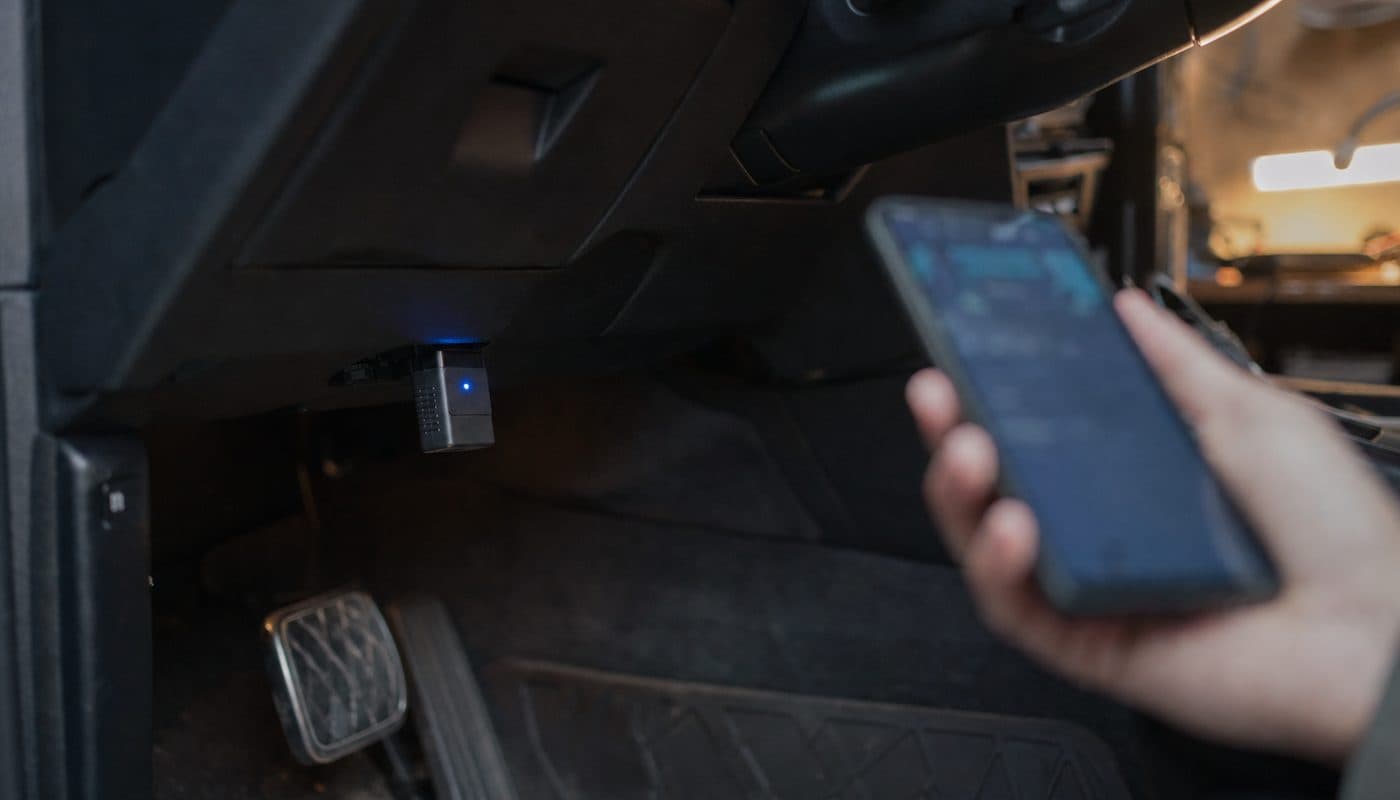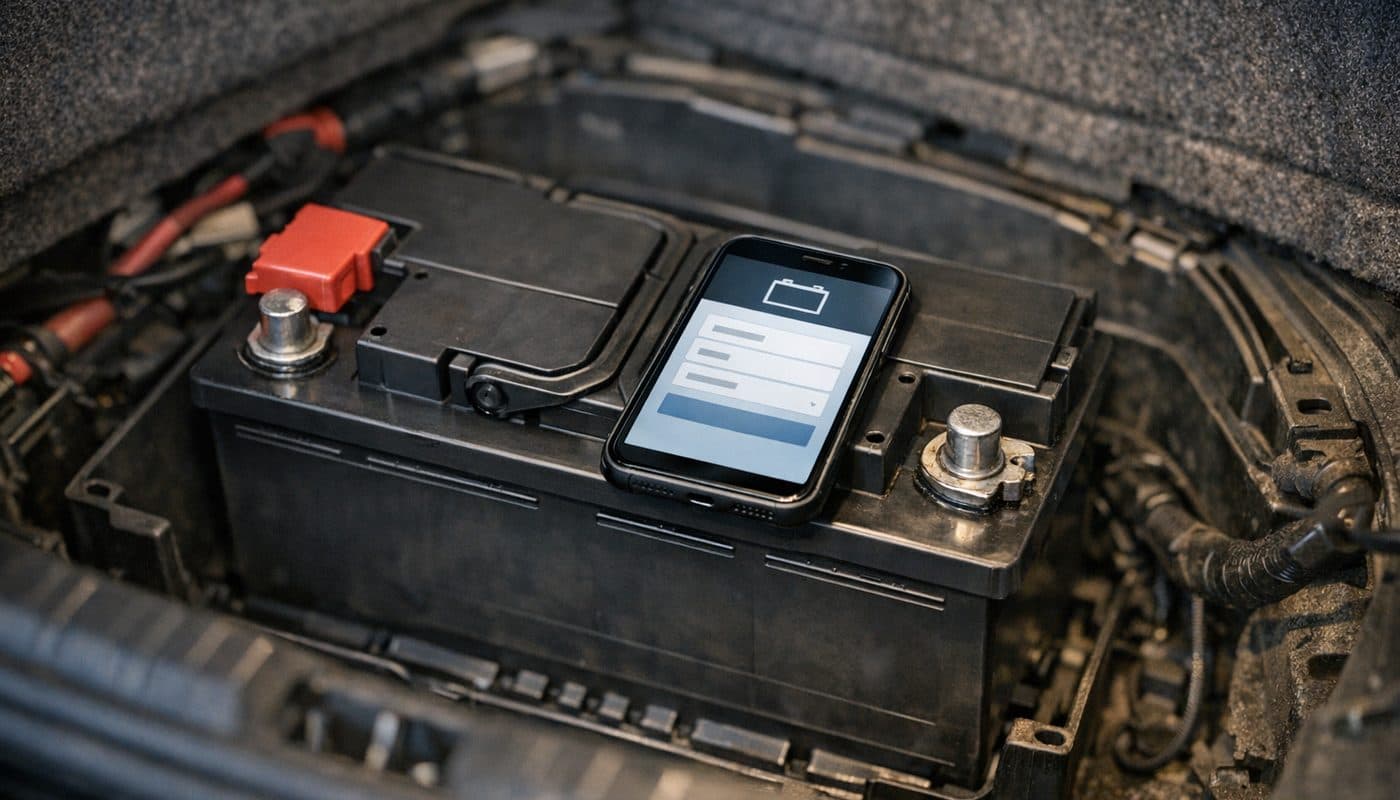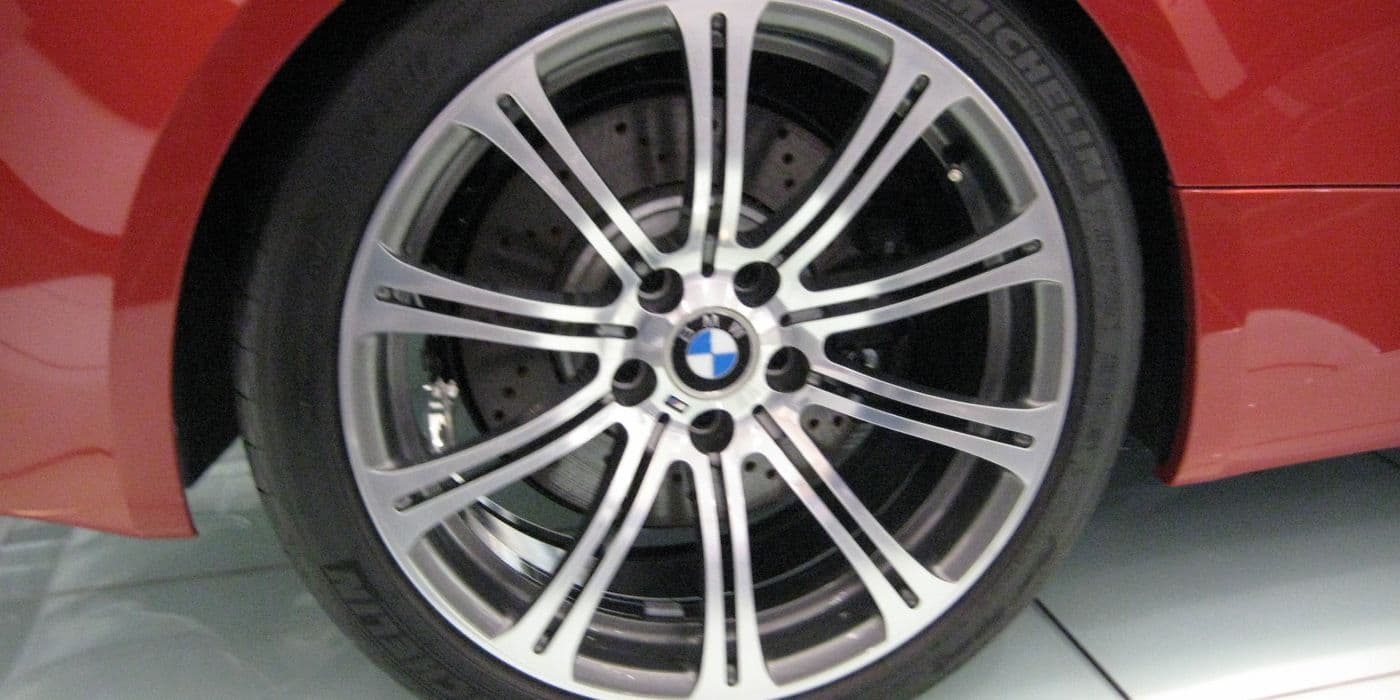
BMW DSC Service Guide, Module Replacement Faults and Reset Procedures
Affiliate disclosure. BimmerTalk is a proud partner of the Amazon Associates Program and Turner Motorsport. We may earn a small commission on qualifying purchases through our links, at no extra cost to you. Read the full disclosure.

If your DSC light is on, you've got a yellow triangle staring at you from the instrument cluster, or you just pulled a 5DF0 or 5E20 fault code and have no idea what the hardware behind it actually does - this guide is for you. DSC, BMW's Dynamic Stability Control system, is one of the most misunderstood pieces of kit on any E-chassis, F-chassis, or G-chassis car. People think it's a black box that either works or doesn't. The reality is it's a network of sensors, a hydraulic pump, a dedicated control module, and a feedback loop that talks to your DME, your DSC module, and your instrument cluster in real time. When one node in that network fails, the whole system flags out - and if you go chasing it with a generic OBD2 reader, you'll spend money you didn't need to spend.
I've been wrenching on BMWs for five years. My current daily is a G20 330i - the B48 turbo four, 255 HP, LCI spec - and before that I ran an E92 335i with the N54. I also spent a year in marketing for BMW and MINI, which means I've read more technical service bulletins than any reasonable person should. I've done DSC work on E46s, E60s, E90s, and helped a buddy last spring swap the DSC module in his F10 535i when the pump motor started making the grinding noise of death. This guide covers the hardware architecture, generation-by-generation module differences, every common fault code, the yellow versus red light distinction, full reset procedures, when you actually need to replace the module versus when you just need a sensor reset, and the tools required to do any of this properly. No fluff. Let's go.
1992 (E36 with DSC I)
DSC System First Appeared on BMW
What the DSC System Actually Is
Most people conflate DSC with ABS. They're not the same thing, even though they share hardware. ABS - Anti-lock Braking System - has been on BMWs since the mid-1980s. It uses wheel speed sensors and a hydraulic modulator to prevent wheel lockup under hard braking. DSC is built on top of that foundation and adds yaw rate control, traction control (ASC/DTC), cornering brake control, and on modern cars, a whole suite of vehicle dynamics functions that feed into things like active steering and launch control.
The physical DSC system on any BMW from the E46 generation forward consists of five major hardware nodes. You have the ABS hydraulic pump and motor assembly, which is the aluminum block bolted to the inner fender in the front-left corner of the engine bay on most platforms. You have the DSC control module (the ECU portion), which on older cars was a separate unit bolted nearby but on E90-generation cars and later is integrated directly onto the hydraulic block - one assembly, two functions. Then you have the steering angle sensor (also called the SZL in BMW documentation), the yaw rate and lateral acceleration sensor (combined unit, usually under the center console or beneath the front seats), and on E46 and later cars, the brake pedal travel sensor, which BMW sometimes calls the brake pressure sensor or tandem master cylinder sensor depending on the generation.
All five nodes communicate over the vehicle's bus network. On E46 and E90-chassis cars that's primarily the K-CAN (chassis CAN bus). On F-chassis and G-chassis cars the DSC module sits on a PT-CAN2 or FACAN depending on the generation, and also communicates via FlexRay on higher-spec G-chassis applications. That bus topology matters when you're diagnosing faults - a bad termination resistor or a damaged bus wire can fake a DSC module fault when the module itself is perfectly healthy.
The Difference Between DSC Off, DTC Mode, and Full DSC
When you press the DSC button once in most BMWs, you get DTC mode - Dynamic Traction Control. This is the BMW enthusiast's mode. Yaw stability control stays active (the car won't swap ends), but the traction intervention threshold is relaxed significantly, allowing a meaningful amount of wheelspin. In M cars, DTC mode is how you do a proper launch or a sustained drift with the car still catching you if things go genuinely sideways.
Press and hold the DSC button for about three seconds, or press it twice depending on the generation, and you get full DSC off. At that point you're running on ABS only. The car will still not lock its wheels under braking, but it will happily spin its driven wheels until the tyres cry, and it won't correct yaw deviations through brake intervention. That's the mode where things get exciting - and also the mode a faulty DSC system inadvertently mimics, which is why a DSC fault is actually a safety issue, not just an annoyance.
Hardware Generations at a Glance
BMW has used several generations of DSC hardware across the chassis generations you'll actually encounter in real life. The system supplier is primarily Continental (formerly Teves) and Bosch, with the module generation designations coming from BMW's internal documentation. Here's the short version of what lives under which chassis.
| Chassis | Engine Codes (Common) | DSC Module Generation | Supplier | Notes |
|---|---|---|---|---|
| E46 (1998-2006) | M52TU / M54 / S54 / M47 / M57 | DSC III / MK60 | Continental Teves | Separate module and pump on early cars; integrated on later E46 |
| E60 / E61 (2003-2010) | N52 / N54 / M54 / M57N | MK60 / MK60E1 | Continental Teves | MK60E1 on post-2006 builds |
| E70 / E71 (X5 / X6) | N54 / N55 / M57 | MK60E1 | Continental Teves | Same hardware as late E60 |
| E90 / E92 / E93 (2006-2013) | N52 / N54 / N55 / S65 / S85 | MK60E1 / DSC9 (MK70) | Bosch / Continental | DSC9 introduced mid-E9x run on some specs |
| F10 / F11 / F06 / F12 / F13 | N52 / N55 / N63 / S63 | DSC10 (MK100) | Bosch | FlexRay integration starts here on some variants |
| F15 / F16 (X5 / X6) | N55 / N63 / S63 | DSC10 | Bosch | xDrive integration tighter than E7x |
| F30 / F31 / F32 / F80 / F82 | N20 / N55 / B48 / S55 | DSC10 / DSC MK100 | Bosch | F80 M3 / F82 M4 uses sport-spec DSC10 |
| G20 / G30 / G05 / G80 / G87 | B46 / B48 / B58 / S58 | DSC11 (MK C1 / MK C2) | Bosch | OTA-capable on G-chassis; coding via ISTA-P or Cabriolet required post-swap |
E46 (1998-2006)
- Engine Codes (Common)
- M52TU / M54 / S54 / M47 / M57
- DSC Module Generation
- DSC III / MK60
- Supplier
- Continental Teves
- Notes
- Separate module and pump on early cars; integrated on later E46
E60 / E61 (2003-2010)
- Engine Codes (Common)
- N52 / N54 / M54 / M57N
- DSC Module Generation
- MK60 / MK60E1
- Supplier
- Continental Teves
- Notes
- MK60E1 on post-2006 builds
E70 / E71 (X5 / X6)
- Engine Codes (Common)
- N54 / N55 / M57
- DSC Module Generation
- MK60E1
- Supplier
- Continental Teves
- Notes
- Same hardware as late E60
E90 / E92 / E93 (2006-2013)
- Engine Codes (Common)
- N52 / N54 / N55 / S65 / S85
- DSC Module Generation
- MK60E1 / DSC9 (MK70)
- Supplier
- Bosch / Continental
- Notes
- DSC9 introduced mid-E9x run on some specs
F10 / F11 / F06 / F12 / F13
- Engine Codes (Common)
- N52 / N55 / N63 / S63
- DSC Module Generation
- DSC10 (MK100)
- Supplier
- Bosch
- Notes
- FlexRay integration starts here on some variants
F15 / F16 (X5 / X6)
- Engine Codes (Common)
- N55 / N63 / S63
- DSC Module Generation
- DSC10
- Supplier
- Bosch
- Notes
- xDrive integration tighter than E7x
F30 / F31 / F32 / F80 / F82
- Engine Codes (Common)
- N20 / N55 / B48 / S55
- DSC Module Generation
- DSC10 / DSC MK100
- Supplier
- Bosch
- Notes
- F80 M3 / F82 M4 uses sport-spec DSC10
G20 / G30 / G05 / G80 / G87
- Engine Codes (Common)
- B46 / B48 / B58 / S58
- DSC Module Generation
- DSC11 (MK C1 / MK C2)
- Supplier
- Bosch
- Notes
- OTA-capable on G-chassis; coding via ISTA-P or Cabriolet required post-swap
The generation jump matters a lot when you're sourcing a replacement module. A DSC10 and a DSC11 are not interchangeable. Even within the same generation, the software calibration is VIN-specific once coded, so a pull-and-plug from a salvage yard will always need coding. More on that in the replacement section.
Where the DSC Hardware Lives in the Engine Bay
On almost every BMW from the E36 generation through the current G-series, the ABS pump and DSC module live in the front-left corner of the engine bay, driver's side in left-hand-drive markets. It's mounted on a rubber-isolated bracket to damp vibration, and it connects to your brake lines through a cluster of hard lines that run from the master cylinder into the pump body and back out to each wheel.
On the E46 - the last generation with a truly separate module ECU - you'll find the hydraulic pump (the motor is at the bottom) and a small black module bolted to the top of it. That module can actually be removed without touching the hydraulic block, which is useful if you're doing a module swap on a car with a still-functional pump. The connector is a large multi-pin connector, usually 55-pin on E46 DSC III applications.
On E90 and later chassis, the ECU is integrated into the hydraulic block. You get one assembly, and the whole thing comes out as a unit. The brake lines still need to be cracked open, which means the system will need bleeding after a swap. That's a critical point - you cannot just swap the module portion without dealing with the hydraulic side, because they're physically one piece of hardware.
The Yaw Rate and Lateral Acceleration Sensor
This is the sensor most people forget about and it causes a significant number of DSC faults. The yaw rate sensor - BMW part description varies by generation but it's sometimes called the DRS or DSC sensor cluster - is a combined unit measuring both yaw rate (rotation around the vertical axis) and lateral acceleration. On E46 and E60 chassis cars it's typically mounted under the driver's seat or in the center console area. On E90 and F-chassis cars it moves to under the front seats or sometimes to the B-pillar area, depending on the variant.
The sensor is orientation-sensitive. If someone replaces the under-seat trim and doesn't clip it back down properly, or if a previous owner has had it rattling loose, the readings drift and the DSC module logs plausibility faults. The fault code associated with this sensor going bad is usually 5DC0 (yaw rate sensor plausibility) or a lateral acceleration sensor variant. If you pull this code and the sensor looks physically intact and properly mounted, the next step is checking whether it's within spec using live data on a proper BMW scan tool - not a generic OBD reader.
The Steering Angle Sensor
The steering angle sensor (SZL on most BMW documentation, sometimes called the EPS sensor or steering column switch cluster) sits in the steering column and tells the DSC module where the front wheels are pointing. This information is essential for the yaw stability algorithm - without knowing the intended steering direction, the DSC module can't calculate whether the car's actual yaw rate matches the driver's intent.
The steering angle sensor needs initialization after any wheel alignment, steering component replacement, or whenever the battery has been disconnected and the initialization value is lost. This is one of the most common reasons a DSC light comes on after seemingly unrelated work. The sensor itself is rarely faulty - the initialization just needs to be redone. On E90 and later cars you can do this through the BMW service menus via a compatible scan tool with a steering angle calibration function. I'll cover the exact procedure later in the reset section.
The Yellow Light Versus the Red Light
This is the first question anyone asks when something lights up on the dash, and BMW has a specific logic for it that's worth understanding. The DSC warning light in the instrument cluster can appear in two forms across the E/F/G chassis generations - a yellow/amber symbol or a red symbol, and the distinction is not cosmetic.
The yellow DSC light - typically a triangle with an exclamation mark or the stylized car-with-wavy-lines symbol - indicates a non-critical fault. The system has detected a fault but the base ABS function may still be operational. The car is alerting you that DSC intervention is currently unavailable or degraded. Drive with awareness, get it diagnosed, but the car is not in immediate danger of brake failure. This is the light you get for things like a steering angle sensor initialization fault, a yaw rate plausibility error, or a DSC module communication timeout after a battery disconnect.
The red DSC or ABS light - or a red triangle - is a different story. Red means the ABS system itself is compromised. That means your car's emergency braking performance could be materially reduced. The red light combined with a brake warning light is BMW's way of telling you something in the brake circuit needs attention before you drive further. That could be a pump motor failure, a wheel speed sensor that's completely dead (not just intermittent), or hydraulic pressure loss. Don't drive on a red ABS/DSC light without at least understanding what fault triggered it.
What the Flashing DSC Light Means
A flashing DSC light while driving is completely different from a static warning light. The flashing symbol - usually the car-with-squiggly-lines icon - is the system telling you it is actively working. Intervention is happening right now. You see this when you're accelerating hard on a damp road, or when the car catches a snap oversteer moment. The DSC is doing its job and the flashing is informational. This is normal operation and not a fault indication.
The confusion happens when the DSC light flashes constantly during normal driving with no apparent reason. That can indicate wheel speed sensor contamination (wheel bearing metal particles getting into the sensor gap), ABS ring damage, or intermittent pump voltage. If you're seeing constant flashing DSC activity on a dry straight road at steady speed, something is feeding the module bad data.
Common Fault Codes and What They Actually Mean
This section is the meat of the guide for most people coming here with a scanner in hand. I'll go through the most common BMW DSC fault codes, what hardware triggers them, and what the diagnostic steps actually look like. All of these codes appear in BMW's own fault code system - you'll see them in ISTA-D or in a BMW-specific scan tool. They won't appear (or will appear in truncated translated form) in a generic OBD reader.
5DF0 - Brake Pedal Travel Sensor
This is the most common DSC fault code I've encountered across E90 and F-chassis cars. Fault 5DF0 points to the brake pedal travel sensor - the sensor that measures how far the brake pedal has been depressed. BMW integrates this into the DSC algorithm to correlate driver brake input with the hydraulic response and with the deceleration the car is actually experiencing. If those numbers don't align, the DSC module logs a plausibility fault.
The actual sensor is a hall-effect sensor mounted on the brake pedal bracket behind the dash. It fails in two common ways. Either the sensor itself develops a dead spot and gives erratic readings, or the wiring to it chafes against the pedal bracket and develops an intermittent open circuit. On E90 chassis cars the connector for this sensor is notorious for moisture ingress if the cabin air filter housing seal is compromised, because condensation tracks down behind the dash.
Diagnosing 5DF0 properly requires live data, not just pulling the code. You need to see the sensor's voltage output across the full pedal travel range. On a healthy car that's a smooth ramp from approximately 0.5V at rest to around 4.5V at full pedal. A faulty sensor will show spikes, flat spots, or a signal that drops to zero mid-range. If live data looks clean, check the wiring connector at the sensor - unplug it, inspect for green corrosion or pushed-back terminals, and check resistance at idle. A good BMW-specific scanner with live data capability is mandatory for this diagnosis. The gives you the live data view and the fault code depth to do this properly without paying dealer rates for a basic diagnostic.
5E20 - DSC Module Internal Fault
This is the code everyone dreads seeing because it directly implicates the module itself. Fault 5E20 is an internal DSC module fault - the module has detected that its own internal processing, memory, or communication hardware has failed a self-check. Unlike sensor faults where you're chasing an external component, 5E20 means the module is telling you it doesn't trust itself.
However - and this is important - 5E20 is also one of the most commonly misdiagnosed fault codes in BMW service. Before you condemn the module, you need to rule out power supply issues. The DSC module on E90 and F-chassis cars requires a stable 12V+ supply and a clean ground reference. A degraded battery, a poor ground strap to the chassis, or corroded fusebox connections can cause the module to fault internally because it's operating outside its voltage tolerance window. I've seen 5E20 cleared permanently by replacing a five-year-old battery that was reading 12.1V at rest and dropping to 9.8V during cranking. Check the battery and grounds first, always.
If power supply checks out clean and 5E20 persists after clearing, the next step is checking for bus communication faults alongside it. If the DSC module is also throwing CAN bus timeout faults for other modules, the DSC module itself may be faulting because it's not receiving required input signals - not because it's internally dead. An ISTA-D guided fault tree is honestly the cleanest way to work through 5E20 correctly, but a capable bidirectional scanner like the can pull the full fault memory from the DSC module and show you the system bus communication status simultaneously.
5DC0 - Yaw Rate Sensor Plausibility
Fault 5DC0 is a plausibility fault for the yaw rate sensor. The module is receiving a signal from the yaw rate sensor, but it doesn't believe it based on cross-referencing the data from other sensors - typically the wheel speed sensors and the steering angle sensor. The most common causes are the yaw rate sensor being physically displaced from its mount (especially on E60 and E90 cars after major suspension work), a failed yaw rate sensor that's outputting a constant value or a noisy signal, and steering angle sensor errors that cascade into a yaw plausibility fault.
Clearing 5DC0 without addressing the root cause is a waste of time - it will come back within a drive cycle. The proper diagnostic path is to check the yaw rate sensor mounting first (physically - get under the car, find the sensor, confirm it's bolted down), then check the steering angle sensor initialization status, then look at live data from the yaw sensor compared against wheel speed sensor data during a slow-speed driving test. If the yaw sensor reads a consistent non-zero value while the car is stationary, the sensor is likely dead and needs replacement.
5CE0 and ABS Pump Motor Faults
ABS pump motor faults - which appear as 5CE0 or under related pump circuit fault codes depending on the chassis - indicate that the DSC module has attempted to activate the pump motor and gotten an abnormal response. This could be a motor that's seized (usually makes a grinding sound before it fails completely), a motor that's drawing excessive current, or a relay/wiring issue in the pump motor circuit.
The pump motor on E90 and F10 cars is the single most common hardware failure in the DSC assembly. The motors use a brushed DC design and the brushes wear over time, particularly on cars driven in salt-belt climates where the unit sees moisture. The early symptom is a grinding or buzzing noise from the front-left engine bay area during hard braking or ABS activation. By the time the fault code appears, the motor is usually on its way out.
A seized pump motor means the whole DSC assembly typically needs replacement. You can source rebuilt units from reputable suppliers, but this is one area where I'd be cautious about cheap off-brand units. The hydraulic block tolerances matter, and a poorly remanufactured pump can develop internal leaks. More on replacement sourcing in the module swap section.
| Fault Code | Description | Most Likely Hardware | DIY Diagnosable | Coding Required After Fix |
|---|---|---|---|---|
| 5DF0 | Brake pedal travel sensor | Pedal sensor or wiring | Yes with bidirectional scanner | No |
| 5E20 | DSC module internal | Module itself OR battery/ground | Partial - rule out power first | Yes if module replaced |
| 5DC0 | Yaw rate plausibility | Yaw sensor, SAS, or mounting | Yes with live data | No (sensor reset only) |
| 5CE0 | ABS pump motor fault | Pump motor brushes | Partial (hear it grinding) | Yes if unit replaced |
| 5DA0 | Wheel speed sensor fault | Wheel speed sensor or tone ring | Yes | No |
| 5E60 | CAN communication fault | Wiring, bus termination, or module | Advanced | Sometimes |
| 5CF0 | Steering angle sensor | SAS unit or initialization | Yes - often just needs reset | No |
5DF0
- Description
- Brake pedal travel sensor
- Most Likely Hardware
- Pedal sensor or wiring
- DIY Diagnosable
- Yes with bidirectional scanner
- Coding Required After Fix
- No
5E20
- Description
- DSC module internal
- Most Likely Hardware
- Module itself OR battery/ground
- DIY Diagnosable
- Partial - rule out power first
- Coding Required After Fix
- Yes if module replaced
5DC0
- Description
- Yaw rate plausibility
- Most Likely Hardware
- Yaw sensor, SAS, or mounting
- DIY Diagnosable
- Yes with live data
- Coding Required After Fix
- No (sensor reset only)
5CE0
- Description
- ABS pump motor fault
- Most Likely Hardware
- Pump motor brushes
- DIY Diagnosable
- Partial (hear it grinding)
- Coding Required After Fix
- Yes if unit replaced
5DA0
- Description
- Wheel speed sensor fault
- Most Likely Hardware
- Wheel speed sensor or tone ring
- DIY Diagnosable
- Yes
- Coding Required After Fix
- No
5E60
- Description
- CAN communication fault
- Most Likely Hardware
- Wiring, bus termination, or module
- DIY Diagnosable
- Advanced
- Coding Required After Fix
- Sometimes
5CF0
- Description
- Steering angle sensor
- Most Likely Hardware
- SAS unit or initialization
- DIY Diagnosable
- Yes - often just needs reset
- Coding Required After Fix
- No
The DSC Fault That Sets No Code
This one trips people up every time. You have a yellow DSC light, you plug in your scanner, and there's nothing there - no fault codes stored, no pending codes, no history codes. The light is just on. What's happening?
The most common scenario is a steering angle sensor that hasn't been initialized. After a wheel alignment, a steering rack replacement, a new front subframe, or even a battery disconnect on some chassis, the SAS loses its zero reference. The DSC module knows the sensor is present and communicating, but it also knows the calibration value is stale or absent. On many chassis this doesn't set a specific fault code - it just illuminates the DSC warning light and disables the stability control function. The light stays on until you run the SAS initialization procedure.
The second scenario is a soft fault that's been cleared by the module itself but hasn't turned the light off yet. Some DSC faults require a specific drive cycle to clear the warning light even after the underlying fault is resolved. The steering angle sensor initialization falls into this category on certain F-chassis cars - you might need to do a slow-speed figure-eight or drive straight above 12 mph for the light to go out after the reset.
Third scenario - and this is chassis-specific to older E46 cars - is DSC module memory corruption that doesn't log a conventional fault code but does cause the module to default to a fault state. This is relatively rare but it happens on high-mileage E46 cars, particularly ones that have had multiple battery replacements without proper coding.
Generation Deep Dive - E46 DSC III and MK60
The E46 - 3-Series from 1998 to 2006, covering M52TU, M54, M47, M57, and the S54 in the M3 - got DSC III based on the Continental Teves MK60 hardware. This was genuinely advanced for its time, with full yaw control via differential brake application. The E46 M3 with S54 got a sport-tuned version of the same hardware with different threshold calibration.
The E46 DSC architecture has a feature that makes it different from everything after it: the module ECU and the hydraulic block are mechanically separable. The ECU portion bolts to the top of the hydraulic assembly but can be removed without opening the brake circuit. This means if you have an ECU failure on an E46, you can theoretically swap just the module without bleeding the brakes. In practice, the hydraulic block seals are often disturbed and the unit is old enough that opening any part of the brake circuit usually means a full bleed anyway - but it's worth knowing.
Common E46 DSC failures include the pump motor brushes wearing out (same as later generations), brake pedal travel sensor failure (the E46 version is also a hall-effect unit on the pedal box), and yaw sensor failures particularly on cars that have lived in wet climates. The E46's yaw sensor lives under the driver's seat and is exposed to floor water ingress if the door seals have deteriorated. On any E46 with water ingress history, this is the first thing to check.
Coding on E46
The good news about E46 DSC work is that the coding requirement is much simpler than later generations. A replacement module sourced from a same-spec E46 (same engine, same DSC variant, ideally same model year range) will often work without recoding, or needs only basic VIN coding rather than a full CAFD file flash. NCS Expert via INPA or a proper EDIABAS-based setup handles E46 DSC coding. The older DCAN-compatible tools work on E46 - you need the 20-pin round OBD connector adapter since the 16-pin OBDII port came to E46 in the middle of the production run.
Generation Deep Dive - E90/E92/E93 and the MK60E1 to DSC9 Transition
The E90 generation - 325i, 328i, 330i, 335i across coupe, sedan, and convertible variants, plus the E92 M3 with S65 - started with the MK60E1 hardware (an evolved version of what the E60 was running) and transitioned mid-production to the MK70/DSC9 on some markets and specifications. The DSC9 generation brought improved yaw calculation algorithms and tighter integration with the variable sport steering (VGS) on equipped cars.
The E90 DSC module is integrated into the hydraulic block. The assembly lives in the familiar front-left corner position, and the brake line cluster running into it is actually quite tightly packaged, especially on right-hand-drive cars where the engine bay geometry is mirrored. Line removal on E90 cars requires flare nut wrenches and patience - the lines are metric with soft aluminum fittings and they will round off if you attack them with an open-end spanner. A proper set of flare nut wrenches is mandatory.
The N54-engined E90/E92 335i deserves a special mention because the N54's direct injection and high-pressure fuel system creates considerable electrical noise on the vehicle bus, and early N54 cars (2007-2008 build dates) had documented issues where DSC communication faults were actually caused by N54 high-pressure fuel pump interference. BMW released a software update for this, and if you're on an early N54 E92 chasing CAN-related DSC faults, check whether the DME calibration has been updated before touching the DSC hardware.
E92 M3 with S65 - DSC Specifics
The E92 M3's S65 V8 has a different DSC calibration than the standard E90 N52/N54 cars. BMW M programmed different intervention thresholds to suit the S65's character and the M3's suspension geometry. The hardware is the same MK60E1/DSC9 unit, but the software calibration is M-specific and this matters enormously when sourcing a replacement. A standard E90 328i DSC module will not have the correct calibration for an E92 M3. If you're replacing a DSC unit in an M car, the replacement needs to be coded to M specification, which means either a correctly calibrated new unit or a dealer/specialist coding session after replacement.
Generation Deep Dive - F-Chassis DSC10
The F-chassis generation - F10/F11 5-Series, F30/F31/F32/F33 3-Series/4-Series, F15/F16 X5/X6, and the performance variants F80 M3, F82/F83 M4 - runs the Bosch DSC10 (also referred to as MK100 in some documentation). This is a significant step forward from the E-chassis hardware. The DSC10 brought faster processing, improved sensor fusion, and on the M variants, integration with M-specific features like the M Dynamic Mode and the configurable DSC threshold in the M Drive settings.
The B48 and N20 engines in the F30 330i and 328i represent an interesting case. These cars use the same DSC10 hardware as the N55 335i but with different software calibration. The DSC10 in a B48 F30 is configured for the engine's torque curve and the car's weight distribution, and it's integrated with the Servotronic steering to provide steering-based stability correction in addition to brake-based correction. That integration means a DSC fault on an F30 can also manifest as degraded steering feel, particularly in corner entry, which surprises people.
F-chassis DSC module replacement requires ISTA-P (not just ISTA-D) for programming and requires coding to the vehicle's FA (vehicle order) data. This is where the dealer versus DIY question gets serious. You cannot code an F-chassis DSC module with a Bluetooth adapter and a phone app alone. You need either ISTA-P access with a valid SDP (software download package) or a specialist tool that supports F-chassis DSC module coding. The gives you the hardware interface to run ISTA-P locally, which is the proper solution for anyone doing F-chassis module swaps regularly. For a one-off job, a BMW specialist with ISTA-P access is the practical choice.
F80 M3 and F82 M4 DSC Specifics
The F80 M3 (S55) and F82/F83 M4 (S55) have the M-sport DSC10 calibration that enables M Dynamic Mode as a distinct DSC threshold setting. The S55 twin-turbo inline-six's torque delivery is modeled into the DSC algorithm specifically - the module knows the S55 torque curve and adjusts intervention to match. It also integrates with the electronically controlled limited-slip differential (eLSD) on M4 variants and with the MDrive system across both cars.
A common complaint on F80/F82 cars is DSC intervention feeling too aggressive on track. The solution is M Dynamic Mode (single press of the DSC button) rather than disabling DSC entirely, and on cars with the Competition package, the threshold is higher in MDM. A DSC fault on a track day F80 is especially annoying because it defaults the car out of MDM - if you're seeing intermittent DSC faults during hard use, check the ABS ring on the driven wheels for stone chips or debris damage first, as track use accelerates tyre-related ring contamination.
Generation Deep Dive - G-Chassis DSC11
G-chassis cars - G20 3-Series (my car), G30 5-Series, G05 X5, G80 M3, G87 M2 - run the DSC11, also referred to as the Bosch MK C1 or MK C2 depending on the variant. This is a fundamentally different hardware generation. The DSC11 in the fully-spec'd G-chassis setup is an integrated system - it controls the electromechanical brake booster (iBooster), the stability and traction functions, and on G80/G87 with the M xDrive system, it coordinates with the rear torque vectoring differential. My G20 330i with B48 runs the DSC11 without the iBooster (that comes on hybrid and full EV variants) but still has the integrated yaw control and the 2D G-sensor cluster.
G-chassis DSC faults have an additional complexity: the DSC11 module on OTA-capable G-series cars receives software updates over the air as part of BMW's Remote Software Upgrade. This is mostly a good thing, but it means that a DSC module that developed a fault after a recent OTA update might actually be a software issue, not hardware. BMW has issued technical service bulletins (TSBs) for specific G-chassis DSC calibration issues following OTA updates - if you have a G-chassis car with a DSC fault that appeared after an overnight software update, check for relevant TSBs before touching any hardware.
Coding a G-chassis DSC module requires ISTA-P or ISTA-D in programming mode with a valid server connection (BMW's programming server or a properly licensed offline setup). This is not a DIY task with current consumer tools. If you're doing G-chassis DSC work, a BMW dealer service department or an independent specialist with ISTA is the correct path. The

Tools You Actually Need for BMW DSC Service
This is the section where I'm going to be direct about what separates successful DSC diagnosis from expensive guessing. You cannot properly diagnose BMW DSC faults with a generic OBD2 reader. Generic readers access the standardized OBD2 protocol (ISO 15765, SAE J1979) which covers emissions-related fault codes from the DME. The DSC module communicates over BMW's proprietary protocol and BMW-specific fault codes. Generic readers either won't see the DSC module at all or will show you translated generic codes that lose critical information.
For DSC work you need, at minimum, a BMW-specific scan tool that can access the DSC module's fault memory, read live data from all five DSC system inputs, and perform actuation tests (also called bidirectional tests or actuator tests) for the ABS pump. The actuation test capability is non-negotiable for ABS pump bleeding after a module or pump swap. Without it, you can't properly bleed the ABS modulator circuit - gravity and pressure bleeding will clear the main brake circuit but won't move fluid through the modulator's internal valves.
The Foxwell NT530 and NT530 Plus
For the serious DIY mechanic doing E46 through F-chassis DSC work, the

I've used the NT530 to do steering angle sensor resets on both an E60 525i and an F30 320d after alignment work. The procedure is straightforward - find the DSC module in the scan tool's system list, navigate to special functions or calibration, select steering angle sensor reset, and follow the on-screen prompts which usually ask you to drive straight and then complete a slow figure-eight. The tool handles the communication to the module and confirms successful calibration.
The Autel MK808S
The

iCarsoft BMM V4.0
The is another solid BMW-specific option that I'd recommend if you're exclusively working on BMWs and want something purpose-built. The iCarsoft tools have good BMW DSC module coverage and their live data presentation is clean. For basic to intermediate DSC diagnostics - reading codes, live data, steering angle reset - it does the job at a competitive price.
The ICOM Next for ISTA
For F-chassis module programming and G-chassis work, consumer scan tools are not sufficient for the coding step. The
| Tool | DSC Fault Codes | Live Data | ABS Actuator Test | SAS Calibration | Module Coding | Price Range |
|---|---|---|---|---|---|---|
| Generic OBD2 Reader | No (OBD2 codes only) | No | No | No | No | $20-80 |
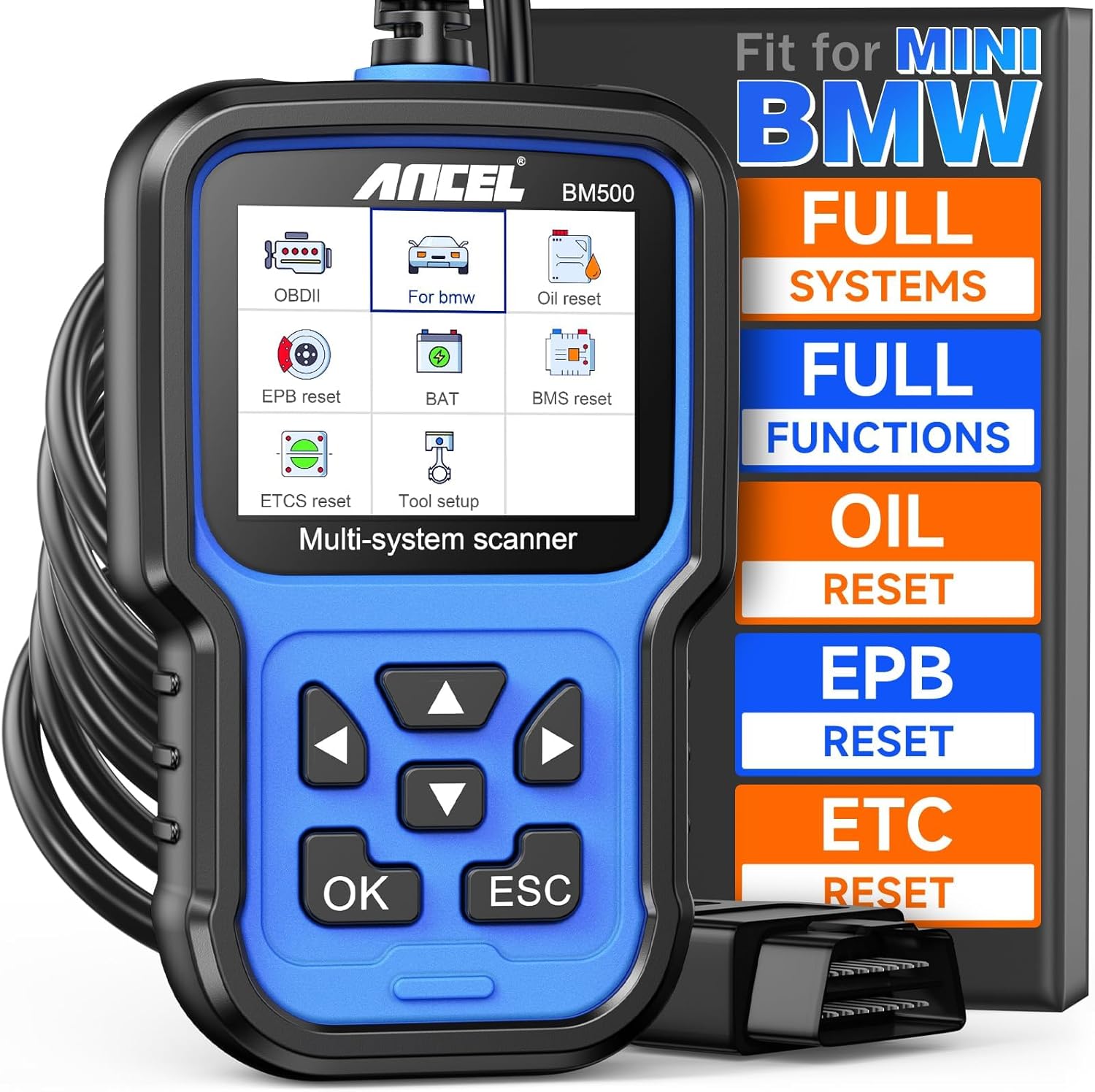
| ANCEL BM500 | Yes | Yes | Limited | Basic | No | ~$95 |
| Foxwell NT530 | Yes | Yes | Yes | Yes | No | ~$170 |
| Foxwell NT530 Plus | Yes | Yes | Full bidirectional | Yes | No | ~$170 |
| Autel MK808S | Yes | Yes | Full bidirectional | Yes | Limited | ~$449 |
| iCarsoft BMM V4.0 | Yes | Yes | Full bidirectional | Yes | Limited | ~$250 |
| ICOM Next + ISTA | Yes | Yes | Full | Yes | Full (all chassis) | ~$1100+ |
Generic OBD2 Reader
- DSC Fault Codes
- No (OBD2 codes only)
- Live Data
- No
- ABS Actuator Test
- No
- SAS Calibration
- No
- Module Coding
- No
- Price Range
- $20-80
ANCEL BM500
- DSC Fault Codes
- Yes
- Live Data
- Yes
- ABS Actuator Test
- Limited
- SAS Calibration
- Basic
- Module Coding
- No
- Price Range
- ~$95
Foxwell NT530
- DSC Fault Codes
- Yes
- Live Data
- Yes
- ABS Actuator Test
- Yes
- SAS Calibration
- Yes
- Module Coding
- No
- Price Range
- ~$170
Foxwell NT530 Plus
- DSC Fault Codes
- Yes
- Live Data
- Yes
- ABS Actuator Test
- Full bidirectional
- SAS Calibration
- Yes
- Module Coding
- No
- Price Range
- ~$170
Autel MK808S
- DSC Fault Codes
- Yes
- Live Data
- Yes
- ABS Actuator Test
- Full bidirectional
- SAS Calibration
- Yes
- Module Coding
- Limited
- Price Range
- ~$449
iCarsoft BMM V4.0
- DSC Fault Codes
- Yes
- Live Data
- Yes
- ABS Actuator Test
- Full bidirectional
- SAS Calibration
- Yes
- Module Coding
- Limited
- Price Range
- ~$250
ICOM Next + ISTA
- DSC Fault Codes
- Yes
- Live Data
- Yes
- ABS Actuator Test
- Full
- SAS Calibration
- Yes
- Module Coding
- Full (all chassis)
- Price Range
- ~$1100+
Budget Options for Reading Codes Only
If you literally just want to read DSC fault codes and don't need live data or actuation tests, the does BMW full-system code reading including the DSC module at a budget price point. It won't do ABS bleeding or live sensor data, but if your goal is to read a fault code before deciding whether to go to a shop or attempt a DIY repair, it gets you that information. The sits between the basic readers and the premium tools and covers most DSC service functions for standard E and F chassis work.
For G-chassis owners who primarily need coding capability for non-DSC functions but want a solid Bluetooth adapter for BimmerCode, the is the recommended hardware. BimmerCode itself doesn't handle DSC module replacement coding, but for other coding functions on G-chassis it's the right combination.
ABS Pump Bleeding - The Full Procedure
Bleeding the ABS modulator is mandatory after any DSC assembly replacement, and highly recommended after any hydraulic brake line work on the DSC circuit. It is not optional. Standard gravity bleeding or pressure bleeding from the reservoir will push fluid through the brake calipers and clean lines, but it will not push fluid through the modulator's internal solenoid valves. Air trapped in those internal passages will cause a spongy brake pedal that doesn't improve no matter how many times you bleed the calipers.
The correct procedure uses the bidirectional actuation test on a capable scan tool to cycle the ABS solenoid valves while you're bleeding. This opens and closes the internal modulator passages in sequence, allowing air to work its way out through the open bleeder screws. Here's the step-by-step process for E90 and F-chassis cars - the sequence is similar across chassis generations but the exact scan tool navigation varies.
Pre-Bleeding Checks
Before you start the bleed, confirm the brake fluid reservoir is filled to the MAX line. Use the correct BMW brake fluid specification - DOT4, but specifically BMW recommends their own high-performance DOT4 fluid (BMW part 81229407537) which has a higher wet boiling point than standard DOT4. You can use any quality DOT4 that meets FMVSS 116 DOT4 spec, but don't mix DOT3 into a BMW system. Check that all brake line connections to the new DSC unit are properly torqued - typically 12-15 Nm for the banjo bolt connections depending on the chassis. Confirm the ABS unit connector is plugged in and the system has power.
Manual Bleed First
Do a conventional brake bleed first to push most of the air and old fluid out of the system. Two-person bleed or a pressure bleeder both work. Sequence is rear-right, rear-left, front-right, front-left on most BMW chassis - some documentation specifies a different sequence, so verify for your specific car. Bleed until clear, fresh fluid runs from each caliper with no bubbles.
Scan Tool ABS Actuation Bleed
Connect your scan tool. Navigate to the DSC module - on Foxwell NT530 this is under Chassis, then DSC or ABS. Look for Special Functions or Actuator Tests. You'll find an ABS pump motor test and individual solenoid valve actuation tests. The procedure varies slightly by scan tool interface but the sequence is:
First, run the pump motor test. This confirms the pump motor is operating and creates pressure through the modulator. You'll hear the pump running - it's a buzzing/humming sound from the front-left engine bay. Run it for the duration specified in the scan tool prompt, usually 5-10 seconds. Have a helper watch the reservoir level and top up if needed.
Then run the solenoid valve actuation sequence. The tool cycles each internal solenoid while you have a bleeder screw open at the appropriate caliper. The sequence depends on which modulator circuit you're clearing. Follow the scan tool's guided prompts for which caliper to bleed at each step. You typically run through all four corners. Watch for air bubbles from the bleeders during valve cycling - when you stop seeing bubbles during actuation, that circuit is clear.
After the actuation bleed, do a final conventional manual bleed at all four corners to clear any residual air moved during the actuation procedure. Top up the reservoir, reinstall the cap, and do a gentle pump test on the pedal with the ignition on (not cranked) to confirm pedal feel. A firm pedal at 1/3 stroke or less is correct. If the pedal is still low, repeat the actuation bleed procedure.
Steering Angle Sensor Reset - Step by Step
The SAS reset is the single most frequently needed DSC service procedure after repairs. It's needed after any wheel alignment, any steering rack or column work, any DSC module replacement, and sometimes after battery replacement on chassis where the DSC system loses its initialization. Here's how to do it properly on the main chassis generations.
E90 SAS Reset Procedure
Connect your BMW scan tool (any of the tools listed above that support DSC module access). Turn ignition ON. Navigate to Chassis, then ABS/DSC. Go to Service Functions or Special Functions. Find Steering Angle Sensor Calibration or SAS Reset. The tool will confirm the current sensor status - you should see a flag indicating "not calibrated" or "reference value invalid" if the reset is needed.
Follow the on-screen prompts. The procedure typically asks you to center the steering wheel (drive straight or turn the wheel to center), then drive at low speed (under 25 km/h) in a straight line for approximately 15 metres, then complete a slow left and right turn or figure-eight. The DSC module uses wheel speed differential data during these maneuvers to calculate the true zero position of the steering angle sensor.
After the procedure completes, the scan tool confirms successful calibration. Clear any related fault codes. The DSC warning light should extinguish on the next ignition cycle, or after a short drive. If the light stays on, re-check that there are no additional faults stored alongside the SAS fault.
F30 and F-Chassis SAS Reset
The F30 and other F-chassis cars add a slight complexity because the Servotronic or EPS steering system integration means the SAS calibration affects steering feel tuning, not just DSC function. The procedure is essentially the same via scan tool - navigate to DSC module, special functions, SAS calibration - but confirm with the scan tool that both the DSC module and the EPS/Servotronic module show the calibration as complete. On F30 cars with variable sports steering, you may need to also reset the EPS zero point separately.
E46 SAS Reset
The E46 SAS procedure is simpler because the steering assist system on most E46 variants is conventional hydraulic, so there's no cross-module calibration to worry about. Use INPA or a compatible E46 scan tool, access the DSC module, and run the SAS calibration procedure. Turn the steering wheel lock-to-lock and back to center when prompted. That's generally sufficient for the E46.
DSC Module Replacement - DIY or Dealer
Replacing a BMW DSC module is a job that splits into two categories: the physical replacement and the coding. The physical job is well within DIY capability on E46 through F-chassis cars if you're comfortable with brake work. The coding step is where it gets complicated, and the complexity increases with chassis generation.
Physical Replacement on E90
Here's what the physical swap involves on an E90 as a representative example. First, clean around the brake lines where they connect to the DSC unit. Road dirt in the brake fluid is not your friend. Use brake cleaner and compressed air. Mark the line positions if they're not immediately obvious - they will be on close inspection but it's easy to mix up similar-sized lines on unfamiliar hardware.
Using flare nut wrenches, crack each brake line fitting loose. Have shop rags ready - brake fluid will drain. If you have a vacuum pump or a pressure bleeder, use it to pull fluid out of the reservoir first to minimize spillage. Remove all brake lines. Cap them immediately with plastic caps or clean rags to minimize air ingress and contamination.
Disconnect the main wiring connector(s) from the DSC module. On E90 this is typically a single large connector and a smaller secondary connector. Release the locking tabs carefully - they can be brittle on high-age cars. Remove the mounting bolts for the assembly (usually three bolts into the mounting bracket) and lift the unit out. Reverse the process for installation.
Torque the brake line fittings correctly - under-torque causes seeping, over-torque damages the soft fittings. Bleed the system using the full procedure described above. Do not skip the actuation bleed step on a fresh module install - there will be air in the internal modulator passages from the factory dry assembly.
Sourcing a Replacement Module
New OEM BMW DSC modules are available through BMW dealers and authorized BMW parts suppliers. The part number is VIN-specific for ordering purposes - the dealer will look up the correct unit for your chassis, engine, and specification. Expect to pay significantly for a new assembly - E90 units run several hundred pounds/dollars, and F-chassis units are more. A remanufactured unit from a reputable supplier is a cost-effective alternative if you're confident in the rebuild quality. Salvage yard units can work but remember that they'll need coding regardless, and you have no warranty on an unknown history unit.
For used units, prioritize matching the module generation exactly (MK60E1 to MK60E1, DSC10 to DSC10), and ideally match the same chassis variant to minimize the coding delta. A DSC module from a 335i E90 going into another 335i E90 of similar vintage needs minimal coding adjustment. A module from an X1 going into an E90 coupe is a longer coding session.
Coding After Replacement - The Reality
Let me be direct about this: every BMW DSC module replacement, on every chassis from E46 to current G-series, requires coding. There is no plug-and-play scenario. The coding requirement comes from several things. The module needs to receive the car's VIN and variant information to know which calibration parameters to apply. It needs to know whether the car has xDrive or not, what steering system it has, whether it has active roll stabilization, what the tyre specification is (yes, the DSC module factors in tyre rolling circumference for wheel speed calculations), and on M cars, the specific M DSC calibration. All of this lives in the coding data.
On E46, coding can be done with NCS Expert via a DCAN interface. If you're into E46 wrenching, learning NCS Expert is genuinely worthwhile - it handles most E46 coding needs including the DSC module. On E90, both NCS Expert and ISTA-D can handle DSC coding for standard variants. M variants (E92 M3) should go to ISTA-D or a specialist for coding. On F-chassis, ISTA-P is the correct tool for DSC module programming - NCS Expert won't handle it. On G-chassis, ISTA in programming mode with a server connection or a properly licensed offline setup is the only correct method.
For F-chassis owners who want to attempt the coding themselves, the
BimmerCode for DSC Functions - What It Can and Can't Do
BimmerCode is legitimately useful for a wide range of BMW coding functions on F and G chassis cars. If you're doing things like enabling video in motion, changing sport display parameters, or adjusting DSC warning sensitivity on some variants - BimmerCode can handle those. The

However, BimmerCode is not a DSC module replacement coding tool. It can adjust coding values within the existing module software, but it cannot flash new software to a blank DSC module, and it doesn't handle the full coding sequence required after a physical module replacement on F or G chassis. The coding data required after a DSC swap involves writing to protected memory regions and flashing calibration data that requires ISTA-level access. This is a firm boundary of BimmerCode's capability and the developers are clear about it.
What BimmerCode can do around DSC is adjust the behavior of the existing module - things like adjusting the MDC/DSC Sport threshold coding on M cars, enabling or disabling specific stability control features at the coding level, and modifying the DSC off button behavior. For a healthy DSC system where you want to tune the behavior, BimmerCode with an OBDLink CX is your tool. For module replacement, it's not.
xDrive and DSC Integration
BMW's xDrive all-wheel-drive system is deeply integrated with DSC on E70, E71, F15, F16, G05, and other AWD chassis. The DSC module doesn't just control brake-based yaw stabilization on xDrive cars - it actively communicates with the xDrive transfer case module (VTG - Verteilergetriebe) to coordinate torque split with brake intervention. When the DSC module detects an oversteer or understeer event, it both applies individual wheel braking and signals the VTG to bias torque front or rear to complement the brake correction.
This integration means that on xDrive cars, a DSC fault can also affect xDrive behavior. The VTG module may default to a fixed torque split in the absence of DSC module communication, which changes the car's handling character significantly. On E70 X5 and F15 X5 variants, a DSC fault combined with an xDrive fault is often the same root cause - check the DSC module first, because fixing the DSC fault typically resolves the secondary xDrive complaint.
The flip side is that xDrive-specific hardware - the rear driveshaft encoder ring, the VTG transfer case sensors - can generate inputs that cascade into DSC faults. A failing VTG encoder that sends erratic speed data can confuse the DSC module's wheel speed plausibility calculation. On xDrive cars with DSC faults, add the VTG system to your diagnostic scope from the start.
When to Attempt DIY Versus When to Go to a Specialist
I'll be honest here because I've seen people get themselves into expensive situations by underestimating the coding side of DSC work. The physical repair side is achievable for a competent DIY mechanic with basic brake system experience and the right tools. The coding side requires knowledge and tooling that goes beyond what most home garages have.
DIY-appropriate tasks that you can do yourself with BMW-specific scan tools include reading and clearing DSC fault codes, checking live sensor data, performing steering angle sensor resets, running ABS bleeding actuation tests, replacing individual sensors (yaw sensor, brake pedal travel sensor, wheel speed sensors), and on E46, swapping the separate ECU portion of the module without opening the hydraulic circuit. All of these are well within the capability of a serious enthusiast with a proper BMW scan tool. Tools like the or the
Tasks that should go to a specialist or require serious tooling investment include DSC module replacement on F-chassis (ISTA-P required for coding), DSC module replacement on G-chassis (ISTA with programming mode and server connection), any work on an M car's DSC calibration (M-specific coding parameters), and diagnosis of complex multi-system faults where the DSC module interacts with active suspension, variable steering, or hybrid drive systems. The labour cost at a specialist for coding a new F-chassis DSC module is typically one to two hours - that's your realistic alternative to a $1,100+ ISTA setup investment if you're only doing this once.
For the diagnosis phase before committing to module replacement, even on F and G chassis, a consumer scan tool absolutely suffices. The gives you BMW-specific system access at a mid-range price and is worth having for ongoing BMW maintenance beyond the DSC work. Use it to confirm the fault, rule out sensors and wiring, and make the go/no-go decision on module replacement before you're committed to the coding expense.
Preventive Maintenance and Keeping DSC Healthy
DSC systems are generally reliable and don't need scheduled maintenance the way fluids or wear items do. But there are a few things that extend DSC system life and prevent avoidable faults.
Brake fluid condition matters more for the DSC pump than for anything else in the brake system. Degraded brake fluid that has absorbed significant moisture has a reduced boiling point - that's the headline concern usually cited for brake fluid changes. But moisture-laden fluid also corrodes the internal precision surfaces of the ABS modulator over time. BMW recommends brake fluid replacement every two years regardless of mileage. On cars that haven't had the fluid changed in that interval, fresh fluid is cheap insurance for the DSC pump. The relevant BimmerTalk guide on brake-adjacent maintenance is the battery replacement guide which also covers the electrical health checks that matter for DSC module longevity.
Wheel speed sensors and their reluctor rings deserve periodic inspection. The tone rings (the toothed rings that the wheel speed sensors read) are pressed onto the CV joint housing or hub carrier depending on the corner and the chassis. Stone chips can damage individual teeth on the ring. Heavy brake dust contamination can cause the sensor gap to effectively increase, giving erratic speed readings. On E46 and E60 cars specifically, inspect the wheel speed sensor wiring for chafe marks where the harness routes near moving suspension components. The wiring on these cars is getting old and repairs are far cheaper than a DSC fault diagnosis misattributed to the module.
Battery health is directly linked to DSC health in a way most people don't appreciate. The DSC module is one of the more voltage-sensitive control modules on the car. BMW specifies a minimum voltage of approximately 9V for reliable DSC module operation during engine cranking. A weak battery that drops below this threshold during cranking can cause the DSC module to lose its initialization data, requiring a SAS reset and sometimes logging a spurious 5E20. If you're seeing recurring DSC faults on a high-mileage car, a load test on the battery is always step one. The BimmerTalk battery replacement guide covers BMW's registration requirement for new batteries - don't skip the battery registration step, as it also affects DSC system health through the power management system.
For cars that sit for extended periods - winter storage or second cars - the ABS pump motor is vulnerable to internal corrosion. The motor brushes can stick in humid conditions. If a stored car comes out of winter with a grinding noise during first ABS activation, that's usually the pump motor brushes freeing up and the noise typically disappears after a few ABS events. If the grinding persists, inspect the motor. Storing the car with a battery conditioner and keeping the garage reasonably dry goes a long way toward preventing this.
Cost Expectations for Common DSC Repairs
Real numbers, because that's what people actually need when deciding whether to DIY or pay a shop. These are approximate current figures for the UK and US markets - dealer prices skew higher, independent specialist prices are in the middle, and DIY brings the cost down to parts only.
Steering angle sensor reset - parts cost zero, scan tool time only. If you already have a BMW scanner, this is a free repair. At a dealer it's typically one hour labour, which in the UK runs around £100-130 and in the US anywhere from $120-180 depending on market. At an independent BMW specialist, expect roughly half the dealer rate. This is the clearest case for owning your own BMW scan tool - a single SAS reset pays for a mid-range Foxwell tool.
Yaw rate sensor replacement on E90 - the sensor itself runs approximately £60-120 depending on whether you go OEM BMW, Continental OE equivalent, or aftermarket. Two hours labour at a specialist to find, remove, and initialize the new sensor. Total at a specialist roughly £250-350. DIY parts only plus your own labour and scan time.
Brake pedal travel sensor on E90 - the sensor is inexpensive, typically £30-70. It's awkward to access but not a long job once you're in there. One hour labour typically. Total at specialist £150-250. Good DIY candidate.
Complete DSC module and pump assembly replacement on E90 - a remanufactured unit costs approximately £250-450 depending on the supplier and whether it comes pre-coded (some suppliers offer VIN-coded units, which is worth the premium). New OEM is £600+. Add two to three hours labour including bleeding at a specialist, plus the coding time, and you're looking at £600-900 all in at a specialist. DIY parts plus an independent coding session (typically one hour) gets you to £350-600 depending on parts sourcing.
F-chassis DSC assembly replacement - significantly more expensive due to part cost and coding complexity. New OEM F30 units are £800+. Coding at a dealer is an additional £150-250. Total dealer experience is eye-watering. An independent specialist with ISTA can bring total costs to a more manageable range. The case for investing in an ISTA setup (or the
Advanced Diagnostics - When the Simple Fixes Don't Work
If you've chased every sensor, verified power supply and grounds, done the SAS reset, and the DSC system is still misbehaving, it's time to go deeper. This section covers the less common but real scenarios that consume hours of diagnostic time on problematic DSC cases.
CAN Bus Integrity Checks
The DSC module communicates on the K-CAN or PT-CAN (depending on chassis) and a CAN bus fault - a damaged wire, a failed termination resistor, or a node that's dragging the bus - will cause seemingly random DSC behavior. The correct way to check CAN bus integrity is with a lab scope across the CAN-H and CAN-L wires at a convenient access point (the OBD port exposes CAN access). A healthy CAN bus shows a characteristic differential signal - CAN-H sitting around 2.5-3.5V, CAN-L around 1.5-2.5V, with clean transitions. A damaged bus shows reduced amplitude, excessive noise, or flat signals. This is genuinely advanced diagnosis and requires a lab scope (not a multimeter) to do properly. If the bus is compromised, every module on it can show spurious faults including the DSC module.
Ground Reference Checks
BMW's grounding architecture uses a main engine ground strap to the block, a chassis-to-body ground behind the driver's wheel arch, and module-specific grounds. The DSC module has its own ground path that can corrode independently. On E60 and E90 cars with any age on them, pulling the DSC module connector and checking ground resistance with a multimeter between the ground pin and a known-clean chassis ground point is a useful step. More than 1 ohm of resistance in a ground path is too much for sensitive electronics.
Intermittent Faults Under Thermal Load
Some DSC module failures are temperature-dependent. The module works fine cold, develops faults as it heats up, and clears again once cooled. This is a symptom of a failing internal component within the module - typically an intermittent solder joint or a failing capacitor on the module's PCB. Diagnosing this requires reproducing the fault while connected to a scan tool and watching for live data anomalies or fault codes that set specifically when the car is at operating temperature. If you can consistently reproduce DSC faults after a 20-minute drive but not during a cold start, the module hardware is the likely culprit.
Speed Sensor Ring Damage on Track Cars
For M cars used on track - E92 M3, F80 M3, F82 M4, G80 M3 - the ABS reluctor rings on the front driveshafts can take stone chip damage from the harsh environment. A chipped or cracked reluctor ring creates a speed signal dropout at the frequency corresponding to the damaged tooth, which the DSC module interprets as a wheel speed anomaly. This triggers DSC intervention at the wrong moments and can also log wheel speed sensor faults pointing at the sensor rather than the ring. Physical inspection of the reluctor rings with the wheel off is the only way to catch this. On track-prepared M cars, this is worth a visual check at every service. Track car maintenance connects into broader suspension and chassis health - check out BimmerTalk's coilover guide if you're setting up an M car for circuit work, as suspension changes also affect yaw sensor calibration requirements.
DSC and BMW Performance Modifications
If you're tuning your BMW - ECU tuning on a B58 G20 330i like mine, or running an S55-based stage 2 tune on an F80 M3 - there are DSC interaction points worth understanding. For context on performance tuning, see BimmerTalk's ECU tuning section and the coding and diagnostic tools overview.
An ECU tune that significantly raises torque output, especially a tune that modifies the torque model the DME reports to other modules, can interact with DSC intervention thresholds. The DSC module receives a torque request/delivery signal from the DME and uses it to anticipate traction intervention needs. If the DME is reporting torque values that don't match the tune's actual output, the DSC intervention can be poorly timed - either intervening too early (annoying) or too late (genuinely problematic). Quality BMW tune developers are aware of this and their calibrations include appropriate adjustments to the torque model.
Tyre changes also matter. If you fit wider tyres than OEM - a common modification on E92 and F82 cars - the rolling circumference changes. The DSC module uses stored tyre circumference data for its wheel speed calculations and yaw angle comparison. A significant rolling circumference change without updating the tyre parameter in the DSC coding can cause minor wheel speed plausibility faults over time. This is an easy coding update in BimmerCode for F and G chassis cars - the tyre size parameter is one of the accessible DSC coding values. On E-chassis cars, it can be updated via NCS Expert.
Lowering springs or coilovers change the car's roll stiffness, which changes the lateral acceleration profile the DSC module expects for a given steering input and speed. A heavily track-stiffened car will generate higher lateral acceleration numbers for the same speed and radius than a stock car. The DSC module's intervention model accounts for the stock suspension calibration, so aggressively stiffened cars can experience DSC intervention that feels incorrect in threshold. The correct solution is to recalibrate the DSC thresholds via coding to match the modified setup, which requires ISTA-level access. Most track users address this simply by using M Dynamic Mode or full DSC off in the appropriate environment rather than recoding the module.
Frequently Asked Questions
Can I drive my BMW with the DSC light on?
It depends on which light and what code. A yellow DSC light with no ABS light typically means the stability control function is unavailable but your base braking is intact. In that condition you can drive cautiously to a workshop, avoiding highways at speed and heavy rain where stability control would normally be earning its keep. A red ABS light means your anti-lock braking may be compromised - at that point, drive only if absolutely necessary and avoid emergency-stop scenarios at speed. A flashing DSC light during normal driving (not during hard cornering or acceleration) means the system is incorrectly seeing instability events and should be diagnosed before extended driving.
Why does my DSC light come on after a wheel alignment?
This is an SAS initialization issue, full stop. The wheel alignment procedure changes the steering geometry reference point, and the steering angle sensor's zero calibration (which was set to the previous geometry) is now incorrect. The DSC module detects the mismatch and illuminates the DSC warning. The fix is a steering angle sensor reset, which takes about five minutes with a BMW scan tool. There is nothing mechanically wrong with your car. This happens after virtually every wheel alignment on BMW E90 through G-chassis cars if the SAS isn't reset at the end of the alignment procedure.
What is the difference between a DSC module and an ABS module on a BMW?
On BMW E46 and earlier cars, there were technically separate hardware units - an ABS hydraulic modulator and a DSC ECU. From the E60/E90 generation onward, BMW integrates both functions into a single combined assembly. The "DSC module" is the entire unit including the hydraulic pump, the motor, the internal solenoid valves, and the electronic control unit. When BMW documentation or parts catalogs refer to the ABS module or the DSC control unit on an E90 or later car, they're referring to the same physical assembly. The DSC module handles ABS as a sub-function within the broader stability control architecture.
Do I need to code a replacement DSC module?
Yes, always. Even on E46 cars where coding is simpler. A replacement DSC module, whether new from BMW, remanufactured, or pulled from salvage, needs to be coded to your car's VIN and variant configuration before the system operates correctly. Without coding, the module may operate with incorrect tyre parameters, wrong stability threshold calibrations, missing xDrive integration data, or incorrect M-specific calibrations for M variants. On F and G chassis cars, an uncoded replacement module may not function at all - it sits in a "learn mode" and logs faults until coding is completed.
My DSC light came on after a battery replacement. What's happening?
Two things can cause this. First, the steering angle sensor loses its initialization reference when battery power is interrupted, and needs to be reset via scan tool. Second, on cars where the new battery hasn't been registered with the DME (all BMW E-chassis 2002+, all F and G chassis), the vehicle's power management system may be running the charging and electrical load strategy for the old battery specification, causing voltage instability that confuses the DSC module. Register the new battery using a BMW scan tool - most DSC-capable tools also support battery registration. Then do the SAS reset. Both steps together should resolve a post-battery-replacement DSC light. See the full procedure in BimmerTalk's battery replacement guide.
Can I clear a DSC fault with a generic OBD2 scanner?
Generic OBD2 scanners can only clear fault codes stored in modules that communicate over the standardized OBD2 protocol - primarily the DME for emissions-related codes. The DSC module communicates over BMW's proprietary protocol and its fault codes are not accessible via generic OBD2. You need a BMW-specific scanner. If you see DSC-related fault codes appearing on a generic scanner, they're actually DME codes that reference a stability control-related issue (like a throttle reduction request), not the DSC module's own fault memory. A proper BMW tool reads the DSC module directly. Entry-level BMW-capable options include the
How much does DSC module replacement cost at a BMW dealer?
Expect significant variation by country and dealer, but ballpark figures for the UK and US: E90 generation - parts £500-800 new OEM, labour two to three hours at £100-150/hr, plus coding time, total typically £900-1,300 at a main dealer. F30 and F-chassis - parts are higher (£800-1,200 for new OEM assemblies), similar labour rates, coding adds time, total at a main dealer £1,500-2,200. Independent BMW specialists with ISTA capability typically charge 30-40% less than main dealer rates for the same work, and the quality of an experienced independent who works on BMWs daily is often equal or superior. Getting a quote from two or three reputable independents before committing to a dealer for DSC module work is genuinely worth the effort.
Will DSC faults fail my MOT or state inspection?
In the UK, an illuminated ABS warning light is an MOT fail from the tester's visual inspection. A DSC-only yellow light without an ABS light is a more nuanced situation - the MOT standards require functional braking and ABS systems, and if the ABS is confirmed operational independently of DSC, the DSC-only fault is typically an advisory rather than an immediate fail. However, different testers apply this differently. In US state inspections, requirements vary by state but in states with safety inspections, an illuminated ABS light is generally a fail. Fix the fault before presenting for inspection.
What is DTC mode on a BMW and is it the same as DSC off?
DTC mode - Dynamic Traction Control - is not the same as DSC off. DTC is activated by a single short press of the DSC button on E90, F30, and most G-chassis BMWs. In DTC mode, the yaw stability control (the part that corrects oversteer and understeer through individual wheel braking) remains active. What changes is the traction control threshold - the system allows significantly more wheelspin before intervening. This is the preferred mode for sporty driving and track use where you want traction control present but not hair-trigger. Full DSC off (press and hold the button for three-plus seconds, or press twice depending on model) disables both traction control and yaw stability control, leaving only ABS active. M cars add a third mode in MDrive where DSC threshold is configurable.
My E92 M3 goes into DSC limp mode on track. What causes this?
The S65 V8 generates significant heat under track conditions, and the DSC module itself can develop temperature-related faults during extended hard use. The E92 M3's DSC module location in the engine bay exposes it to radiant heat from a hot engine at track temperatures. Additionally, the S65's high-rpm power delivery can cause rapid wheel speed transitions that the DSC module interprets as faults during hard launches or rapid power-on events in lower gears. The more common cause is wheel speed sensor contamination from track debris - inspect the tone rings after track days. For dedicated track use, consider whether the DSC module's heat exposure could be reduced through engine bay heat management. The broader topic of heat management on track BMWs connects to intercooler upgrades which reduce underhood temperatures overall.
Where is the yaw rate sensor in my BMW and can I replace it myself?
Location varies by chassis. On E46 and E60 cars, under the driver's seat or in the center console area. On E90 and E92, typically under the front seats - you need to slide the seat back to access it. On F-chassis cars, similar placement but with more varied mounting points by variant. On G-chassis, it's integrated into a combined dynamics sensor unit with slightly different mounting arrangements. Physically replacing it is DIY-accessible - it's usually two or three bolts and a single wiring connector. After replacement, the sensor needs initialization via a DSC system reset, and the SAS calibration should be confirmed. A BMW scan tool for live data is helpful to confirm the new sensor is reading plausibly after installation.
This is not a job that requires specialist tools for the physical work. The handles the subsequent system initialization and can confirm the new sensor's live output data. Make absolutely sure the sensor is mounted in the correct orientation - they're marked with directional arrows and orientation-sensitive by design.
Does BimmerCode work for DSC reset procedures?
BimmerCode with a compatible OBD adapter - like the for F and G chassis ENET access - can handle some DSC coding functions on F and G chassis cars. These include adjusting DSC coding values and in some cases the steering angle sensor calibration on specific chassis/software versions. It does not handle full DSC module replacement coding (flashing a new module), and its SAS reset capability is more limited than a dedicated scan tool. For F30 and G20 owners who want to do light DSC coding work, BimmerCode is a reasonable option. For anything involving physical hardware replacement, a proper bidirectional scan tool or ISTA is required.
Can a bad wheel bearing cause DSC faults?
Yes, significantly. A worn wheel bearing creates lateral play in the hub, which changes the physical gap between the wheel speed sensor tip and the reluctor ring. As the ring wobbles, the sensor signal amplitude drops and the DSC module interprets the erratic signal as a wheel speed fault. Additionally, the metallic particles shed by a failing bearing can contaminate the wheel speed sensor's magnetic pickup, causing signal degradation. On cars with wheel bearing wear, it's common to see intermittent wheel speed sensor faults before the bearing actually makes audible noise. If you have wheel speed-related DSC faults and the car is on the original wheel bearings above 80,000 miles, inspect the bearings. Suspension and bearing topics overlap with what you'll find in BimmerTalk's suspension section.
I hope this guide gives you a genuinely useful framework for understanding and actually fixing BMW DSC issues. The system is sophisticated but it's not mysterious - once you understand the hardware architecture and know which tool to use at each step, most DSC faults resolve predictably. For the sensor and initialization work, a good BMW-specific scan tool is your best investment. For module replacement on E-chassis, it's a solid DIY job with the right preparation. For F and G chassis coding, know your limits and use ISTA or a specialist with it. Drive safe, keep the shiny side up, and if you're on track - DTC mode, not full DSC off, until you really know the car.