BMW Engine Parts
Curated engine parts for every BMW model. Compare prices, check fitment, pick the right part for your build.
Affiliate disclosure. BimmerTalk is a proud partner of the Amazon Associates Program and Turner Motorsport. We may earn a small commission on qualifying purchases through our links, at no extra cost to you. Read the full disclosure.

Cold Air Intakes
Cold Air Intakes for BMW
Browse →Intercoolers
Intercoolers for BMW
Browse →Charge Pipes
Charge Pipes for BMW
Browse →Blow-Off & Diverter Valves
Blow-Off & Diverter Valves for BMW
Browse →Oil Catch Cans
Oil Catch Cans for BMW
Browse →Engine Oil
Engine Oil for BMW
Browse →Coolant & Antifreeze
Coolant & Antifreeze for BMW
Browse →Gaskets & Seals
Gaskets & Seals for BMW
Browse →Popular engine parts
A mid-tier mix from across our engine catalog so you can compare prices and brands without digging through every subcategory.



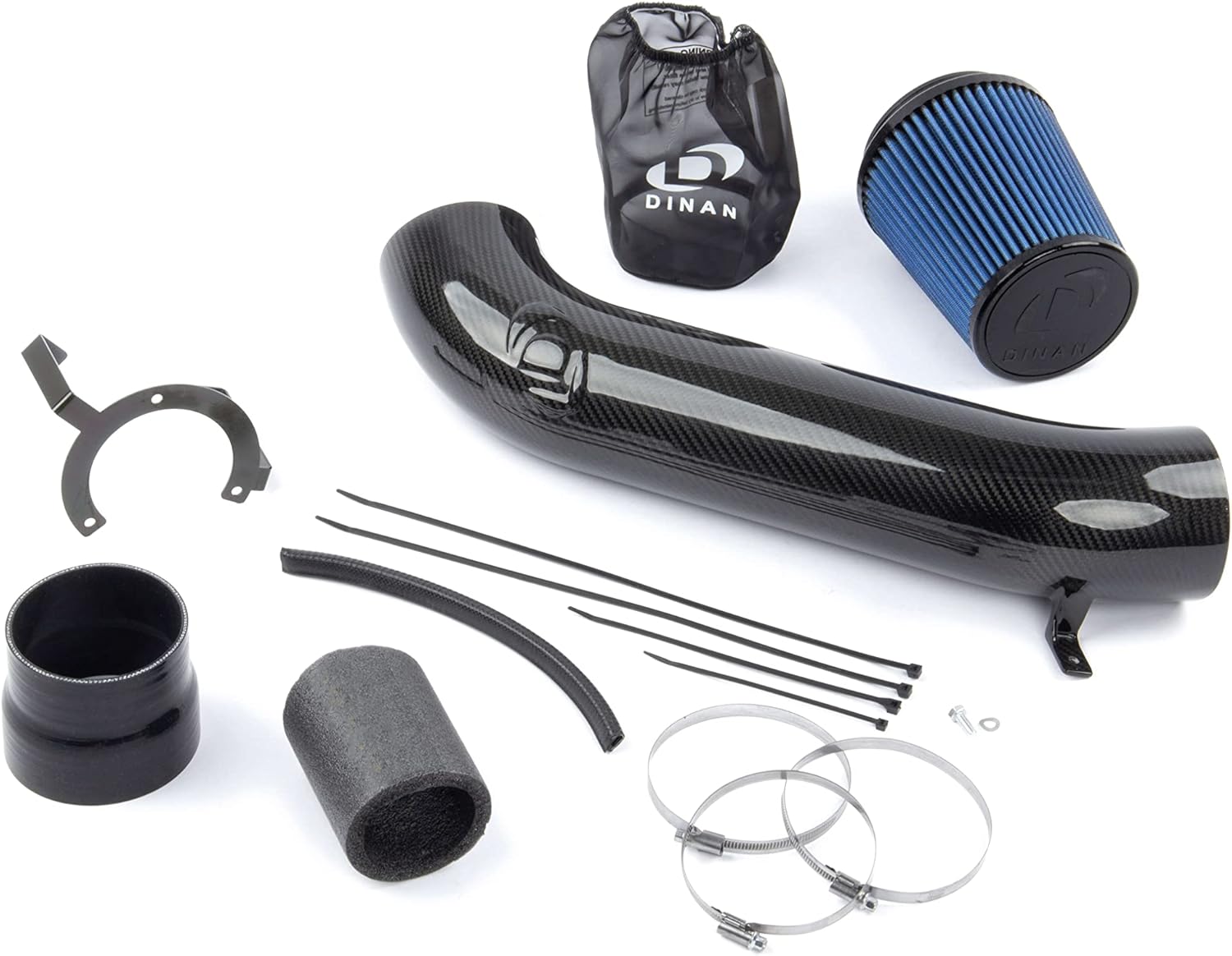


Mishimoto MMAI-F30-12P Performance Cold Air Intake for BMW F30 F31 F32 F36
Mishimoto
$453.95

Wagner Tuning Evo1 Competition Front Mount Intercooler — F2X/F3X N20/N55
WT WAGNERTUNING
$490.00

FTP Motorsport S55 Performance Charge Pipe and Boost Pipe Combo V2 for BMW F80 F82 F87
FTP Motorsport
$470.00


BMW Engine Upgrades - Where Real Performance Starts
If you've spent any time on BMW forums, you already know the engine bay is where most builds either come together or fall apart. Whether you're running a tuned N54 in your E90 335i, pushing the limits of a B58 in a G20 M340i, or extracting every last horsepower from an S55 in your F80 M3, the parts you choose under the hood have a direct impact on everything downstream - how the car pulls at 4,000 RPM, how it holds up on a track day, and whether your tune actually runs clean without knocking. This category covers the full picture, from the air entering your intake to the mounts keeping your engine planted.
Let's talk about the N54 for a second, because it's still one of the most modded BMW engines out there and a good reference point. Stock, it's already a solid twin-turbo inline-six, but the factory charge pipes are notorious for blowing off under boost. Upgraded charge pipes from brands like Burger Motorsports or TurboXS are legitimately one of the first things you should do before turning up boost - not after. Same goes for the blow-off and diverter valve situation. The stock diverter valves on N54-powered cars (E90, E92, 135i) are a known weak point. An aftermarket atmospheric or recirculating BOV isn't just about sound; it's about keeping your compressor surge in check when you lift off the throttle under boost.
Cold air intakes are another area where people go wrong. Not because intakes are bad - they genuinely help on turbocharged BMWs by giving the turbo a less restrictive path to pull from - but because a cheap open-element intake with no heat shielding on an F30 328i is going to soak up engine bay temps and actually hurt power in real-world driving. Look for intakes that include a proper heat shield or use a true cold air routing that pulls from outside the engine bay. Wagner Tuning, Eventuri, and aFe make solid options that are actually tested on dyno, not just designed to look good with the hood open.
The Parts That Don't Get Enough Credit
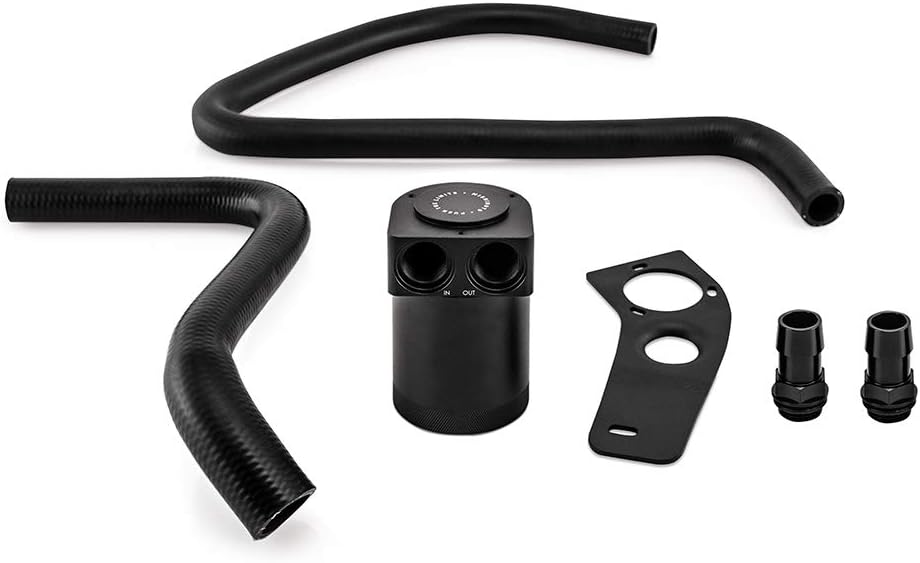
Everyone talks about intakes and exhausts. Fewer people talk about oil catch cans, and that's a mistake - especially if you own anything with a B46, B48, or B58 engine. BMW's direct injection setup means the intake valves don't get fuel washing over them like in older port-injected motors. Over time, carbon buildup on the intake valves becomes a real issue, and a quality catch can (Mishimoto and Baffled make good options for G-chassis cars) significantly reduces the oil vapors getting recirculated through the intake. It's a cheap, practical mod that pays off in longevity, not just power numbers.
Spark plugs and ignition are another area that's easy to overlook on a modified car. If you're running a stage 2 tune on a B58, you're asking more from those plugs than BMW ever intended. Going one step colder on heat range and shortening your service interval to around 20,000-25,000 miles instead of BMW's absurdly optimistic OEM recommendation is just smart ownership. NGK and Denso make the go-to options here, and the install on most inline-six BMWs is about as straightforward as engine work gets.
Engine mounts also deserve a mention. Worn rubber mounts on an E46 M3 or a tuned E92 M3 with an S65 translate directly into vague throttle response and sloppy power delivery. Solid or poly-filled mounts from Turner Motorsport or Powerflex change the character of the car noticeably. Fair warning though - if you daily drive in the city, fully solid mounts will transmit a lot more vibration into the cabin. Most people are better served with a poly option that stiffens things up without making the car feel like a go-kart on cobblestones.
One thing worth mentioning: engine work doesn't happen in isolation. If you're adding a cold air intake, upgrading your intercooler, and swapping injectors on a tuned setup, you need to be talking to your tune at the same time. Hardware changes on a modified car without corresponding ECU and software adjustments is how you end up with a car that runs worse than stock. Don't skip that step.
Building Smart, Not Just Fast
The best BMW engine builds are methodical. Start with the fundamentals - catch can, spark plugs, charge pipes on boosted cars - before chasing big power numbers. If you're putting down 450whp on a built B58, you also need to think about whether your braking system is keeping up, and whether your suspension and wheel and tire setup can actually put that power to the ground without things getting sketchy. Power is only useful if the rest of the car is ready for it.
Everything in this category has been selected with real-world BMW ownership in mind - fitment by chassis code, parts that are actually proven on these platforms, and options across different budget ranges. Whether you're building a reliable daily with a little more pull or going all-in on a dedicated track car, you'll find what you need here.
Engine guides
Hands-on advice and buyer's guides for BMW engine.


Browse other categories
Builds usually overlap. Here is what BMW owners pair with this most often.