
Best Downpipe for BMW N54 - Catless and Catted
Affiliate disclosure. BimmerTalk is a proud partner of the Amazon Associates Program and Turner Motorsport. We may earn a small commission on qualifying purchases through our links, at no extra cost to you. Read the full disclosure.

The first N54 downpipe install I ever did was on a 135,000-mile 2008 E92 335i. The owner told me it would be a relaxed weekend job. I had a lift, I had PB Blaster, I had done a dozen N55 downpipes and figured the twin-turbo N54 would just be double the effort. Six hours later I was staring at three snapped lower manifold nuts, two F-bolts rounded past the point of a six-point socket, and a lower O2 sensor that refused to come out of its bung without the threads coming with it. That car taught me more about N54 exhaust hardware in one Saturday than any YouTube video ever did, and every N54 I have touched since has gotten the full two-night PB Blaster soak, new OEM V-band clamps, a box of fresh gaskets, and a backup plan for a drill and tap set. You need to hear that story before anyone sells you a downpipe.
The internet will tell you this is a 2-4 hour DIY. On a 60,000-mile car it can be. On a 150,000-mile car it is a full weekend, and on anything with road salt in its history it is a shop job. I have been wrenching on BMWs for five years, I spent several of those years inside a dealer service department, and I daily a G20 330i with full bolt-ons. The N54 downpipe is the single best power-per-dollar mod you can bolt to this engine and I will stand by that - but only after you understand what is actually involved and which brand is the right match for how you drive the car.
This is the complete guide. Catted versus catless, VRSF versus Fabspeed, the real dyno numbers from actual logs instead of marketing PDFs, the F-bolt disaster, the MHD aftermarket DP checkbox that saves your sanity, the California CARB reality, the UK MOT problem, and the decision tree that tells you which pipe to buy based on how you use the car. By the end you will know what to order, in what order to install the supporting mods, and which corner of the install is going to bite you.
+25-35 whp (with Stage 2)
Catless Power Gain
5-10 whp only
Catted vs Catless Delta
6-10 hours first time
Install Time DIY
80% clean dash
CEL Fix Rate MHD Flag
| Brand | Model | Cat | Cells | Material | Connection | Price | Warranty | Notes |
|---|---|---|---|---|---|---|---|---|
| VRSF | Gen 2 Catless | No | 0 | 304SS | V-band | $549-649 | Lifetime | Community standard |
| VRSF | Gen 2 Catted | 300-cell | Metallic | 304SS | V-band | $749-849 | Lifetime | Best daily pick |
| FTP | Street | Catted | 200-cell | 304SS | V-band | $675 | 2yr | Budget pick |
| Fabspeed | HJS 200-cell | Yes | HJS Euro 6 | 304SS | V-band | $1,599-1,799 | 3yr | Premium daily |
| Active Autowerke | Signature | Catted | HJS | 304SS | V-band | $1,249 | 2yr | Refined sound |
| ETS | Race | No | - | T304 | V-band | $1,499 | Race only | 3.5 inch single turbo |
VRSF
- Model
- Gen 2 Catless
- Cat
- No
- Cells
- 0
- Material
- 304SS
- Connection
- V-band
- Price
- $549-649
- Warranty
- Lifetime
- Notes
- Community standard
VRSF
- Model
- Gen 2 Catted
- Cat
- 300-cell
- Cells
- Metallic
- Material
- 304SS
- Connection
- V-band
- Price
- $749-849
- Warranty
- Lifetime
- Notes
- Best daily pick
FTP
- Model
- Street
- Cat
- Catted
- Cells
- 200-cell
- Material
- 304SS
- Connection
- V-band
- Price
- $675
- Warranty
- 2yr
- Notes
- Budget pick
Fabspeed
- Model
- HJS 200-cell
- Cat
- Yes
- Cells
- HJS Euro 6
- Material
- 304SS
- Connection
- V-band
- Price
- $1,599-1,799
- Warranty
- 3yr
- Notes
- Premium daily
Active Autowerke
- Model
- Signature
- Cat
- Catted
- Cells
- HJS
- Material
- 304SS
- Connection
- V-band
- Price
- $1,249
- Warranty
- 2yr
- Notes
- Refined sound
ETS
- Model
- Race
- Cat
- No
- Cells
- -
- Material
- T304
- Connection
- V-band
- Price
- $1,499
- Warranty
- Race only
- Notes
- 3.5 inch single turbo
Why an N54 Downpipe is the Single Best Value Mod Under $1,000
If you handed me $800 and a stock N54 335i and told me to pick one bolt-on, I would put every dollar into a downpipe before I touched the intake, the intercooler, or the catback. The reason is simple. The factory cats on this engine are the largest single restriction in the entire exhaust system and they sit in the worst possible place - directly downstream of both turbos, where exhaust gas velocity is highest and back pressure matters most for spool. Every psi of back pressure above the turbine wheels delays spool and compresses the usable torque curve.
Stock the N54 puts down 260 to 280 wheel horsepower on a Dynojet. That is already underrated - BMW advertised 300 crank horsepower knowing full well most cars made closer to 320. The tuned N54 is famous for flashing to 330 wheel horsepower on a Stage 1 MHD map with the stock downpipe, then jumping to 360-375 wheel on Stage 2 the moment you bolt on a 3 inch downpipe. That is 30-45 wheel horsepower from one part. No other bolt-on on this engine comes close to that power per dollar.
The secondary benefits are what keep the part on the car long term. Turbo spool improves by 300-500 RPM, which transforms the low-end feel of the engine. The mid-range torque curve broadens. The car pulls harder between shifts. And in my personal opinion - yes, the correct tune with a catted 300-cell downpipe sounds like an N54 should sound, not like a muffled diesel.
For a full pre-build roadmap that places the downpipe in context with the rest of the mod list, see my first bolt-on guide for the 335i. If you are not sure whether the N54 is even worth buying in 2026 given its well-documented weak points, read my 335i common problems breakdown first.
Catted vs Catless - the Decision That Determines Everything Else
This is the first question to answer and it reshapes every other choice you make. Catted and catless are not two points on a spectrum - they are two different products with two different ownership experiences.
What catless actually gets you
A catless downpipe is a 3 inch mandrel-bent 304 stainless tube with no catalyst inside. It replaces the entire factory downpipe including the pre-cat and main cat. Power-wise, catless makes 5 to 10 wheel horsepower more than a high-flow catted pipe at the same boost and tune. That is it. Five to ten horsepower. Less than half of a Stage 1 gain. For that 5-10 whp you get a permanent fuel smell at cold start, drone between 1,800 and 2,200 RPM on the highway, a guaranteed visual fail in any emissions-inspection state, and a check engine light that requires either a tune flag or an O2 spacer to hide.
What catted actually gets you
A high-flow catted downpipe runs either a 200-cell or 300-cell metallic sport catalyst. Gas flow through a good 200-cell HJS cat is 90-93% of a straight pipe. Flow through a 300-cell is 85-90%. That 10-15% flow penalty costs the 5-10 wheel horsepower mentioned above. In exchange, you get a clean cold start, no fuel smell, no highway drone from the cat's passive resonance effect, catalyst readiness that can set in most tunes, and the ability to pass visual in every state that allows aftermarket exhaust. In California you still technically fail because no N54 downpipe has a CARB EO number - but that is a labeling problem, not a performance problem.
The honest 5-10 whp reality
The e90post thread on catted vs catless (Hit 975249) has over 400 posts and the consensus is clear. At Stage 2 on 93 octane the delta is 5-10 wheel horsepower. At Stage 2+ on E30 blend the delta grows to 8-12 whp because the catless path allows slightly higher peak boost before the tune pulls timing. At Stage 3 with a single turbo the delta becomes meaningless because you are already throwing away spool for peak flow. Nowhere in the normal tuning ladder does catless give you more than about 10 wheel horsepower. Keep that number in your head when you compare prices.
Sound and drone reality
Catless plus a factory catback is tolerable on the highway but fatiguing. Catless plus a resonator-delete aftermarket catback is punishment. The 2,000-2,200 RPM drone at highway cruise gets into your chest after an hour and does not leave. Owners who buy catless at 25 love it, owners who buy catless at 35 sell the car or swap back to catted within 18 months. I have done at least four catless-to-catted swaps for customers who regretted the decision, and every one of them said they should have gone catted from the start.
Brand Tier Comparison
The N54 downpipe market has consolidated around six brands that matter. Below is the tier-by-tier breakdown. Prices are April 2026 street prices observed across VRSF direct, Turner Motorsport, ECS Tuning, and Fabspeed direct.
Budget tier - FTP Motorsport and Turner store brand
FTP Motorsport makes a 304 stainless catless N54 downpipe that is - to my eye under the car - almost indistinguishable from a VRSF Gen 2. Same cast bell mouth, same integrated flex joint, same V-band to turbo, same flange to mid-pipe. Warranty is 2 years vs VRSF's lifetime, and FTP tends to price $50-100 below VRSF at any given moment. If your VRSF order would take 6 weeks to ship and FTP is in stock and $75 cheaper, buy the FTP. There is no meaningful quality delta.
Turner Motorsport's store-brand pipe is a private-label contract-manufactured unit that sells in the $529-629 range. Quality is acceptable, not exceptional. Warranty is 1 year. This is the pipe I recommend only if it is on sale below $500 and you are on a tight budget. At MSRP, pay the extra $50 for VRSF.
Mid tier - VRSF Gen 2 (the community standard)
VRSF has sold thousands of N54 downpipes. That is not marketing - forum threads span a decade of owners running VRSF Gen 1, then Gen 2, with the Gen 2 cast bell mouth fixing the V1 fitment complaints at the turbo outlet. The Gen 2 catless is $549-649, the Gen 2 catted with 300-cell metallic cat is $749-849. Lifetime warranty, and VRSF actually honors it - there are forum posts of VRSF replacing pipes 5+ years out.
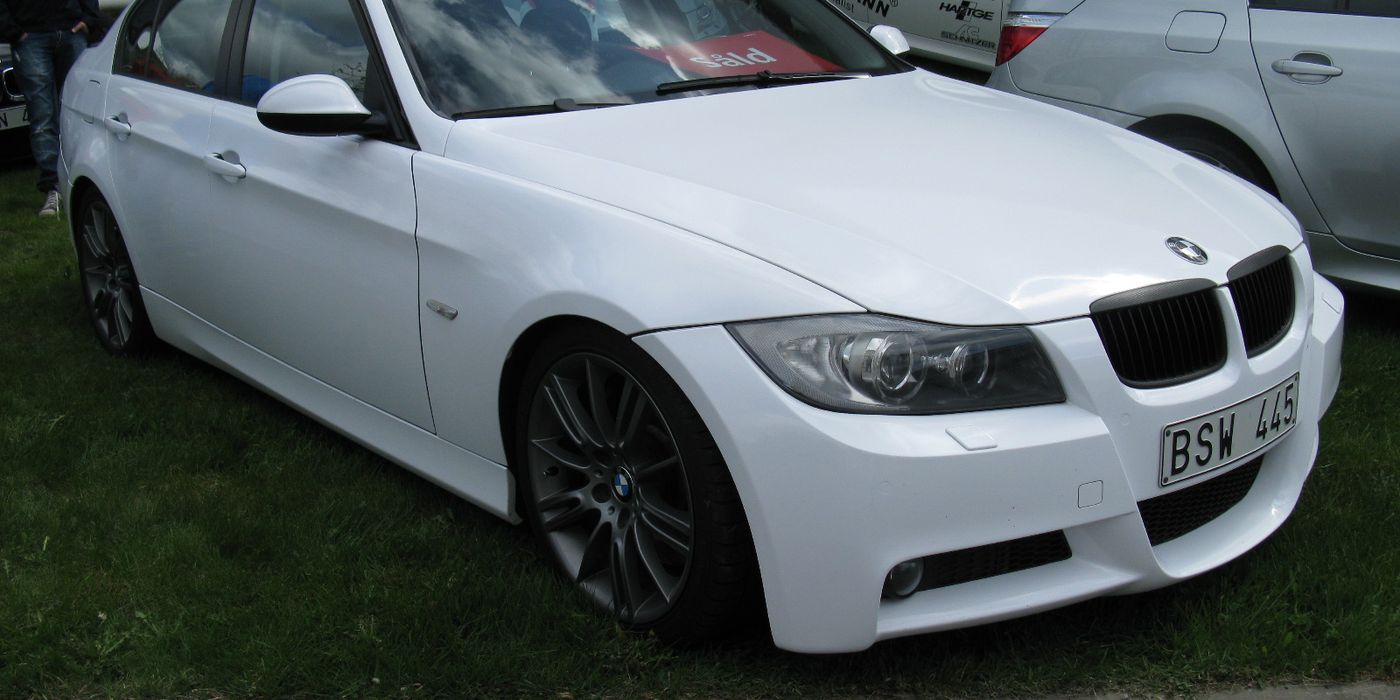
This is the default pick for 75% of N54 builds. It is not the cheapest, it is not the most premium, it is the one I recommend to a friend who asked me "just tell me what to buy." 304 stainless, cast bell mouth at the turbo, mandrel-bent 3 inch tube, integrated flex joint, V-band at turbo, 2.5 inch flange at mid-pipe. It fits the RWD and xDrive chassis, it fits every N54-powered car from the 135i to the 535i to the Z4 35is, and the install instructions match what is actually on the car.

VRSF 4" Turbo Downpipe for BMW N55 M135i M235i 335i 435i M2 F30/F20
$265.98
Premium tier - Active Autowerke and Fabspeed HJS
Active Autowerke's Signature catted pipe is $1,149-1,249 with a 200-cell HJS sport cat and a tuned drone profile that is noticeably quieter at 2,500 RPM than any VRSF catted. The price premium over VRSF is roughly $400 and you are paying for sound refinement and fit, not power - power is within 2-3 whp. AA has a 40-year BMW performance pedigree and the product reflects it.
Fabspeed's HJS 200-cell Euro 6 downpipe at $1,599-1,799 is the premium pick for owners who daily the car in an emissions-sensitive state. The HJS cats are German-made Euro 6 homologated and flow 90-93% of straight pipe. That is the best high-flow cat on the market. Flow penalty vs catless is effectively zero for the 5-10 whp that matters, and you get a readiness monitor that sets cleanly on every tune. Price premium over VRSF catted is $800-900, and it is the right answer if you live in NY, NJ, CT, MA, or any other strict-inspection state and you daily the car year-round.
Race and single-turbo tier - ETS and Doc Race
The ETS 3.5 inch race downpipe at $1,100-1,300 exists for one reason - single turbo kits. On stock twin turbos the 3.5 inch pipe reduces exhaust gas velocity enough to slow spool by 400-600 RPM, which makes the car feel slower in the real world despite showing bigger peak numbers on a dyno. Do not buy ETS 3.5 on stock twins. When you go to a Pure Turbos single, VTT single, or Doc Race STK single turbo kit, this pipe becomes the correct choice.
Doc Race makes a purpose-built downpipe that mates specifically to their twin-scroll T4 single turbo kits. If you run Doc Race STK, this is the pipe. It is not a standalone product for twin-turbo cars. For the full single-turbo discussion, read my N54 single turbo upgrade guide.
Full system tier - Akrapovic Evolution
Akrapovic's Evolution downpipe pair for the N54 is $2,199-2,499 in titanium, hand-welded in Slovenia, and only makes sense as part of the full Evolution Line titanium catback. At that tier you are saving 12-21 kg over stock with the full system. Buyers at this price point are not cross-shopping VRSF and they should not be - this is a lifestyle part, not a value calculation.
VRSF Gen 2 Deep Dive - Why It Became the Community Standard
I install VRSF Gen 2 N54 pipes more often than every other brand combined, and the reason is simple - the product is right and the price is right. Let me break down exactly what you get for $549-849.
The cast bell mouth
The turbo outlet on the N54 is a tight 3D curve. The Gen 1 VRSF used a formed sheet-metal transition that worked but had fitment variation at the V-band. The Gen 2 replaces that with a true cast 304 stainless bell mouth that is dimensionally identical to the factory geometry at the flange face and then smoothly transitions into the 3 inch mandrel-bent tube. Fitment at the V-band is perfect on every car I have done, including xDrive builds where clearance to the front driveshaft is tight.
The flex joint
The integrated stainless flex joint lives about 18 inches downstream of the turbo outlet and absorbs the ~6mm of thermal and torsional movement between the engine and the chassis. Skipping the flex joint is the fastest way to crack a downpipe at the first weld inside 20,000 miles. VRSF's flex joint is overbuilt - I have pulled Gen 2 pipes with 80,000 miles on them and the flex was still tight.
V-band at turbo, flange at mid-pipe
V-band at the turbo outlet is the right call because it allows rotational indexing during install. You tighten the V-band just snug, drop the rear flange onto the mid-pipe, torque the rear flange, then come back and fully torque the V-band. Flange-to-flange downpipes (like the Active Autowerke layout) are harder to index and more likely to leak at the turbo outlet on an imperfect install.
Warranty and support
The lifetime warranty against defects and fitment is genuine. VRSF's RMA process is painful - it can take 2-3 weeks - but they honor claims. I have seen them replace pipes 5+ years out for flex joint cracks. That matters when you are spending $600-850 on a part that will outlive most of the rest of the exhaust system.
Fabspeed HJS Deep Dive - Why the Premium Pick is Worth It
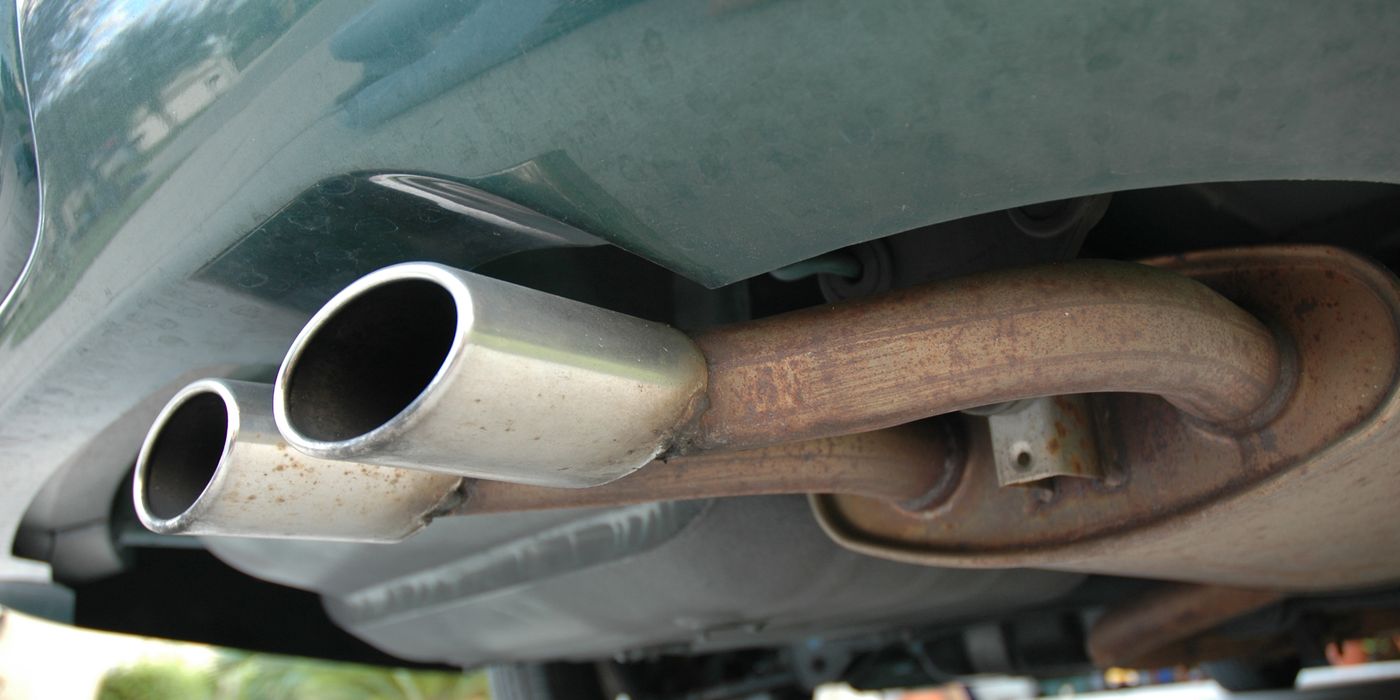
If VRSF is the default pick, Fabspeed's HJS 200-cell is the premium answer. I have installed eight of these and every owner has come back saying the same thing - the car drives like it should have left the factory this way.
HJS Euro 6 200-cell cats
HJS is a German catalyst manufacturer that supplies the aftermarket and several OEM applications across Europe. Their 200-cell Euro 6 substrate flows 90-93% of straight pipe measured on a flow bench. The comparable VRSF 300-cell metallic flows 85-88%. On paper the difference is 5-8% flow; on a dyno that translates to about 3-5 wheel horsepower. The real reason to buy HJS is not horsepower - it is that the catalyst actually works. It reduces CO, HC, and NOx to levels that pass European emissions testing for certified Euro 6 vehicles, which is the same test philosophy as US OBD2 readiness monitoring. A car with HJS cats and the stock DP tune map will set catalyst readiness and pass OBD sniffer tests in every state that allows aftermarket exhaust.
CNC-machined flanges and V-band
The machining tolerances on Fabspeed pipes are noticeably tighter than anything else in the tier. V-band flanges drop onto the turbo outlet with zero fiddling. The downpipe-to-mid-pipe flange mates flat to the factory mid-pipe with no wedging, no warping, no re-torquing after the first heat cycle. This is what you pay the extra $800 for.
Sound profile
The HJS 200-cell creates a slightly louder, slightly more aggressive exhaust note than a 300-cell VRSF because the cat substrate is looser-packed. Pops and crackles on overrun with a flash tune are more pronounced. Drone is still well controlled because the cat still acts as a passive resonator. Wide-open throttle sound is a proper inline-six bark with turbo whistle sitting on top of it. This is my favorite sounding daily-driver N54 setup.
When Fabspeed is the wrong answer
If the car is a weekend toy that lives in a state with no emissions inspection, Fabspeed is over-engineered for your use case and VRSF Gen 2 catless for $550 will make you just as happy. If the car is a race-only build headed to single turbos, Fabspeed is the wrong tier entirely - buy ETS or Doc Race. Fabspeed's sweet spot is the FBO daily driver in a strict-inspection state.
Power Gains Reality - What Dynos Actually Show
Marketing pages quote peak numbers. Owners care about torque curves. Here is what actual dyno pulls from the N54 community show at each stage.
Stock versus downpipe-only (no tune)
Catted high-flow downpipe only, stock tune - +10 to +15 wheel horsepower, +15-20 wheel torque. Most of that gain sits in the 2,500-4,000 RPM band where stock cats choke the twin turbos. Catless downpipe only, stock tune - +15 to +20 whp, +20-25 wtq. Both configurations make the car feel noticeably quicker in the midrange even without a tune, which is why the downpipe-first strategy works.
Downpipe + MHD Stage 2 on 93 octane
Stock DP + Stage 1 = approximately 330 whp, 340 wtq. Catted DP + Stage 2 = 360-375 whp, 380-405 wtq. Catless DP + Stage 2 = 365-385 whp, 385-420 wtq. Delta between catted and catless at Stage 2 is 5-10 whp and 5-15 wtq. Every one of these numbers assumes the supporting mods are in place - charge pipe, intake, fresh spark plugs, and at least the stock intercooler not saturated.
Downpipe + MHD Stage 2+ on E30 blend or meth
Catless DP + Stage 2+ = 395-420 whp on stock turbos, fueling-limited. Catted DP + Stage 2+ = 385-410 whp. The fueling limit matters more than the exhaust at this stage - once you are past 400 wheel horsepower on stock twins you are asking about port injection, aux fuel, or fuel pump upgrades. For that discussion, see my BMW tuning 101 overview.
Why the delta is so small
An honest 200-cell HJS sport cat flows around 91% of straight pipe. A 300-cell metallic flows around 87%. On a stock-twin N54, exhaust flow is not the first limit you hit - that would be wastegate actuation, fuel supply, and turbo compressor efficiency. The cat adds 5-10% to exhaust back pressure, not 50%. The power cost shows up as a 5-10 whp delta, not the 30-50 whp delta people imagine.
Install Guide - What 2-4 Hours Really Means
This is the section most guides skip. I am going to walk through the install exactly how I do it on a lift, call out every place a first-timer gets stuck, and tell you how to prepare so you do not snap fasteners that turn a weekend into a three-day nightmare.
Two nights before - PB Blaster the F-bolts
Put the car on ramps or a lift two evenings before you plan to start. Spray every single lower manifold nut and exhaust stud thread with PB Blaster or Kroil. Hit them again before bed. Hit them again the next morning. Hit them one more time the night before the install. This is not optional on a 100,000-mile car. I have seen owners skip this step on a 150,000-mile N54 and snap 6 of the 18 lower manifold nuts. That turns a downpipe job into a head-removal job, which is an insurance-claim-level repair.
Manifold nut reality - the F-bolt problem
The N54 uses M6 copper-plated nuts on the exhaust manifold studs. "F-bolt" is the forum slang for these because of how often they fail. The copper plating bonds to the stud threads through 150,000 miles of heat cycles. A 6-point socket on a 3/8 drive ratchet with gentle pressure is the correct tool. A 12-point socket is the wrong tool - the flats round off before the nut breaks loose. If a nut will not move with firm hand pressure on a short ratchet, stop immediately, heat the nut with a MAP torch for 20 seconds, let it cool to where the copper color is gone, and try again. Do not muscle it. A snapped stud in the head means pulling the manifold, drilling the stud, and tapping. That is a 6-hour detour.
Heat shield bolts
There are two heat shields over the downpipes. The bolts closest to the firewall are accessible from the top of the engine bay through tight gaps. The bolts at the transmission crossmember are almost impossible to reach from either side. The community fix on the rear inaccessible bolt is to bend the shield back by hand just enough to work it past the bolt head, break it free by feel, and leave that specific bolt out on reassembly. The shield stays in place on the remaining hardware. Every N54 tech I know does this. Accept it.
O2 sensor removal - four sensors, two can strand you
There are four O2 sensors - two pre-cat upstream, two post-cat downstream. Unplug each electrical connector before you wrench on the sensor body. Use a proper 22mm slotted O2 socket. Never use a crow's foot wrench - it will round the hex before the sensor breaks loose. If a sensor will not move, spray the base with PB Blaster, let it soak 30 minutes, try again. If it still will not move, do not fight it. Leave the old pipes on, drive the car 15 minutes to heat the sensor, and try immediately while it is hot. A snapped O2 sensor means drilling and tapping the bung, which kills a weekend.
V-band torque and flex joint orientation
Bolt the pipes up loose to the turbos first. Orient the flex joints vertically aligned with the car's centerline - they flex along their long axis and you want that axis aligned with the direction of thermal growth. Loosely bolt the rear flange to the mid-pipe. Walk around the car once, check every clearance - especially trans crossmember, driveshaft, subframe. Torque the rear flange first at 22 Nm (this is critical - 28 Nm as some aftermarket instructions specify will crush the donut seal and it will leak). Then torque the V-bands at the turbo outlets to spec. Then double-check the flex joint is not torsionally loaded.
OEM gaskets are single-use
The donut seal at the downpipe-to-midpipe joint is BMW part 18307553601. Buy two. Never reuse the old one - they crush asymmetrically and leak even if they look OK. This is the #1 cause of post-install exhaust leaks. Most VRSF and FTP kits include one gasket. Order a second before you start the job.

BMW N54 Downpipe Flange Gasket for Exhaust Repair
$13.58
Time budget and what it actually costs
Novice with hand tools on jack stands - plan a full weekend, 12-16 hours of actual work spread across two days. Competent DIY with a lift - 4-5 hours. Shop install - $400-600 labor on top of the hardware. If the car has 120,000+ miles and lives in the salt belt, double these numbers.
CEL Fix Strategy Matrix
A catless downpipe guaranteed throws codes 29F4 and 29F5 (catalyst efficiency below threshold) on every tune you flash. A catted 200-cell sometimes throws them on aggressive maps. There are four strategies to fix the CEL and they are not equal.
Strategy A - MHD aftermarket DP flag (best)
MHD Flasher has a checkbox in the flash tool labeled "aftermarket DP" or similar depending on version. Selecting it rewrites the DME's catalyst efficiency monitor thresholds so codes 29F4 and 29F5 never trigger. Dash stays clean forever. This is the cleanest solution - no hardware, fully reversible, and costs nothing if you were buying the MHD license anyway. The catch is that the catalyst readiness monitor will never set. In states that allow one incomplete monitor (most US states), catless plus MHD aftermarket DP flag passes emissions. In strict counties (parts of California, some NY metro counties, parts of MA), it does not.
Strategy B - JB4 automatic clear
JB4 can auto-clear catalyst codes through its CAN interface. The implementation is less clean than MHD because JB4 is piggyback and rides over the top of the stock DME logic rather than rewriting it. The codes re-set and re-clear constantly, which can mask real problems. Only use JB4 CEL suppression if you are running JB4 as your primary tune. If you are on MHD, use the MHD flag instead.
Strategy C - O2 spacers (Palenon mini-cat)
A mechanical spacer holds the post-cat O2 sensor away from the exhaust stream. Exhaust gas reaches the sensor more dilute and cooler, which mimics a healthy catalyst downstream reading. Palenon Performance sells the purpose-built pair for $60. Cheap Amazon non-foulers fit but often foul into the steering shaft knuckle - do not use them. Advantages - works with any tune, readiness can actually set, hardware solution that outlasts any flash. Disadvantages - aggressive tunes still trip codes, some state readers detect the trick on advanced inspections, clearance can be tight on xDrive cars.
Strategy D - O2 resistor harness (avoid)
Electrical voltage-spoof harness. Very 2010s technology. Modern DMEs detect the spoof pattern and the harness resistance drifts with temperature. Reliability is poor and false-positives on modern smog readers are high. Not recommended in 2026.
Recommended stack
For 80% of N54 owners running catless - MHD Stage 2 with aftermarket DP flag checked, plus Palenon O2 spacers as belt-and-suspenders for state inspection. For catted DP owners - MHD Stage 2 with the stock-cat DP flag, no spacers needed. For JB4-only builds - JB4 catalyst code auto-clear enabled.
Sound and Drone Profile
This is the part buyers most often regret getting wrong. A $600 pipe that forces you to listen to drone 2 hours a day on the commute is a worse investment than a $900 pipe that lets you hear the podcast.
At 70 mph highway cruise
Catted 300-cell + factory catback - near-stock drone profile, minimal 2,200 RPM resonance, barely louder than a stock N54. This is what you want for a commuter. Catless + factory catback - 2,200 RPM drone is audible and present. Not unbearable on a short commute, fatiguing on a 90 minute drive. Catless + resonator-delete aftermarket catback - 2,000-2,400 RPM drone is punishing. Most owners regret it by month 3 and pay someone to weld in a resonator. Catless + proper race catback with tuned mufflers (Akrapovic, Eisenmann, properly specified Remus) - surprisingly tolerable because the mufflers compensate.
At wide-open throttle
Stock exhaust - 78-82 dB at 25 feet. Catted 300-cell - 82-86 dB. Catted 200-cell race cat - 85-89 dB. Catless - 88-94 dB depending on the rest of the exhaust. The scream of a full-tilt N54 on catless pipes with an open catback is one of the best sounds in modern BMW performance. It is also illegal under most municipal sound ordinances.
Smell at cold start
Stock and catted high-flow - no fuel smell ever. Catted 200-cell race cat - mild raw-fuel smell at cold start, clears in 60 seconds. Catless - persistent lawnmower smell at idle and cold start. Garage owners complain inside the house. If your car lives in an attached garage and you have an apartment upstairs, do not buy catless.
Resonator delete interaction
Behind stock or catted downpipes, a resonator delete has almost no effect on drone because the cats do the muffling. Behind catless downpipes, a resonator delete compounds the drone problem into track-only territory. The rule is simple - if you have catless DPs, keep a resonator or keep a proper muffler somewhere in the system.
Legal Reality in 2026 - State by State
Every N54 downpipe that deletes the cat is labeled "race use only" by its manufacturer. This is not marketing hedging - it is the only legal way to sell the part in the US under the Clean Air Act. Road use of a catless downpipe is technically a federal violation. Federal enforcement on individual owners is effectively zero. State enforcement varies wildly.
California and CARB
Zero N54 downpipes carry CARB EO numbers. That is not a bureaucratic gap - it is a structural fact. CARB requires manufacturer testing that no aftermarket downpipe maker has pursued for this engine because the Clean Air Act race-use labeling makes the EO process moot. In practical terms, catless in California is a guaranteed BAR sniffer fail and a visual fail. Catted 200/300-cell sometimes passes the sniffer portion because the cats actually clean the gas, but still fails visual inspection because there is no CARB label on the part. If you live in a smog-inspection California county, you cannot legally run an aftermarket N54 downpipe on the road.
New York, New Jersey, Connecticut, Massachusetts
These states run OBD2 readiness-based inspection. Catted with catalyst monitor complete passes cleanly. Catless with MHD aftermarket DP flag passes in states that allow one incomplete monitor - which is most of them. Strict NY metro counties and Mass counties with visual + OBD do not pass catless regardless of tune. Fabspeed HJS catted is the right answer for owners in these states if they daily the car.
Texas, Ohio, Florida, the South and Mountain West
Most of these states run either no inspection or visual-only. Catless passes in practice. Enforcement against aftermarket exhaust is effectively zero outside of excessive-noise calls to local police.
UK MOT - catless is illegal
UK MOT inspects for cat presence. Catless primary-cat delete (the N54 downpipe) is less visually detectable than secondary-cat delete but still illegal under Road Traffic Act 1988 Section 42. Maximum fine is £1,000 and the inspector can and will probe through heat shielding with a mirror. Running catless in the UK is a gamble at every MOT renewal. If you are in the UK, catted HJS or Milltek ECE-approved catted is the only sane path.
EU / Germany TUV
ECE-approved catted downpipes only. HJS-cat Fabspeed is TUV-approvable with the right paperwork. Milltek cats with ECE numbers are TUV-approvable. Everything else is non-TUV and cannot be road-registered. German owners who run VRSF catless are effectively unregistered. Austrian and Swiss owners face even stricter enforcement.
Insurance disclosure
Every modification must be disclosed to your insurer. Failing to disclose voids the policy on claim in both the US and UK. "I forgot" does not work when an adjuster sees a VRSF V-band during a total-loss assessment.
Supporting Mods - What Pairs With a Downpipe
The downpipe is the first bolt-on in the correct Stage 2 sequence. Running a downpipe without its supporting mods leaves 50-70 wheel horsepower on the table and stresses parts that were not designed for the new flow path.
Charge pipe - mandatory before any tune
The factory N54 charge pipe is plastic and splits at Stage 2 boost levels. Catastrophically. You will be driving down the highway and hear a pop followed by immediate limp mode. Replace it with an aluminum pipe before you touch any tune beyond stock. VRSF, BMS, Mishimoto all make solid aluminum charge pipes in the $200-300 range. For a full breakdown see my best charge pipe for the N54 guide and the step-by-step in N54 charge pipe install guide.

Mishimoto Performance Aluminum Charge Pipe Kit — N54 335i/135i/1M
$249.95

BMS Performance Aluminum Charge Pipe for BMW N54 E82 E88 E90 335i 135i
$190.00
Intake - free flow on the inlet side
Once the exhaust breathes, the intake becomes the next restriction. Factory airbox is restrictive above 5,000 RPM. A proper cold air intake or dual intake (BMS dual cone, aFe Momentum, Eventuri) adds 10-15 wheel horsepower and sharpens turbo response. You will hear the turbo whistle for the first time.

BMS Cowl Filters for BMW E Chassis 135i, 335i & X1
$49.00

BMS Ram Air Intake Scoops for BMW 1 Series E81/E82/E88 128i/135i/1M
$34.99
Intercooler - FMIC for sustained runs
Stock intercooler saturates by the third or fourth pull. Intake air temps climb, DME pulls timing, power drops. A performance FMIC (Wagner EVO3, VRSF Gen 5) keeps IATs 30-50F cooler and holds power across back-to-back pulls. Mandatory for tracked cars, highly recommended for FBO street builds. See my best intercooler for the N54 guide.

Wagner Tuning EVO3 Competition Intercooler Kit — E89 Z4 N54/N55
$849.00
Tune - MHD Stage 2 flash
MHD Flasher on a compatible Bluetooth OBD2 adapter is the N54 tune of choice. License is a one-time purchase tied to your DME. Stage 2 map assumes downpipe + charge pipe + intake. Flash takes 12 minutes. Logging is built into the app. JB4 is the main piggyback alternative and works well for stealth at dealer visits but is less refined.
Spark plugs - replace before Stage 2
NGK 97506 one-step colder plugs, gapped to 0.022 inch. Stock plugs at 60,000+ miles with a Stage 2 tune misfire under load. This is a $40 part that prevents $400 of dyno wasted time. See N54 spark plug replacement guide.
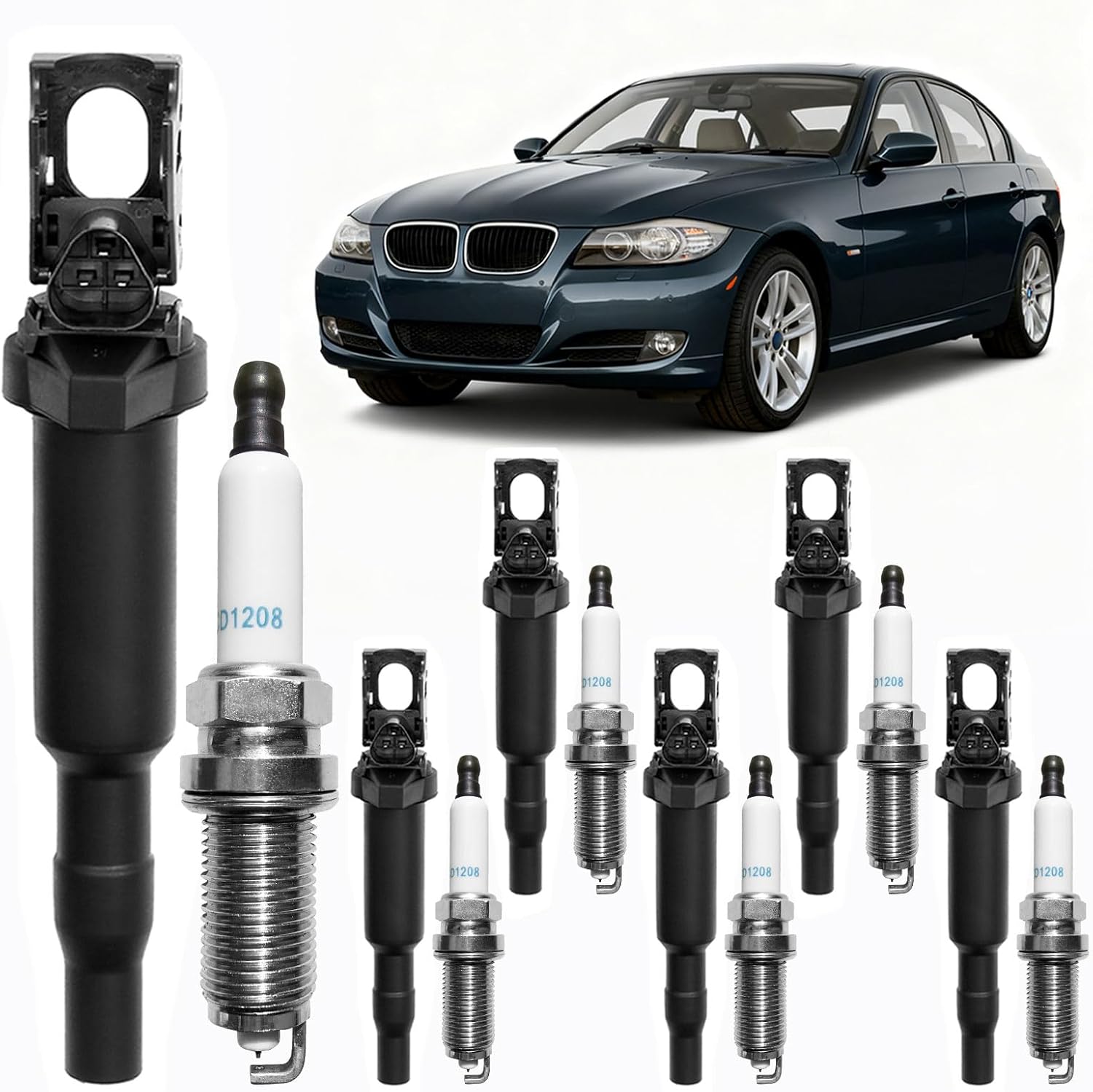
HQPASFY Ignition Coil & Spark Plug Set (x6) — BMW 3.0L N52/N54
$79.99
Oil catch can - long-term health
N54 direct injection plus PCV blow-by coats the intake valves with carbon. A baffled oil catch can on the CCV side slows that process by 50-70%. Cheap insurance on a tuned engine.

Mishimoto Baffled Oil Catch Can — N54 CCV Side (2007–2010)
$223.95
V-band clamps and gaskets - bring new hardware
The turbo-to-downpipe V-band clamps are technically reusable but at 100,000 miles the band compression is fatigued. Order fresh V-band clamps along with your pipes. Order two of the BMW 18307553601 donut seal. Budget $80 in fresh hardware so you do not chase a leak after a clean install.
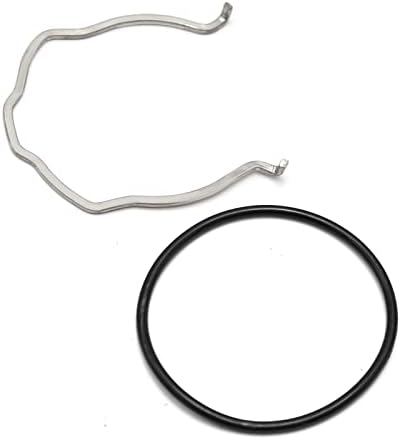
VRSF Charge Pipe C-Clip Rubber Sealing Ring Kit for BMW N54/N55
$7.99
Which Downpipe for Which N54 Chassis
The downpipes themselves are nearly identical across the N54 family because the engine is the same. The fitment differences are at the mid-pipe flange and around chassis-specific driveshaft and subframe clearance.
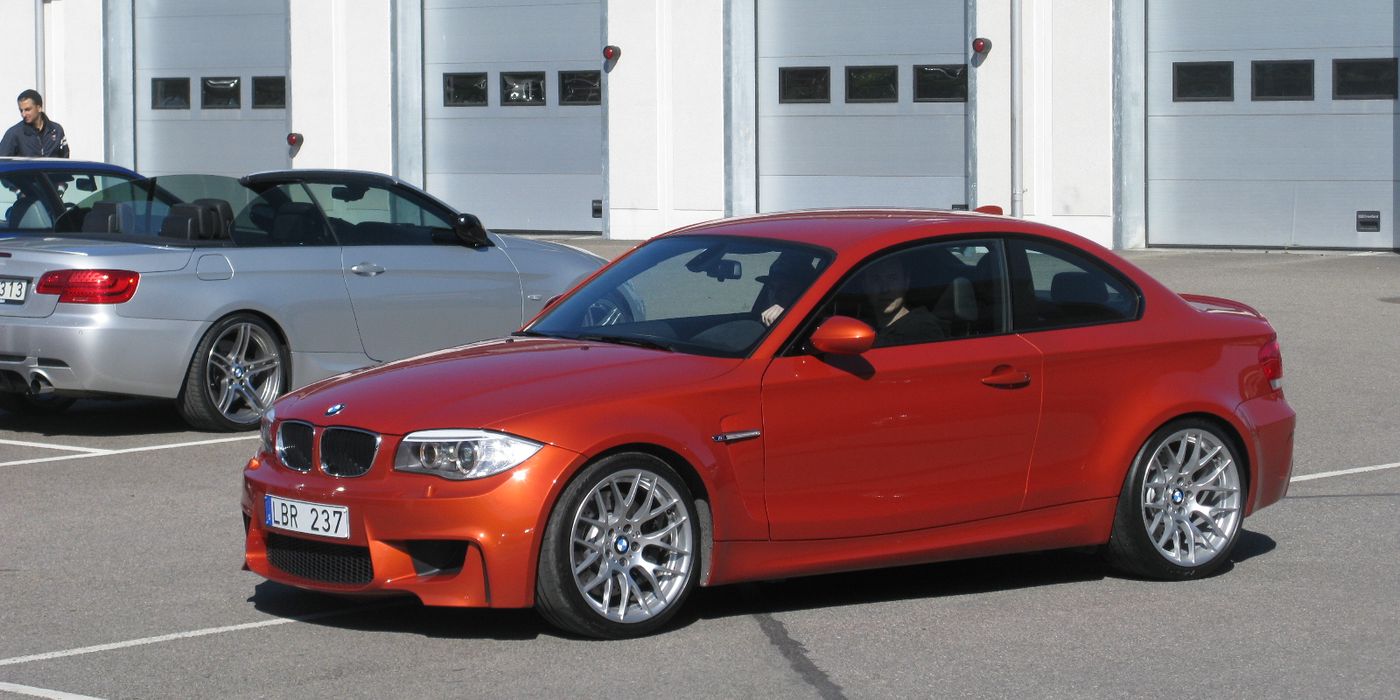
E82 135i and 1M Coupe
Tightest engine bay of the N54 family. VRSF Gen 2 and Fabspeed HJS both fit cleanly. The 1M Coupe clearance to the front subframe is noticeably tighter than the 135i - some owners report needing to loosen the subframe bolts to drop the pipes. On the 135i the shorter wheelbase and smaller mass mean downpipes make the car feel more aggressive than in the 335i for the same tune. These are the cars where catless is most tempting - they are often weekend toys.
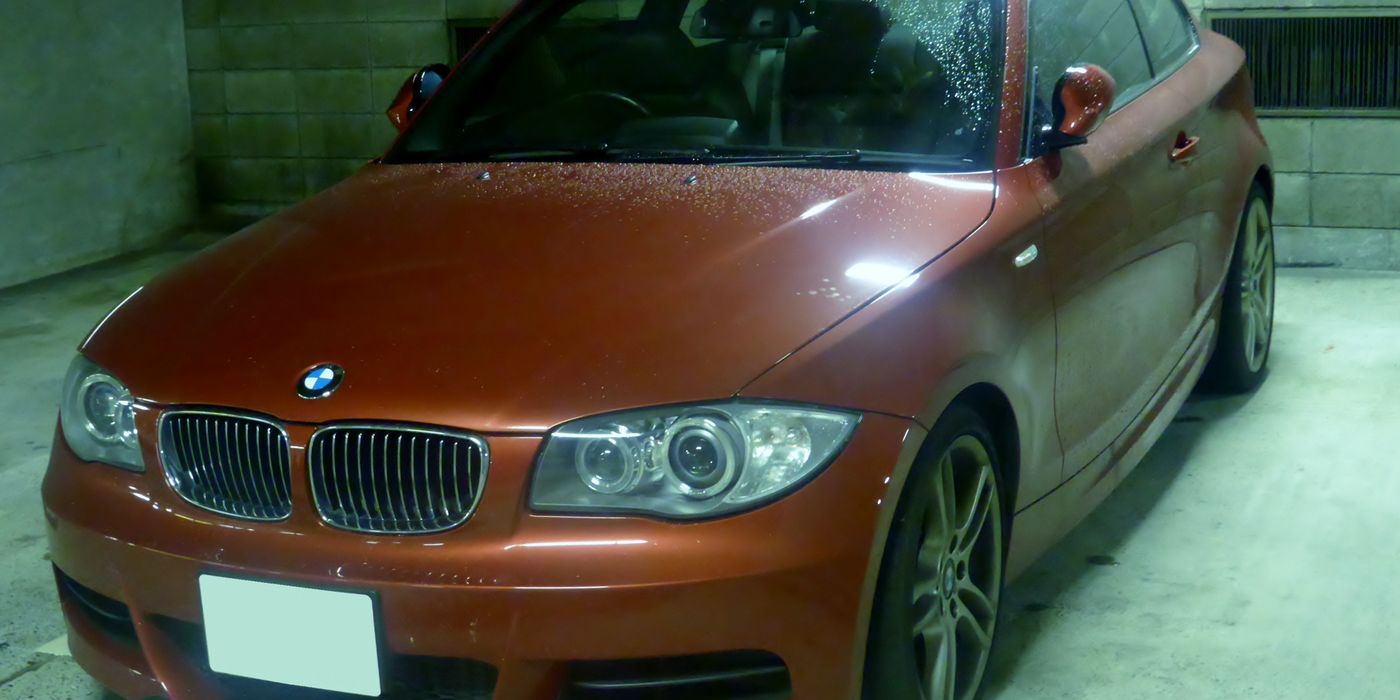
E90 / E92 / E93 335i
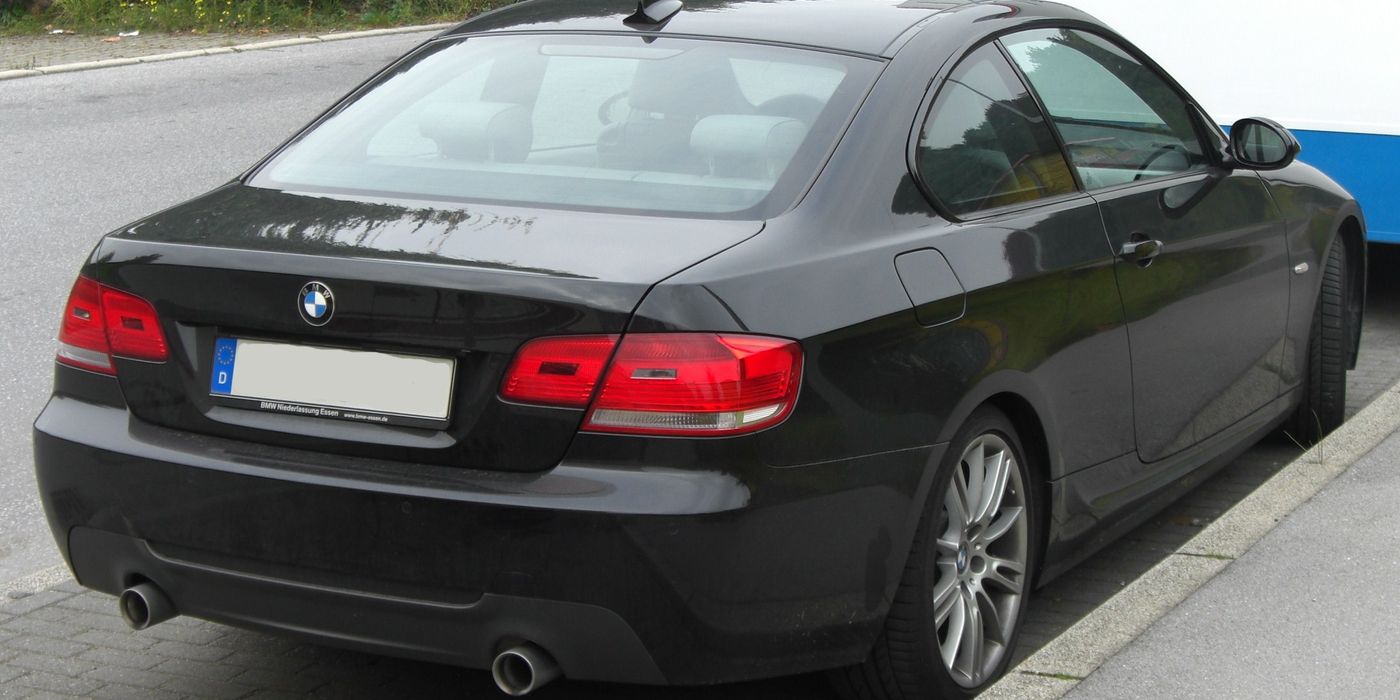
The default N54 chassis. Every brand's instructions are written primarily for these cars. RWD fits without drama. xDrive needs the subframe trick on the front bolts and can have tight clearance to the front driveshaft at the flex joint. The sedan (E90) is the easiest fit. The coupe (E92) is nearly identical. The convertible (E93) has extra chassis bracing that can make jack stand placement awkward.
E88 135i Convertible
Same engine, same downpipe layout as the 135i coupe. Convertible bracing does not affect exhaust work. Fitment identical to E82.
E60 535i and Z4 35i/35is
The 535i has the most room of any N54 chassis - downpipes practically fall out. The Z4 is tighter but manageable. Both benefit from the same downpipe families, though some brands list them as separate SKUs because of mid-pipe flange geometry differences. Verify the SKU is for your specific chassis before ordering.
N55 cousin for reference
The N55 is single-turbo so it uses a single downpipe, not a pair. If you are cross-shopping F30 335i N55 builds, see my F30 335i sleeper build guide and the dedicated best downpipe for the N55 writeup. The engineering decisions are similar but the parts are not interchangeable.
FAQ
Does a downpipe on the N54 really need a tune
Functionally you can run a downpipe without a tune. The car will make +10-20 whp untuned, will not throw a fuel-trim CEL immediately if it is catted, and will idle normally. What you cannot do without a tune is realize the full gain (Stage 2 numbers require the map) or suppress catless catalyst codes. If you buy catless, buy the MHD license at the same time. If you buy catted, the pipe alone is a valid first mod and you can add the tune later.
What is the difference between catted and catless downpipes on the N54
Catted has a high-flow metallic sport catalyst inside the pipe (200 or 300 cell). Catless has an empty 3 inch tube. Catless makes 5-10 whp more at Stage 2, fails emissions everywhere strict, throws a CEL that requires tune suppression, and produces cold-start fuel smell and highway drone. Catted passes visual inspection in most states, passes OBD readiness, sets no CEL, has no smell, and suppresses drone via cat resonance. For street cars catted is the correct answer. For weekend toys and race cars catless is defensible.
Will a catless downpipe throw a check engine light on my 335i
Yes. 100%. Codes 29F4 (catalyst bank 1 efficiency below threshold) and 29F5 (bank 2) will set within 2-3 drive cycles of running catless with no tune adjustment. The fix is either the MHD aftermarket DP checkbox during your flash (which rewrites the monitor thresholds), JB4 automatic clear, or Palenon O2 spacers that move the post-cat sensor off the exhaust stream. MHD flag is the cleanest solution.
How much horsepower does an N54 downpipe add
Downpipe alone on stock tune - +10 to +20 wheel horsepower depending on catted vs catless. Downpipe as part of a Stage 2 FBO build - the Stage 2 map plus downpipe plus charge pipe plus intake combines for +80 to +120 wheel horsepower over stock. The downpipe's individual contribution inside that Stage 2 number is roughly 30-45 wheel horsepower because Stage 2 fueling and boost targets depend on downpipe flow. Stage 2 without a downpipe is not a real Stage 2.
Can I pass emissions with an aftermarket N54 downpipe
With a Fabspeed HJS catted or any Euro 6 homologated high-flow catted pipe plus the correct tune flag, yes in every state except California. With a VRSF 300-cell catted, yes in most states except California and strict NY metro counties. With catless plus MHD DP flag, passes in states that allow one incomplete monitor (most of the US). With catless in California, UK, or Germany, no.
Is VRSF the best downpipe for the N54
VRSF Gen 2 is the best value pick and the default recommendation for 75% of builds. It is not the best pipe if money is not a constraint - that is Fabspeed HJS. It is not the best pipe for single turbos - that is ETS or Doc Race. For a stock-twin street/track car on a reasonable budget, VRSF is the correct answer.
How long does it take to install N54 downpipes
Manufacturer instructions say 2-4 hours. Reality for a first-timer on jack stands with hand tools is 8-12 hours including PB Blaster soak time and broken stud recovery. With a lift and experience, 4-5 hours. At a reputable shop, $400-600 labor and same-day turnaround.
Do I need new gaskets when installing an N54 downpipe
Yes. The BMW 18307553601 donut seal at the downpipe-to-midpipe joint is single-use. Reusing it is the number one cause of post-install exhaust leaks. Order two before you start the job. Also order a fresh V-band clamp pair for the turbo outlets if the car has 80,000+ miles.
Will my N54 fail inspection with catless downpipes in California
Yes, guaranteed. No N54 downpipe holds a CARB EO number. Visual inspection will fail because there is no CARB label. Sniffer test will fail because there is no catalyst. Even a catted 300-cell fails visual in California because the label is missing. The only legally usable setup in CA is stock or a CARB-EO approved part, and those do not exist for the N54.
What cell count sport cat is best for the N54 - 200 or 300 cell
200-cell HJS flows 90-93% of straight pipe and makes 3-5 whp more than 300-cell at Stage 2. 300-cell flows 85-88%, costs the 3-5 whp, and is slightly quieter with slightly less rasp. For a daily driver in an emissions state, 200-cell HJS is ideal because it sets readiness with minimal power loss. For a budget street car, 300-cell VRSF catted is the value pick.
How loud is an N54 with catless downpipes
88-94 dB at 25 feet wide-open throttle depending on the rest of the exhaust. That is loud enough to violate most municipal noise ordinances. At idle and cold start you will wake neighbors. At highway cruise you will hear 1,800-2,200 RPM drone unless you keep a muffler or resonator downstream.
Can I run a 3.5 inch downpipe on stock N54 twin turbos
You can but you should not. The ETS 3.5 inch pipe reduces exhaust gas velocity across the stock twin turbine housings enough to slow spool by 400-600 RPM. Peak numbers on a dyno might look better but the real-world feel is slower because you are out of boost longer off idle and between shifts. Save the 3.5 inch pipe for when you go to a single turbo kit.
Do MHD and JB4 clear the downpipe CEL the same way
No. MHD rewrites the DME catalyst efficiency monitor thresholds during the flash, so codes never generate in the first place. JB4 uses its CAN interface to auto-clear codes as they set, which means the DME is still generating them and JB4 is constantly erasing them. MHD is the cleaner approach. If you run both (MHD flash + JB4 for map switching), let MHD handle CEL suppression.
What is the best catted downpipe for daily driving an N54
Fabspeed HJS 200-cell if you can stretch the budget. It sets readiness, passes inspection in every non-CARB state, produces the best sound-per-restriction ratio, and fits perfectly. VRSF Gen 2 catted is the value answer at half the price and about 90% of the refinement. Active Autowerke catted is the middle option with the cleanest drone suppression. Any of these three is a correct choice for a daily.
Is an Akrapovic system worth the price on a 335i
Only as part of a full Evolution Line catback. The Akrapovic downpipe pair in isolation is $2,200 for maybe 3-5 whp over a $700 FTP catless. The value case is the full system - 12-21 kg of weight savings, proper titanium construction, hand-welded in Slovenia, and a sound signature that no other brand matches. If you are spending $2,200 on Akrapovic DPs alone, spend the extra $3,500 and do the full system. If you are not doing the full system, save $1,500 with VRSF or Fabspeed.
Final Verdict by Budget
Here is the decision tree I give people who ask me directly. No hedging, no "it depends," just the pipe that matches the budget and the use case.
Under $600 - FTP Motorsport catless
If you are on a tight budget and you know you are going single turbo eventually, FTP catless at $599-699 is the correct answer. Solid construction, 2-year warranty, saves you $50-100 versus VRSF. Pair with MHD Stage 2 and the aftermarket DP flag.
$700-850 - VRSF Gen 2 catted 300-cell
The single best recommendation on this entire page. Community standard, lifetime warranty, sets readiness, passes visual in most states, no drone, no smell, and within 5-8 whp of any catless pipe. This is what I would buy if someone asked me today with $800 to spend. Zero hedging.
VRSF 4" Turbo Downpipe for BMW N55 M135i M235i 335i 435i M2 F30/F20
$265.98
$1,100-1,300 - Active Autowerke Signature catted
If you want the VRSF power profile with quieter drone and a refined sound signature, Active Autowerke Signature at $1,149-1,249 is the sweet spot. 200-cell HJS, flange-to-flange at the mid-pipe, and a tuned exhaust note that is noticeably cleaner at 2,500 RPM cruise. Worth the $400 premium over VRSF if you daily the car and value the refinement.
$1,500-1,800 - Fabspeed HJS 200-cell
The premium pick for owners who daily the car in a strict-emissions state. HJS Euro 6 homologated catalysts, CNC-machined flanges, sets readiness on every tune, passes inspection in every state except CARB-restricted counties. This is the pipe for the NY commuter who wants to never think about emissions again. My personal favorite pipe for long-term ownership of a daily N54.
$2,200+ - Akrapovic Evolution full system (not DPs alone)
If you are spending at this tier, commit to the full Evolution Line. DPs in isolation are not worth the price. Full titanium catback + DPs is a different conversation - lifestyle car, best-in-class sound, 20 kg weight savings. Not a value calculation.
Single turbo builds - ETS 3.5 inch or Doc Race
If you are running or building a single turbo setup, the 3 inch downpipe is no longer the right tool. ETS 3.5 inch pairs with Pure Turbos or VTT singles. Doc Race pairs with Doc Race STK kits. See my N54 single turbo upgrade writeup for the full discussion of which path makes sense for which power goal. Also review the broader N54 vs N55 vs B58 comparison before committing to a single turbo build - sometimes the answer is "sell the car and buy a B58."
After 5 years of wrenching on BMWs, dozens of N54 downpipe installs, and one Saturday that taught me more about F-bolts than I ever wanted to know, my sign-off is this. Buy VRSF Gen 2 catted 300-cell. Pair it with MHD Stage 2, a BMS charge pipe, a cheap dual cone intake, and a fresh set of NGK 97506 plugs. Budget $1,400 in parts and a full weekend of labor. You will end up with a 360-375 wheel horsepower N54 that passes inspection, has no drone, and makes the sound every inline-six BMW enthusiast remembers the first time they heard one. That is the build that keeps people driving these cars 15 years after BMW built them. That is the N54 at its best.


