
All-Season Tires for BMW 3 F30
Affiliate disclosure. BimmerTalk is a proud partner of the Amazon Associates Program and Turner Motorsport. We may earn a small commission on qualifying purchases through our links, at no extra cost to you. Read the full disclosure.

Michelin CrossClimate2 All-Season Tire 225/50R18 95H for BMW
MICHELIN
Michelin CrossClimate2 All-Season Tire 225/50R17 XL 98V for BMW
MICHELIN

Continental ExtremeContact DWS06 Plus All-Season Tire 225/45ZR17 91W
Continental
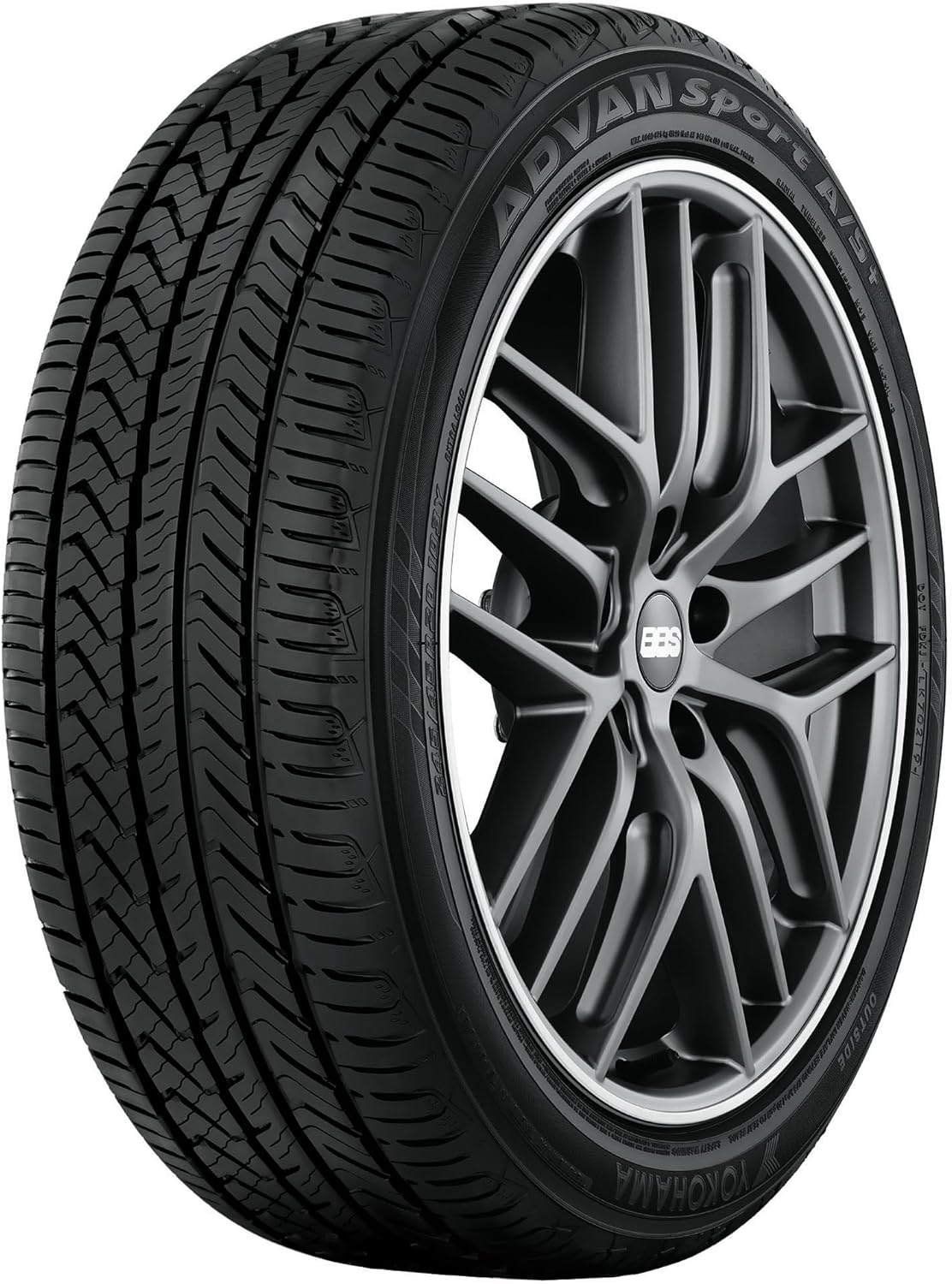
Yokohama Advan Sport A/S+ 225/40R18 92Y XL All-Season Performance Tire
Yokohama

Fullway HP108 All-Season Performance Tire 225/40R18 92W XL for BMW
Fullway
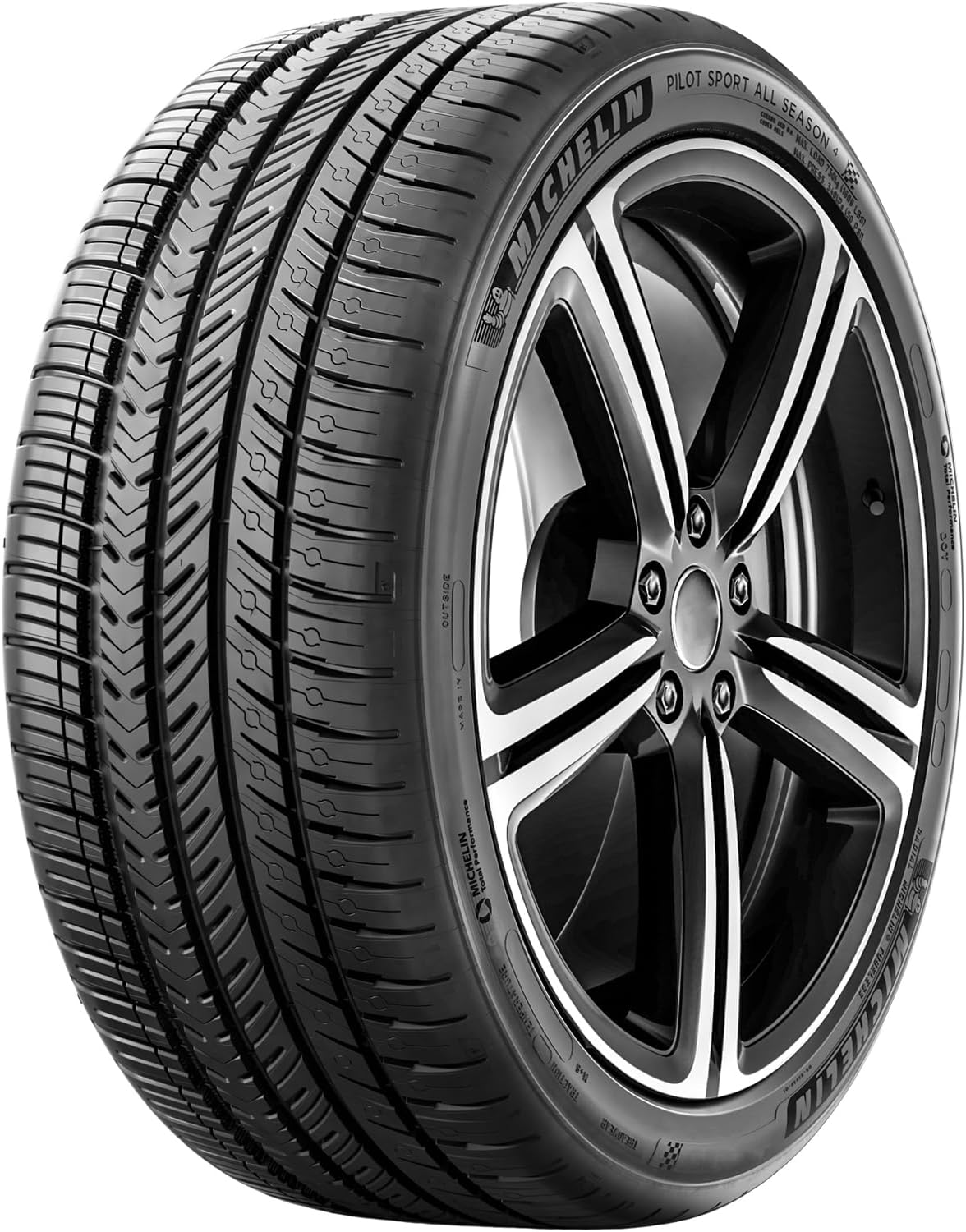
Michelin Pilot Sport All Season 4 All-Season Tire 225/40ZR18 92Y
MICHELIN

Summit Ultramax A/S 2.0 All-Season Tire 225/50R17 94V for BMW
SUMMIT
More wheel and tire options for the BMW F30
If you own a BMW F30 3 Series and you're trying to figure out the right all-season tires for it, you've landed in the right place. This page covers everything specific to the F30 chassis - the tire picks that actually work on these cars, the fitment traps that catch people off guard, and the honest tradeoffs between the top options. BMW F30 wheels tires all season tires is a subject that sounds simple until you start digging into OEM fitment codes, run-flat compatibility, and what actually happens to steering feel when you bolt on the wrong rubber. I'm going to walk you through all of it.
What the F30 Actually Is and Why Tire Choice Matters More Than You Think
The F30 is the sixth-generation BMW 3 Series sedan, built from 2012 to 2018. It shares its platform with the F31 wagon (Touring), the F34 Gran Turismo, and the F32/F33/F36 coupe and convertible variants. Under the skin you'll find everything from the naturally aspirated N20 four-cylinder in the 320i, to the twin-turbocharged N55 inline-six in the 335i and early 340i, to the updated B58 in the late 340i. The point is, this is not one car. It's a range of cars that share a platform but have meaningfully different weights, power outputs, and OEM tire specs depending on the exact trim.
That matters for tires because a 320i on a base 17-inch wheel is a completely different fitment situation from a 340i xDrive on staggered 19-inch M Sport wheels. The chassis geometry, suspension tuning, and brake package all vary. BMW even spec'd different tire compounds for different drivetrain configurations within the F30 range, so what works perfectly on a rear-wheel-drive 328i might be the wrong call on an xDrive model with different load distribution.
Beyond fitment mechanics, the F30 has a very particular steering character. The electric power steering (EPS) setup on these cars transmits less road feel than older hydraulic setups, which means a lot of the tactile feedback you get actually comes through the tires. Put on something with overly compliant sidewalls and the car starts to feel vague and detached in a way that a soft-sidewall tire on a Mercedes wouldn't necessarily produce. BMW tuned the F30 to communicate through its chassis, and your tire choice either supports that or works against it. This is why the F30 community has pretty strong opinions about tire selection even among people who aren't hardcore drivers.
Why F30 Owners Look for All-Season Tires
There are a few distinct situations where F30 owners end up shopping for all-season tires, and each one has different priorities going in.
The most common one is straightforward - you live somewhere that gets real winters but not extreme ones, and you don't want to deal with swapping to dedicated winter tires every November. All-season tires let you run one set year-round, which saves you money on a second set of wheels and the hassle of storage and biannual changeovers. For a daily driver in a place like the mid-Atlantic states, southern New England, or the Pacific Northwest, a good all-season genuinely covers you for the kind of weather you'll actually see.
The second situation is people coming off run-flat tires. The F30 left the factory on run-flats in most configurations, and when those need to be replaced, a lot of owners take the opportunity to switch to conventional tires. Run-flats are noticeably harsher on the F30's already firm suspension, and the ride improvement when you swap to regular tires is something you feel immediately. If you're going that route and you're also not planning to carry a spare, a high-quality all-season with solid wet and light-snow capability is a logical landing spot. I'll cover the run-flat-to-conventional transition in more detail in its own section below.
The third situation is people who bought a set of aftermarket wheels and need to source tires fresh. If you've gone through our aftermarket wheels guide and picked up a set of 18 or 19-inch forged wheels, you're going to be tire shopping anyway, and the all-season question comes up naturally if you're not planning to run summer-only rubber.
Finally, some owners are just replacing worn-out factory summer tires and deciding at that point that they'd rather not deal with seasonal swaps. That's a valid call, though it does mean giving up some of the dry handling and braking performance that BMW engineered those OEM fitments to deliver.
F30 OEM Wheel and Tire Fitments - What You Actually Need to Know
Before you buy anything, you need to know what's actually bolted onto your specific car. The F30 was sold in North America with several different factory wheel packages, and the tire sizes vary substantially between them. The most common OEM setups are:
- 17-inch standard wheels - typically 205/55R17 all around on base 320i configurations
- 18-inch Sport line and M Sport wheels - the most common North American spec is 225/45R18 all around on RWD models
- 18-inch staggered on M Sport packages - 225/45R18 front and 255/40R18 rear on some M Sport configurations
- 19-inch M Sport or optional upgrade wheels - typically 225/40R19 front and 255/35R19 rear
The xDrive models (all-wheel drive) were generally spec'd with a square fitment rather than staggered, because staggered setups complicate rotation on AWD cars. If you have an F30 xDrive, you're almost certainly on a square setup, which actually gives you more flexibility for tire rotation and makes the all-season math easier.
When you're shopping, match to your actual wheel size, not just the chassis code. The F30 designation by itself tells you nothing about your tire size. You need to know the wheel diameter, the wheel width, the offset, and whether you're running a staggered or square setup. All of that is on the door jamb sticker of your car, and Continental's BMW 3 Series fitment tool is actually a useful cross-reference if you want to double-check what OEM approved for your specific variant.
Beyond diameter and width, pay attention to the load index and speed rating. BMW specifies these for a reason, and forum users on 2Addicts consistently emphasize matching "exactly the same specs" including load and speed rating when moving to all-season replacements. Going below the OEM load index is technically unsafe on a car that's been engineered to those specs. The speed rating is less safety-critical in real-world driving for most people, but dropping below OEM here can flag warning lights on some BMWs with tire pressure monitoring systems, and it tells you something about how the tire was engineered to handle stress.
Run-Flat Tires on the F30 - The Decision You Have to Make First
If your F30 came from the factory on run-flats, you need to make a decision before you do anything else: are you staying on run-flats or switching to conventional tires? This fundamentally changes what all-season options are available to you, because most of the premium UHP all-season tires I'm going to recommend are conventional tires, not run-flats.
Here's the honest reality of run-flat tires on the F30. The car's suspension was not specifically softened to compensate for run-flat harshness the way some BMW models were. The result is a ride that many owners describe as genuinely punishing on anything but perfectly smooth pavement. The stiff sidewalls of run-flat tires amplify every expansion joint and pothole, and the F30's relatively firm suspension tuning doesn't absorb what the tire fails to absorb. A lot of people tolerate this for years and don't fully realize how much better the car can ride until they switch.
The case against BMW run-flat tires is also financial. Run-flat replacements typically cost significantly more per tire than comparable conventional tires, and the tread life tends to be shorter because the stiff sidewalls generate more heat under normal driving conditions. For an all-season application where you're already accepting some performance compromise versus dedicated summer tires, paying the run-flat premium is hard to justify for most owners.
The main reason people stay on run-flats is safety infrastructure. If your F30 doesn't have a spare tire or a tire mobility kit in the trunk - which is common because BMW designed the cargo floor around the absence of a spare - going to a conventional tire means you need a plan for a flat. Your options are: carry a portable inflator and a can of tire sealant, add a collapsible spare (third-party fitment solutions exist for the F30), or simply accept that you'll call roadside assistance in a flat situation, which works fine for most daily drivers who aren't regularly driving in remote areas.
I switched my previous F30 (I was running a 328i before moving to the G20) from run-flats to conventional all-seasons about 40,000 miles into ownership, and the ride improvement was the single most noticeable change I made to that car outside of suspension work. I kept a full-size inflator kit in the trunk and never needed it in two years, which probably says as much about luck as it does about planning - but the point is that running without a spare is manageable for most people in most circumstances.
What Makes a Good All-Season Tire for the F30 Specifically
Not every good all-season tire is a good all-season tire for an F30. The car has specific characteristics that filter the field pretty aggressively.
First, the F30 is a sport sedan, not a family hauler. It was built to be driven with some enthusiasm, and even in daily driver use it goes into corners faster and brakes harder than most cars in its segment. An all-season tire for this car needs to handle being pushed. Comfort-focused all-season grand touring tires with soft, tall sidewalls and low tread stiffness will feel fine at 7/10ths driving, but they start to feel mushy and imprecise when you actually use the car the way it was designed to be used. The F30 will tell you about this with vague steering response and a wallowing sensation through corners that the car genuinely shouldn't produce.
Second, you want a tire that holds its dry performance as it wears. Budget all-seasons that test well when new often degrade quickly. Since you're running these year-round on a car you probably actually drive, wear matters.
Third, consider your actual winter situation honestly. If you regularly see extended periods of ice and packed snow, dedicated winter tires are genuinely the right answer and no all-season tire - at any price - is going to replicate what a Michelin X-Ice Snow or Bridgestone Blizzak does in those conditions. All-seasons earn their place when your winter conditions are mostly cold temperatures, wet roads, occasional light snow, and slush. That covers a huge portion of the US, but it doesn't cover Minnesota in January or mountain pass driving in Colorado.
Fourth, if your F30 is lowered - whether via lowering springs or coilovers - sidewall stiffness becomes more important. Lowered suspensions have less travel to absorb impacts, which means more stress gets transferred to the tire sidewall. A softer all-season sidewall on a lowered F30 can feel downright unstable in hard cornering, and rubbing becomes a real concern if you've gone with aggressive offsets.
The Top 5 All-Season Tires for the F30 - Real Rankings With Real Reasons
1 - Michelin Pilot Sport All Season 4 - The Premium Pick
The Michelin Pilot Sport All Season 4 is, genuinely, the tire I'd put on my own F30 if I were daily-driving one in a climate with real winters. It's the most balanced option in this category for a sport sedan - it has actual dry handling capability that doesn't embarrass itself next to summer tires, solid wet performance, and enough traction in cold temperatures and light snow to handle realistic all-season conditions. Michelin built this tire specifically for performance cars that get driven hard, and the F30's handling characteristics match what this tire is designed to support.
In the most common F30 fitments, you're looking at roughly $190 to $320 per tire depending on size. For a full set of four in 225/45R18, budget somewhere around $850 to $1,100 before installation. That's real money. Michelin doesn't compete on price, and they don't have to.
The 225/45R18 fits the most common North American F30 M Sport setup perfectly, and staggered fitments work too - 225/45R18 front and 255/40R18 rear are both available sizes. For xDrive square setups in 17 or 18-inch diameters, the sizing options are there as well.
Honest downsides: this tire is louder than a touring-category all-season. On smooth highway pavement you probably won't notice, but on coarser chip-seal surfaces there's a definite tread roar that increases as the tire wears. Tread life is also dependent on your driving habits and alignment more than some of the competition - push it regularly, run a slightly aggressive camber setup, and you'll be back shopping for tires sooner than Michelin's treadwear ratings would suggest. Keep up with rotation every 5,000 to 6,000 miles and get your alignment checked at least annually.
The steering feel through this tire on an F30 is genuinely good. It's the thing that separates it from most of the competition at this price point. The steering feedback is crisp and progressive, which makes a real difference on a car where your input to response connection matters.
2 - Continental ExtremeContact DWS 06 Plus - The Best Value for Most People
The Continental ExtremeContact DWS 06 Plus is the tire I'd recommend to most F30 owners who want a strong all-season without the Michelin price tag. At roughly $170 to $290 per tire, it costs meaningfully less than the Michelin in most sizes, and in many real-world conditions the gap in performance is smaller than the price gap suggests.
The DWS 06 Plus works well across the full range of common F30 wheel sizes. Continental has solid coverage in 17-inch and 18-inch fitments, and the tire was designed with non-run-flat applications in mind, which means it works well in the run-flat-to-conventional conversion that a lot of F30 owners do. Continental's own BMW 3 Series fitment tool makes it easy to verify your specific size is available.
The name "DWS" stands for Dry/Wet/Snow, and Continental built in visual wear indicators for each of those three conditions - as the tire wears, letters disappear from the shoulder to tell you when you've lost your snow or wet capability. It's a practical feature for all-season use because the performance degradation with wear is somewhat hidden on a visual inspection.
Where the Continental falls short of the Michelin is in steering precision. A few forum threads on 2Addicts and in the broader F30 community note that the turn-in feels less crisp compared with the Michelin - the sidewall is softer and the initial steering response has a slightly different character that some drivers describe as less direct. For a lot of people that's a reasonable tradeoff for the price difference. For people who bought an F30 specifically because of how it drives, it might not be.
On balance, the DWS 06 Plus is the tire I'd suggest as a starting point for most F30 owners. It's widely available, well-reviewed, fits all the common F30 sizes, and represents genuinely good value. If you've never driven on a Michelin Pilot Sport All Season 4 back-to-back with the Continental, you probably won't miss what you're not getting.
3 - Pirelli P Zero All Season Plus 3 - For Drivers Who Prioritize Dry Feel
The Pirelli P Zero All Season Plus 3 runs about $160 to $270 per tire and is the right pick for F30 owners who spend 90% of their driving time in dry conditions and use the all-season designation mainly for peace of mind in mild cold-weather situations.
Pirelli's approach to this tire was to build something as close to their summer-performance tire character as possible while meeting the industry's all-season traction requirements. The result is a tire that feels genuinely sporty in dry conditions - the dry handling and braking numbers are among the best in this category - but doesn't deliver the same winter confidence as the Continental or Michelin. If you regularly drive in light snow or spend time on cold wet roads, the P Zero All Season Plus 3 is behind both of those options in those conditions.
For an F30 driven primarily in the sun belt or in climates where "all-season" really just means "year-round warm weather with occasional rain," the Pirelli makes a lot of sense. The sporty character suits the F30 well, and the steering feel is good. It's also a brand that resonates with the BMW heritage crowd - Pirelli has been an OEM partner for BMW for decades, and there's something that feels appropriate about running Pirelli on a 3 Series.
Size availability in common F30 fitments is solid for the 18-inch range. If you're on 17-inch wheels, check availability carefully before committing to this tire.
4 - Goodyear Eagle Exhilarate - The Budget-Conscious Performance Option
The Goodyear Eagle Exhilarate comes in at roughly $150 to $260 per tire, making it the most affordable option among the performance-focused all-seasons I'm listing here. It's a genuine performance all-season, not a budget tire wearing performance marketing - but it does make some tradeoffs to hit that price point.
The Eagle Exhilarate works on standard F30 wheel widths and handles the common 18-inch sizes without issue. Dry grip is good and wet traction is acceptable. Where it falls behind is ride refinement and noise as the tire accumulates miles. A new set of Eagle Exhilarates on an F30 feels reasonably solid, but owners report that road noise increases noticeably as the tread wears, and the ride can get less pleasant in the back half of the tire's life. That's a real cost if you're keeping the tires through their full wear life rather than swapping partway through.
If you're working with a constrained budget and need a full set of four in a hurry - maybe you picked up an F30 project car and it needs tires immediately - the Eagle Exhilarate is a legitimate choice. It'll handle the car and provide year-round capability without embarrassing you in wet or light-snow conditions. Just go in with realistic expectations about refinement and plan for the noise issue as they wear.
5 - Bridgestone Potenza Sport A/S - The Handler
The Bridgestone Potenza Sport A/S is the most performance-focused option in this group, and that's very much a deliberate positioning on Bridgestone's part. At roughly $180 to $300 per tire, it's priced in Michelin territory while leaning even harder into dry handling performance.
This is the tire for an F30 owner who has genuinely sporty driving priorities, runs 18 or 19-inch wheels, and wants to keep as much of the summer-tire feel as possible while maintaining a usable all-season classification. The dry handling on the Potenza Sport A/S is genuinely impressive, and the steering response is sharp in a way that flatters the F30's chassis. It's the tire that best preserves the "sport sedan" feel of the F30 in an all-season package.
The tradeoffs are real, though. The ride is firm - noticeably firmer than the Continental or Michelin - and the tread life is shorter than touring-oriented all-seasons. Bridgestone leaned toward performance compound characteristics to get the handling numbers, which means the rubber wears faster. On a lowered F30 with coilovers, the firm ride is going to compound with the stiff suspension tune and might be more than you want for daily driving.
Also, the Potenza Sport A/S's winter credentials are more modest than the Michelin or Continental. It meets the Three-Peak Mountain Snowflake (3PMSF) certification requirements, but real-world confidence in snow and ice is at the lower end of this group. If your winters regularly include slippery conditions, this isn't your tire.
Fitment Specifics - What Changes Between F30 Variants
The F30 range is broader than most people realize, and fitment details vary enough between variants that it's worth going through them specifically rather than treating the chassis as monolithic.
RWD F30 Models - 320i, 328i, 330i, 335i, 340i
These are the most common F30 configurations in North America, and they give you the most flexibility in tire selection. Square setups allow full tire rotation across all four positions, which extends tread life and simplifies maintenance. Staggered setups (where the rears are wider than the fronts) limit you to front-to-front and rear-to-rear rotation, which complicates wear management.
If your RWD F30 is currently staggered and the tires need replacing, it's worth evaluating whether you want to convert to a square setup on aftermarket or replacement OEM-style wheels. The performance difference in normal driving is minimal, and the maintenance simplicity of a square setup is a genuine benefit. A lot of F30 owners running aftermarket wheels make this move - check out our aftermarket wheels guide for options if that's a direction you want to go.
F30 xDrive Models - 328i xDrive, 330i xDrive
xDrive models run square setups from the factory, which is good news for all-season tire selection. You have full rotation flexibility and can take advantage of that to extend tread life, which partially offsets the higher cost of premium all-season tires.
The xDrive models also distribute weight differently than the RWD cars, which affects tire wear patterns. In my experience the fronts wear faster on xDrive F30s than on the RWD equivalents, so rotation discipline matters more here. Every 5,000 miles, not every 7,500.
F30 340i - B58 Engine
The late-production F30 340i with the B58 engine is meaningfully heavier on the nose than the four-cylinder models, and it produces enough torque to stress rear tires in hard acceleration. For this model specifically, I'd lean toward the Michelin Pilot Sport All Season 4 or the Bridgestone Potenza Sport A/S because both handle the combination of power and weight better than the more comfort-oriented options.
Lowered F30s
If you've installed lowering springs or a full coilover kit, your fitment calculus changes. Lower ride height compresses the gap between the fender lip and the tire sidewall. In 19-inch fitments with aggressive offsets, some softer-sidewalled all-season tires can rub on full suspension compression or during sharp cornering. The forum reports on this consistently point to the more comfort-oriented tires as the issue rather than the performance-focused ones - stiffer sidewalls help maintain clearance under load.
Also consider that lowered suspension geometry often means increased negative camber, which shifts tire contact patches and accelerates wear on the inner tire edges. If you're running more than about -1.5 degrees of camber in the rear, you should factor in faster-than-rated tread wear and budget accordingly.
The Run-Flat to Conventional Conversion - How to Do It Right
Since this comes up so frequently with F30 owners, it deserves its own dedicated section. Converting from run-flat to conventional tires is not complicated, but there are a few things to do properly to make sure you're set up correctly.
Step one: Check what's in your trunk. Pop the floor panel and see what's there. Many F30s left the factory with literally nothing under the floor - no spare, no kit, no inflator. Some have a tire mobility kit with a compressor and sealant. Note what you have.
Step two: If you have nothing, you need a plan. Your options are a compact portable tire inflator (you want one that can handle a 225-section tire, not just bicycle tires), tire sealant, or a proper spare solution. Third-party compact spare kits do exist for the F30, though they require some fitment research to confirm compatibility with your specific wheel bolt pattern and brake caliper clearances.
Step three: When you order conventional tires, verify that your TPMS (Tire Pressure Monitoring System) sensors are compatible. F30 TPMS sensors are wheel-mounted in most configurations. If your current sensors are built into the run-flat wheels and you're keeping the same wheels, you're generally fine. If you're getting new wheels with the tires, confirm the TPMS sensors are included or sourced separately. Running without functional TPMS is legal in most states but will trigger a persistent warning light that many people find annoying.
Step four: After conversion, get an alignment check. The switch from run-flat to conventional doesn't directly affect alignment, but it's a good excuse to check alignment on a car that may have gone a while without one. An F30 running out of alignment will eat the inner edges of your new all-season tires faster than you'd believe.
The case for switching away from run-flats on BMWs is well-documented - better ride, more tire options, lower cost per tire, and often better handling due to the softer, more compliant sidewall interacting better with performance suspension geometry. The ride improvement on the F30 specifically is significant.
Sizing - How Far From OEM Can You Go
This is one of the most common questions in F30 tire threads, and the honest answer is: not very far, and in most cases not far at all if you care about how the car drives.
The F30's speedometer and odometer are calibrated to OEM tire diameter. Go significantly larger in overall diameter and your speedometer reads low - you're going faster than the gauge says. Go smaller and it reads high. A small variation of plus or minus 2-3% in overall diameter is generally acceptable and produces negligible real-world effects. Beyond that you start to notice discrepancies and you also start affecting the DSC (Dynamic Stability Control) and ABS calibration, which uses wheel speed sensors that assume OEM-spec tire diameters.
On plus-sizing (moving to a larger wheel diameter while reducing sidewall height to maintain overall diameter), the F30 generally handles 18-inch to 19-inch transitions without drama if the overall diameter stays close to OEM. Going from 18 to 19 inches typically means stepping down in aspect ratio - from 45-series to 40-series or 35-series tires - and the resulting shorter sidewall increases harshness and reduces the tire's ability to absorb impacts. On an already-firm F30, this matters.
Forum consensus, including discussion threads on Bimmerpost, generally recommends staying within about 1 inch of the OEM wheel diameter for all-season daily driving applications. Going from 17 to 18 inches is fine. Going from 18 to 19 is acceptable with the right tire. Going from 18 to 20 inches starts to cause problems - noise, harshness, more vulnerability to pothole damage, and handling changes that aren't necessarily positive.
Installing All-Season Tires on Your F30 - What You Need to Know
Tire installation on an F30 is straightforward if you're taking them to a shop, but there are a few things worth knowing regardless of whether you're doing anything yourself.
Torque Specs and Wheel Bolts
The F30 uses wheel bolts, not lug nuts - a common BMW distinction that confuses shop staff who don't regularly work on European cars. The OEM torque spec for F30 wheel bolts is 120 Nm (89 ft-lb). I've seen more than a few cars come back from discount tire shops with bolts torqued to whatever the tech felt like, which is not acceptable on a car with BMW's bolt engagement lengths. Bring a torque wrench if you're uncomfortable, or verify the shop has done it correctly before driving away.
Extended wheel bolts are required if you're running wheel spacers. Using standard-length bolts with spacers is a safety issue that doesn't care about your intentions. This seems obvious but you'd be surprised how often it gets overlooked.
TPMS Reset After Tire Swap
After mounting new tires or rotating existing ones, the F30's TPMS needs to be reset. The procedure is in your owner's manual - it's a menu-based reset through iDrive, not a button on the instrument panel as it is on some other cars. If you do this incorrectly, the system may keep warning you about pressure issues even when the tires are correctly inflated. If you have a coding and diagnostic tool, you can also handle this and other tire-related system resets through software.
Alignment After New Tires
I've mentioned this above but it's worth repeating - always check alignment when fitting new tires if you haven't had one recently. The F30's rear suspension geometry in particular can drift out of spec as rubber bushings wear, and you won't necessarily notice it in normal driving until your rear tire shoulders are half worn and your new $250/tire all-seasons are looking decidedly unhealthy. An alignment at a competent shop runs $80-$120 in most markets and is cheap insurance on a set of tires that costs $800+.
Supporting Modifications - What Else to Consider
Tires don't exist in isolation on a car. A few other areas of the F30 interact directly with tire performance and are worth thinking about when you're making tire decisions.
Suspension Condition
F30s with worn suspension components - specifically worn front struts or rear shock absorbers - do not hold tire contact patches consistently during cornering and braking. Even excellent all-season tires perform below their capability on a car with spent dampers. If your F30 has over 60,000 miles and has never had suspension work, the dampers are probably tired. A shock/strut replacement at that mileage is money better spent than a premium tire upgrade on worn hardware.
If you're considering suspension upgrades beyond stock replacement, our BMW coilover buyer's guide covers the F30 in detail and can help you think through the suspension-tire relationship more broadly.
Brake Condition
Premium all-season tires significantly improve wet braking distances. That's one of their real-world advantages over worn summer tires or budget rubber. But improved tire traction moves the braking performance limit closer to the brake system itself. If your rotors are warped or your pads are close to wear limits, better tires are going to expose that. Check the brakes when you do tires, or at least know what condition they're in. Our brake pads guide covers F30-specific pad options if you need replacements.
Wheel Condition
This sounds obvious but bent or cracked wheels cause vibration and can cause uneven tire wear regardless of how good the tire is. F30 19-inch wheels in particular are known to be more vulnerable to pothole damage than 17 or 18-inch setups because the shorter sidewall transfers more impact force to the rim. If you're going to spend $1,000+ on a set of all-season tires, make sure the wheels they're going on are straight and structurally sound.
Common Mistakes F30 Owners Make With All-Season Tires
Buying the Wrong Size Because of a Confusing Staggered Setup
This is probably the most frequent actual mistake I see. Someone buys four tires in the front size of their staggered setup, or four tires in the rear size, or just gets the sizing wrong because they measured off the old tire incorrectly. If you're on a staggered F30, you need two fronts and two rears in different sizes. Confirm both sizes before ordering anything.
Going With the Cheapest Option in the Size
The F30 is a precision machine with chassis dynamics that are actually sensitive to tire choice. I understand the budget pressure, but putting $90/tire budget tires on a BMW 3 Series is a disservice to the car. The difference in wet braking distance between a premium all-season and a budget tire in the same size can be several car lengths at highway speeds. The difference in handling feel is immediately noticeable to anyone who paid attention when they bought their F30 because of how it drives. You don't have to buy Michelins, but please don't buy the absolute cheapest thing in your size either.
Ignoring Load Index
As noted by BMW forum users in F30 tire discussions, matching the load index to or above OEM spec is important. A tire with an inadequate load index is not just a performance issue - it's a safety issue under hard braking or in emergency handling situations where tire deformation characteristics matter.
Not Rotating on Schedule
All-season tires, especially performance all-seasons, wear faster than dedicated touring tires. The compounds are softer to maintain grip at lower temperatures. You need to rotate these tires on schedule to get the wear life the manufacturer rates them for. On a square F30 setup, that means front-to-rear rotation every 5,000 to 6,000 miles. On a staggered setup, side-to-side rotation if the tires are not directional - but check the tire's directional markings before doing anything.
Assuming All-Season Means All-Conditions
I've said this before but it bears repeating at the end of a section on mistakes. All-season tires are not winter tires. They're better than summer tires in cold and light-snow conditions, but they're not a substitute for proper winter tires in serious winter conditions. If you live somewhere with real winters - sustained temperatures below freezing, regular snowfall, icy roads - dedicated winter tires on a separate set of wheels are the right answer. The all-season category covers mild four-season climates well. It doesn't cover Manitoba in January.
My Opinionated Picks - Editor Recommendations
Editor's Pick - Best Overall
Michelin Pilot Sport All Season 4 - This is the tire I'd put on an F30 I was keeping for multiple years and driving with any regularity. The dry handling and steering feel are the best in this category for the F30's specific needs, the wet performance is genuinely strong, and the all-season capability is real for temperate winter conditions. The premium price is real but it's earned. If you're choosing one tire for an F30 that you actually drive and care about, start here.
Best sizes for common F30 setups: 225/45R18 for square M Sport setups, 225/45R18 + 255/40R18 for staggered M Sport, 205/55R17 for base 17-inch configurations.
Best Value Pick
Continental ExtremeContact DWS 06 Plus - The majority of F30 owners shopping for all-seasons should start and end here. It costs meaningfully less than the Michelin, fits all the common F30 sizes, works well in the run-flat-to-conventional conversion scenario, and delivers genuine all-season performance including actual winter capability that's better than the Pirelli or Bridgestone. The slightly softer steering feel is a real tradeoff but a reasonable one at the price.
Best for Dry/Performance Priority
Bridgestone Potenza Sport A/S - If your F30 is primarily a warm-weather car and you want to push it on back roads or occasional track days while keeping the all-season classification, the Potenza Sport A/S is your tire. The dry handling numbers are the best in this category. Just know that you're accepting firmer ride quality, shorter tread life, and modest winter capability in exchange for the performance advantage.
Best for the Budget-Conscious
Goodyear Eagle Exhilarate - If cost is a real constraint and you need a set of four for a reasonable total outlay, the Eagle Exhilarate is a genuine all-season performance tire that works on the F30. Manage your expectations about wear-life refinement and noise, rotate on schedule, and it'll serve you fine.
Brand and Product Comparison Table
| Brand | Model | Price Per Tire (Typical) | Best For | Main Weakness | F30 Fit Notes |
|---|---|---|---|---|---|
| Michelin | Pilot Sport All Season 4 | $190 - $320 | Best all-around balance of dry, wet, and light-snow performance with sport steering feel | Higher road noise on coarse pavement; premium price; wear depends heavily on alignment and rotation discipline | Excellent coverage in 225/45R18, 255/40R18, 205/55R17; works for staggered and square setups |
| Continental | ExtremeContact DWS 06 Plus | $170 - $290 | Best value; strong wet and winter performance; ideal for run-flat-to-conventional conversion | Softer sidewall feel; less precise turn-in versus Michelin | Strong size availability in 17 and 18-inch F30 fitments; square and staggered both covered |
| Pirelli | P Zero All Season Plus 3 | $160 - $270 | Drivers prioritizing dry handling in mild-climate all-season use | Less winter confidence than Continental or Michelin in snow and cold wet conditions | Good 18-inch coverage; verify 17-inch availability for base F30 setups |
| Goodyear | Eagle Exhilarate | $150 - $260 | Budget-conscious F30 owners wanting a real performance all-season | Noise increases with wear; less refined ride versus Continental and Michelin | Covers standard F30 18-inch widths; less availability in some F30-specific staggered sizes |
| Bridgestone | Potenza Sport A/S | $180 - $300 | Sporty drivers on 18 or 19-inch setups wanting maximum dry handling in an all-season | Firmer ride; shorter tread life; modest winter capability; not ideal for lowered cars | Best for 18 and 19-inch F30 performance setups; 340i and M Sport trims are the primary use case |
Frequently Asked Questions About All-Season Tires on the F30
What tire size does the F30 328i use from the factory
It depends on which wheel package your specific 328i was built with. The base configuration used 205/55R17 on 17-inch wheels. The M Sport package, which was common in North America, typically ran 225/45R18 square or a staggered 225/45R18 + 255/40R18 on 18-inch wheels. Check your door jamb sticker for the precise spec on your car - do not assume based on the chassis code alone.
Can I replace the run-flat tires on my F30 with regular tires
Yes, and a lot of owners do it. The main things to handle are: getting a spare or tire mobility solution for the trunk, verifying your TPMS sensors are compatible with non-run-flat tires (they generally are), and doing an alignment check after the swap. The ride improvement is noticeable and the tire selection you have access to is broader once you're off run-flats. The run-flat vs conventional tire trade-offs for BMWs are well-documented and generally favor the switch for daily driver use.
Are all-season tires good enough for winter driving on an F30
For mild winter conditions - cold temperatures, wet roads, occasional light snow, slush - a good all-season like the Michelin Pilot Sport All Season 4 or Continental ExtremeContact DWS 06 Plus is genuinely adequate. For real winter conditions with regular snowfall, icy roads, or extended periods below about 25 degrees F, dedicated winter tires on a separate set of wheels are the right answer. No all-season tire in this category is a substitute for proper winter rubber in serious conditions.
Will all-season tires affect the steering feel on my F30
Yes, noticeably. The F30's EPS communicates less road feedback than older hydraulic steering systems, so the tire plays a larger role in the overall steering feel than on older BMWs. Performance all-season tires with stiffer sidewalls - particularly the Michelin Pilot Sport All Season 4 and Bridgestone Potenza Sport A/S - preserve the most steering feel. Comfort-oriented all-seasons with softer sidewalls produce a vaguer, less connected feel. This is one of the primary reasons the F30 community has such strong opinions about tire selection.
Do I need to keep the same load index when replacing F30 tires
You need to match or exceed the OEM load index. Going below OEM load index spec is a safety issue - the tire won't be designed to handle the load demands of your car under hard braking or cornering stress. This is consistently emphasized in BMW forums including discussion threads on 2Addicts. Speed rating should also match or exceed OEM spec.
What all-season tire should I use on a lowered F30 with 19-inch wheels
On a lowered F30 with 19-inch wheels, I'd go with the Michelin Pilot Sport All Season 4 or Bridgestone Potenza Sport A/S. Both have stiffer sidewalls that help maintain clearance under suspension compression and avoid the vague cornering feel that softer-sidewalled all-seasons can produce on lowered cars. Confirm your exact wheel offset and clearance measurements before committing to any size, and err toward the narrower width option if you're right at the limit of your fender clearance.
How often should I rotate all-season tires on my F30
Every 5,000 to 6,000 miles for square setups. Performance all-season tires use softer compounds that wear faster than touring tires, and the F30 can put uneven wear on front and rear tires due to its weight distribution and the demands of RWD driving. If you're on a staggered setup, you can only rotate front-to-front and rear-to-rear unless the tires are non-directional, in which case side-to-side crosses are possible. Check for directional markings on the sidewall before attempting a cross-rotation.
Is the Michelin Pilot Sport All Season 4 worth the extra cost over the Continental ExtremeContact DWS 06 Plus on an F30
Honestly, it depends on your priorities. If dry handling feel and steering precision matter to you, the Michelin is worth the premium and you'll feel the difference on an F30 in back-road driving. If you spend most of your time in daily commute conditions and winter traction is a higher priority than dry precision, the Continental is genuinely excellent and costs meaningfully less per tire. I'd choose the Michelin for an F30 I drove with enthusiasm. I'd choose the Continental for an F30 I primarily used as a commuter in a climate with real winters.
Can I use a different size all-season tire than the OEM spec on my F30
Small variations within about 2-3% of overall diameter are generally acceptable. Significant changes in diameter affect speedometer accuracy, ABS calibration, and DSC function. Changes in width can affect handling balance and clearance with suspension components and fenders. Stay close to OEM spec - the engineers who designed the F30 picked the tire sizes deliberately, and departing from them significantly is usually a regression for a car like this.
Where can I find F30-specific tire fitment information
Your door jamb sticker is the primary source and should always be the starting point. Beyond that, Tyre Reviews' BMW 3 Series fitment data is a useful cross-reference, as is Continental's BMW 3 Series fitment tool which includes approved sizes by variant. For model-specific forum advice, the F30 section of Bimmerpost has extensive tire discussion threads that are worth reading before you buy.
What about the F30's xDrive models - are tire recommendations different
The core tire recommendations are the same, but the square OEM fitment on xDrive models makes rotation easier and typically extends wear life compared with staggered RWD setups. xDrive models also tend to wear front tires slightly faster due to AWD weight distribution, so rotation discipline matters more. Beyond that, the same tire hierarchy applies: Michelin for premium performance balance, Continental for best value, Pirelli for dry-priority mild-climate use.
Do all-season tires void any warranty on my F30
No. Tire selection is your prerogative as an owner. What could potentially affect warranty claims related to specific suspension or wheel components is using tires significantly outside OEM spec (wrong load index, dramatically different sizes) - but replacing run-flats with conventional tires or moving from OEM summer tires to equivalent-size all-seasons does not void any coverage on a properly maintained F30.
Final Thoughts - Making the Right Call for Your F30
The F30 3 Series is a car worth putting good tires on. It's the last generation of the 3 Series built before BMW moved to fully electric power steering with less feedback, before the cars got significantly heavier, and before the 3 Series became something of a mainstream sedan rather than a genuine driver's car. The F30 still has the bones to be an excellent driver's car, and your tire choice either supports that or undermines it.
For most F30 owners who want a year-round all-season setup, the answer is clear: if budget allows, get the Michelin Pilot Sport All Season 4. If you want to spend less and still get a genuinely capable all-season tire that fits every common F30 size, get the Continental ExtremeContact DWS 06 Plus. Don't overthink it beyond those two options unless you have a very specific use case that points you toward the Pirelli, Bridgestone, or Goodyear options I've covered above.
Sort out your run-flat situation before you buy. Do the alignment check. Rotate on schedule. And if you have any doubt about whether all-seasons are really the right call for your climate and driving patterns, be honest with yourself - a separate set of dedicated winter tires on steel wheels is genuinely the smarter solution than asking any all-season to handle real winter conditions on a rear-wheel-drive sport sedan.
If you're also thinking about suspension upgrades to complement your tire choice, the suspension section of the site covers the F30 in detail, including coilover options that pair well with performance all-season tires. And if you're doing a full tire and wheel upgrade at the same time, check our aftermarket wheels guide for F30-compatible options that work with the sizes and offsets discussed here. The chassis tool can also help you cross-reference specs across F30 variants if you want to dig deeper into your specific configuration.
The F30 deserves good rubber. Don't put junk tires on a car this well-engineered. You'll feel it every time you drive it, and not in a good way.

Kamil Siegień
Founder of BimmerTalk. Five years wrenching on BMWs, currently dailying a G20 330i with the B48 turbo four. Spent a year doing marketing for BMW and MINI before going independent. I write everything on this site myself.
More about the site
All-Season Tires for BMW - What Actually Works on Your Chassis
BMW's staggered fitments, run-flat requirements, and low-profile sizing make tire shopping more complicated than it needs to be - unless you know what you're looking for. Most all-season tires are engineered for front-wheel-drive economy cars. BMWs demand something better. Whether you're running a 225/45R17 on an E90 328i, a 245/40R18 on an F30 335i, or the aggressive staggered 245/35R19 rear setup on an F10 550i, fitment precision and load rating matter as much as the compound itself.
The good news: the all-season category has matured significantly. Brands like Michelin (CrossClimate 2), Continental (DWS06+), Bridgestone (Turanza All Season 6), and Pirelli (Cinturato All Season SF2) all produce tires purpose-built for performance sedans and sport coupes - the exact segment BMWs occupy. These aren't your uncle's all-season tires. They use silica-reinforced compounds and directional or asymmetric tread patterns that hold up to BMW's rear-biased torque delivery without turning into shopping cart handles in November.
If your car originally came with run-flat tires - common on E60, E90, F10, F30, and G30 chassis - you have a decision to make before buying. BMW's factory run-flat (RFT) spec restricts you to tires marked with the MOExtended or ROF (Run-On-Flat) designation. Switching to standard tires is absolutely fine, but you'll need to add a tire pressure monitoring sensor kit and, ideally, a compact spare. Many owners actually prefer the switch - ride quality improves noticeably, especially on the F30 and G20 which are already stiff on stock suspension.
What to Look For - and What to Skip
Speed rating matters. BMW E and F-series cars require at minimum a V-rated (149 mph) tire, and anything with a tune, sport package, or M-Sport suspension should be running W (168 mph) or Y (186 mph) rated rubber. Don't cheap out here - a speed rating also reflects the tire's structural integrity at load, not just top-end capability.
Load index is equally critical on heavier platforms. The G05 X5, G06 X6, and G07 X7 all need tires with load ratings appropriate for a 5,000+ lb SUV. An all-season rated for a mid-size sedan will wear unevenly and could fail under hard cornering loads on a heavier chassis.
Avoid budget all-season brands on any BMW with active suspension, adaptive dampers, or M Sport brakes. The braking distances on cheaper compounds degrade significantly in wet conditions, and BMWs with short wheelbases (E46, E90, 1 Series F20/F21) are already rotation-happy under trail braking. This is where the Continental DWS06+ earns its reputation - consistent wet grip and honest treadwear at a realistic price point.
For M cars or anything running aftermarket wheels with aggressive offsets, verify UTQG ratings and sidewall load capacity carefully. A 255/35R19 on an F82 M4 isn't forgiving of a mismatch. If you've already upgraded to a wider wheel setup, check out our performance wheels fitment guide to cross-reference compatible sizing before purchasing tires.
Installation difficulty is low if you're going same-size replacement - any qualified shop can mount and balance. TPMS resets are straightforward on most chassis using the iDrive menu or a basic TPMS reset tool. If you're changing tire diameter by more than 2–3%, you'll need a speedometer recalibration, which is a 15-minute job with a cable like the BimmerCode or NCS Expert. Staggered fitments (different front/rear widths) can't be rotated, so budget for more frequent rear replacements - particularly on xDrive models that carry more rear load.
Before finalizing your purchase, double-check your wheel specs in our wheel spacers and adapters section if you're running any offset changes - clearance issues with all-season tires, which often have slightly taller sidewalls than summer performance fitments, can catch people off guard.
Bottom line: spend the money on a proven brand, match the speed and load rating to your chassis, and confirm run-flat vs. standard before you order. Get that right and you'll have a BMW that handles properly 12 months a year.